





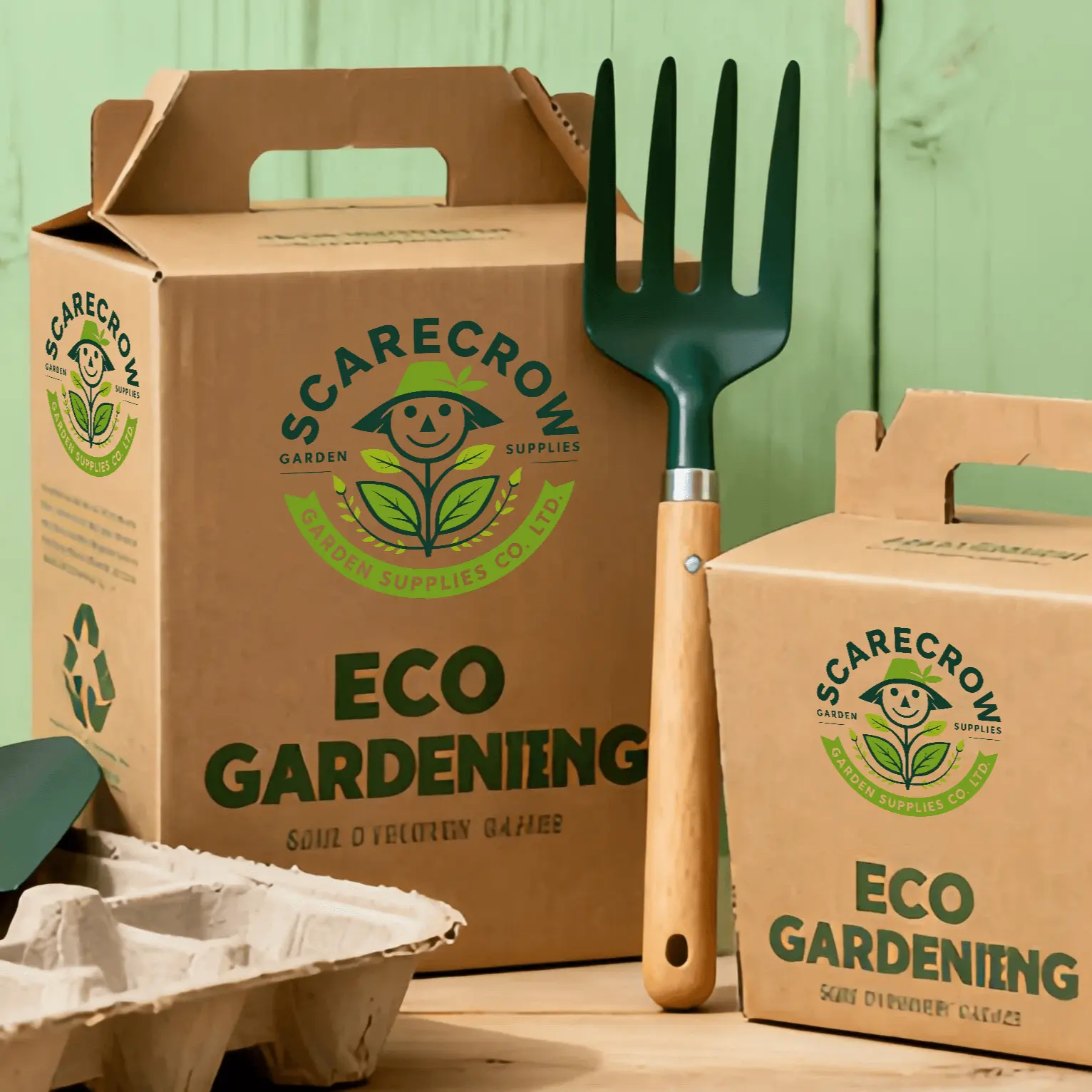


Material comparison for metal raised garden beds, including galvanized steel and Zn-Al-Mg steel
A wholesale buyer building a raised garden bed range may compare wood, galvanized steel, Zn-Al-Mg steel, plastic/resin and fabric options. These materials serve different channels, price positions, packing methods and customer expectations, so the purchasing decision should start with the target market rather than a single unit-price comparison.
Because they are not the same product. They are not serving the same customer. They are not built for the same use case. And they generate completely different after-sales profiles.
Choosing a raised garden bed material is not about finding the “best” option. It is about matching the material to your market, your channel, and the customer experience you want to deliver. This article compares the five most common raised garden bed materials from a wholesale buyer’s perspective — and helps you decide which one fits your business.
Wooden Raised Beds: Natural Appeal, Maintenance Reality
Wooden raised beds have been the default choice for home gardeners for decades. They offer a warmth and natural aesthetic that no other material can fully replicate. But from a B2B sourcing perspective, wood comes with a specific set of trade-offs.
What works: Cedar and redwood naturally resist rot and insects, making them premium wood choices that can last 10+ years with proper maintenance. The natural look appeals to traditional gardeners, landscape designers, and customers who want their raised bed to blend into the garden rather than stand out. Wood is also easy to cut and customize on-site, which DIY customers appreciate.
What does not work: Standard pine or fir beds typically last 3-5 years before rotting, warping, or attracting pests. Wood absorbs moisture from soil contact, which creates a damp environment that can attract slugs, snails, and in some regions, termites. Pressure-treated wood (historically CCA, now ACQ or copper azole) addresses the rot issue but introduces a different concern: chemical compounds may leach into the soil over time, which is why many gardeners avoid treated wood for food crops.
Logistics and packaging: Wood is heavy. A cedar raised bed kit can weigh 40-60 lbs, compared to 20-30 lbs for a comparable metal bed. Wood dimensions also vary more than steel — natural wood has knots, grain variations, and moisture content differences that affect consistency. Flat-pack wood kits are possible but less efficient than metal flat-packs because wood panels are thicker.
Best market fit: Traditional garden centers, DIY-focused retailers, landscape supply yards, and customers who prioritize natural aesthetics over low maintenance. Wood is not a good fit for e-commerce sellers who want to minimize shipping weight and after-sales inquiries.
Risk reminder: If you source wooden raised beds, pay attention to the wood species and treatment. “Cedar” on a product listing may refer to Chinese cedar (a different species from North American cedar) with different durability characteristics. Confirm the actual species and treatment with your supplier before committing.
If wood is still one of your target options, you should also understand why wooden raised garden beds may attract pests, moisture, and maintenance problems before confirming your product range.
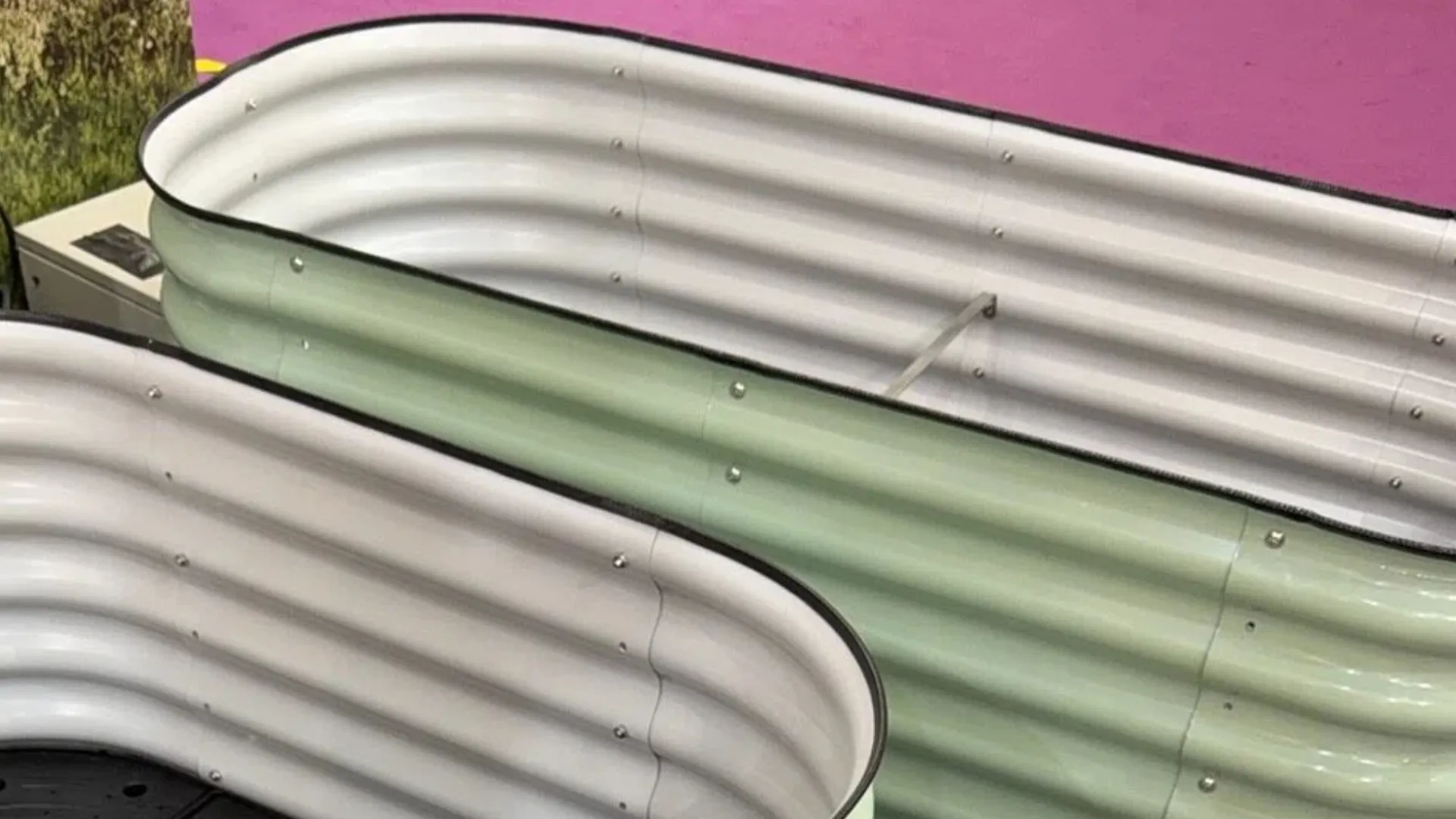
Metal Raised Beds: Standardized, Low Maintenance, Export-Friendly
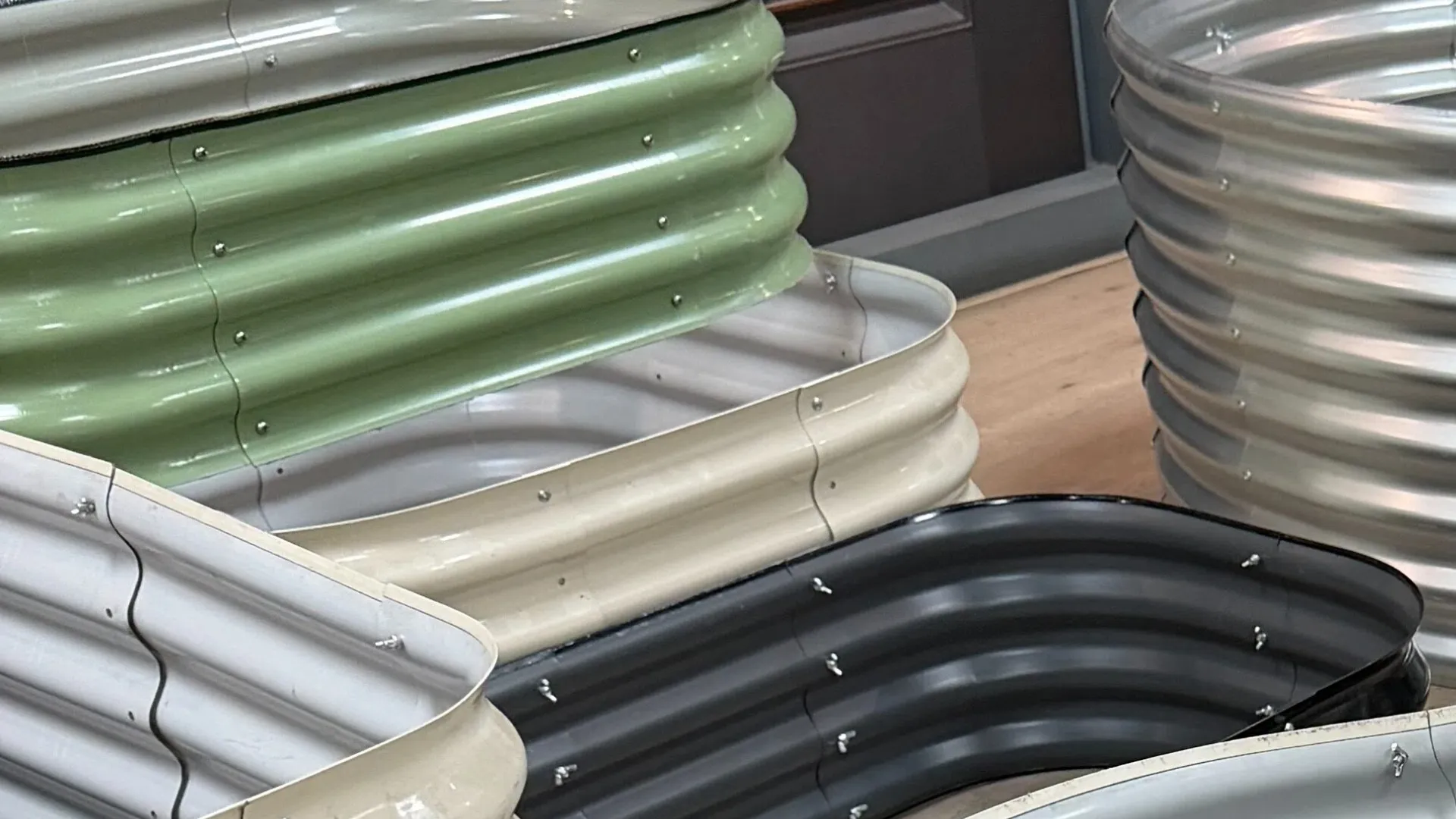
Metal raised beds — primarily galvanized steel and Al-Zn-Mg coated steel — have grown rapidly as an alternative to wood. They solve several of wood’s problems while introducing their own considerations.
What works: Metal beds are standardized — every panel is the same thickness, same coating, same hole pattern. This makes quality control more predictable than wood. They flat-pack efficiently, which reduces shipping volume. They do not absorb moisture, do not rot, and do not attract wood-boring pests. And metal is the only material that supports true modular design — one set of panels, multiple configurations. Wood cannot do this without cutting on-site; plastic cannot do this without separate molds for each shape. This is why metal beds dominate the e-commerce channel: one SKU, multiple shapes, efficient shipping, and consistent quality.
What does not work: Metal beds are DIY assembly products — the customer bolts panels together with screws and nuts. If the hardware is of poor quality or the instructions are unclear, the assembly experience becomes a review liability. Metal also conducts heat, which means the soil near the panels can warm up faster in direct sunlight. Premium brands address this with Al-Zn-Mg coatings that have better heat reflectivity, but budget galvanized steel beds do not have this advantage.
Two tiers within metal:
- Galvanized steel (0.4-0.6mm): The budget-to-mid option. Cost-effective and widely available, but the zinc coating can degrade in acidic soil over time, and bolt holes are typically where rust begins.
- Al-Zn-Mg coated steel (0.6mm): The premium option. The magnesium in the coating forms a protective film at cut edges (like bolt holes), which addresses the rust-at-bolt-holes problem. Higher cost, but supports premium retail positioning.
Logistics and packaging: Metal beds flat-pack efficiently — a 6-in-1 kit can fit in a box approximately 40x24x6 inches. Shipping weight is moderate (20-35 lbs for most configurations). The main packaging risk is panel scratching and hardware scattering, which requires proper internal protection.
Best market fit: E-commerce, garden centers, brand websites, and any channel where standardized products, efficient shipping, and low maintenance are priorities. Metal is the most export-friendly material because it flat-packs well and has consistent quality control.
For buyers comparing natural appearance with export efficiency, our detailed comparison of wood vs metal raised garden beds can help clarify the trade-offs.
For our metal range, we can share a real 0.4mm vs 0.6mm comparison video showing panel thickness, corrugation, hardware and edge treatment. Use the broader material comparison in this article for market positioning only.
Plastic and Resin Raised Beds: Lightweight, Affordable, UV-Sensitive
Plastic and resin raised beds occupy the entry-level to mid-range market. They are light, cheap to produce, and available in many colors and shapes — but their outdoor durability is the key question.
What works: Plastic beds are extremely lightweight — a 4x2ft resin bed might weigh approximately 8-12 lbs empty, compared to an estimated 25+ lbs for a metal raised garden bed of similar size. They are easy to assemble (often snap-together with no tools), never rust, and are available in colors that mimic wood grain or stone textures. For budget-conscious customers and small-space gardeners, plastic is an accessible entry point.
What does not work: UV exposure is the enemy of plastic raised beds. Standard PP (polypropylene) or PE (polyethylene) resin degrades under prolonged sunlight — colors fade, surfaces become brittle, and long-term UV exposure can cause fading, brittleness or cracking depending on resin formulation, UV stabilizers, wall thickness, climate and exposure. The structural integrity of plastic beds under soil pressure is also a concern: thin-walled plastic beds can bow outward or even crack at the connection points when filled with wet soil. Higher-density resin and UV-stabilized formulations improve durability, but they also increase cost — at which point the price advantage over metal narrows.
Logistics and packaging: Plastic beds are light but bulky — they do not flat-pack as efficiently as metal because the panels are molded, not folded. Shipping volume per unit is higher than that of metal. However, the low weight keeps freight costs manageable.
Best market fit: Budget retail, big-box seasonal promotions, apartment gardening, and markets where low price and easy assembly matter more than long-term durability. Plastic is not a good fit for premium positioning or for customers who expect 5+ years of outdoor use.
If you are weighing plastic versus metal for a budget product line, request our latest model list and quotation sheet — it covers plastic, galvanized steel, and Al-Zn-Mg options with material specs, weight, packaging details, and pricing so you can compare total cost of ownership across materials.
Fabric Grow Bags: Cheapest Entry, Shortest Life
Fabric grow bags (typically felt or non-woven polypropylene) are the lowest-cost option in the raised bed category. They serve a specific purpose — and it is important to understand what that purpose is.
What works: Fabric bags are incredibly cheap — typically $0.38-$3.97 per bag at wholesale. They are breathable, which promotes root health through air pruning. They are lightweight, foldable, and essentially free to ship. For seasonal growing, trial gardens, or customers who want to try raised bed gardening with minimal investment, fabric bags work.
What does not work: Fabric bags have almost no structural rigidity — filled with soil, they sag and bulge into irregular shapes. They are not aesthetically suitable for retail display or premium garden settings. Their lifespan is typically 1-2 growing seasons before the fabric degrades. They are not a replacement for a rigid raised bed — they are a different product category that happens to serve a similar function.
Logistics and packaging: Fabric bags ship flat or folded and are extremely space-efficient. A pallet of fabric bags contains many more units than a pallet of metal or plastic beds.
Best market fit: Entry-level gardening, seasonal promotions, community garden programs on tight budgets, and as add-on products in a broader garden product line. Fabric bags are not a standalone product line — they are a complement to rigid beds, not a substitute.
Corten Steel, Concrete, and Stone: Premium Landscape Materials
The materials above cover the volume B2B market. But there is another tier — materials that serve a completely different customer, at a completely different price point.
At the top end of the market, three materials serve landscape architects and high-end residential projects. These are not volume B2B products, but understanding them completes the material landscape.
Corten steel forms a self-protecting rust patina that gives it a distinctive orange-brown appearance. It is extremely durable (20+ years) and requires no coating. The downside: initial rust runoff can stain surrounding surfaces (concrete, stone, decking) for the first few months. Corten is also significantly more expensive than galvanized or Al-Zn-Mg steel. Best fit: high-end landscape projects where the rust aesthetic is intentional.
Concrete and stone beds are permanent installations — extremely heavy, extremely durable, and extremely expensive to ship. They are typically sourced locally rather than imported. Best fit: commercial landscaping, public spaces, and luxury residential projects where permanence is the priority.
These materials are mentioned here for completeness. For most wholesale buyers reading this article, the practical decision is between wood, metal, plastic, and fabric — not corten or concrete.
How to Choose by Sales Channel
Different sales channels favor different materials. Here is a practical matching guide:
| Sales Channel | Best-Fit Material | Why | Watch Outs |
| Amazon/e-commerce | Metal (galvanized or Al-Zn-Mg), fabric bags | Flat-pack shipping, standardized quality, review-friendly | Metal: hardware completeness; Fabric: set expectations on lifespan |
| Garden centers | Metal (Al-Zn-Mg), wood (cedar) | Visual appeal, display quality, brand storytelling | Wood: weight and species confirmation; Metal: color range |
| Big-box retail | Plastic/resin, budget metal | Price point, seasonal rotation, easy assembly | Plastic: UV degradation expectations; Metal: thin-gauge review risk |
| Brand websites | Metal (Al-Zn-Mg premium) | Material story, content education, premium positioning | Must deliver on every promise — packaging, hardware, instructions |
| Discount platforms | Fabric bags, budget metal 2-Packs | Volume, price aggression, impulse purchase | Returns and complaints are part of the model — factor in after-sales cost |
| Greenhouse/market garden | Metal (galvanized, rectangular) | Standardized sizing, row efficiency, and durability | Tall beds must be narrow enough to reach across |
| Landscape projects | Wood (cedar/redwood), corten steel | Natural aesthetic, custom sizing, premium finish | Wood: maintenance requirements; Corten: rust runoff and cost |
After choosing the right material for your market, the next step is to check which competitors to reference before pricing metal raised garden beds so your product line fits the right price segment.
Material Selection Checklist: 6 Questions Before You Commit
- Does the material match your target retail positioning and sales channel? Compare current local retail references using similar size, height and specification; do not rely on a fixed global price range.
- Does the material survive your customers’ climate? (UV for plastic, moisture for wood, soil acidity for galvanized steel)
- Does the material ship efficiently for your channel? (Metal flat-packs best; plastic is bulky but light; wood is heavy)
- Does the material generate the review profile you want? (Metal: assembly complaints; Plastic: durability complaints; Wood: maintenance complaints)
- Have you ordered samples of each material you are considering and tested them side by side? (For metal beds, fill the sample with soil and check for panel bowing after 48 hours. For plastic, leave it in direct sunlight for a week and check for color change or surface brittleness.)
- Have you calculated the total landed cost — including packaging, freight, duties, and estimated after-sales cost — not just the unit price?
Next Step: Choose Your Material Direction
Every raised garden bed material has a market. Wood serves the traditional gardener who values natural aesthetics. Metal serves the modern buyer who wants low maintenance and standardized quality. Plastic serves the budget-conscious customer who wants easy assembly. Fabric serves the seasonal grower who wants to try without a big investment. Corten and concrete serve the landscape architect who wants permanence.
The mistake is not choosing the wrong material. The mistake is choosing a material that does not match your market — and then being surprised when the reviews, returns, and customer feedback do not match your expectations.
If you need help choosing a practical product direction based on your market, price level, and shipping plan, request a sample set — we can send wood, galvanized steel, and Al-Zn-Mg coated steel panels so you can compare weight, finish, and material quality side by side in person before committing to a product direction.
You focus on selling. Scarecrow Garden Supplier can help you source, verify, organize, and ship.
Need Help Before Bulk Ordering?
Get the Key Sourcing Details Before You Decide
Ask us for available models, quotation sheet, material comparison video, or sample support for your garden product sourcing plan.
Send Your Requirement, We Help You Check the Right Option
Suitable for garden centers, wholesalers, importers, and e-commerce sellers who want to compare products before bulk purchasing.
Written by
ScarecrowGarden
💡About Scarecrow Garden Supplier Co., Ltd.
Scarecrow Garden Supplier Co., Ltd. is a China-based sourcing and wholesale partner specializing in garden tools, landscaping equipment, and outdoor supplies for international wholesalers, distributors, contractors, and brands.
With hands-on experience rooted in real garden use scenarios, we focus on durable materials, functional design, and stable large-volume supply. Our product range covers pruning tools, watering systems, hand tools, outdoor hardware, and customized garden solutions to support both retail and professional landscaping markets.
Beyond products, we help our partners navigate supplier selection, quality control, compliance requirements, and long-term sourcing strategies in China. Through our blog, we share practical insights on product selection, material comparisons, industry trends, and cost-effective purchasing—helping global buyers build stronger, more competitive supply chains.