







Wooden and metal raised garden beds compared in outdoor garden settings
A home gardener posts a video online. She lifts her wooden raised bed — a cedar kit she bought 18 months ago — and the underside is crawling. Slugs, pillbugs, and something dark and wet that might be mold. The comments section fills up fast: “Mine does the same thing.” “I switched to metal and the problem disappeared.” “Is this normal?”
It is normal. Not inevitable, but normal enough that garden extension programs across multiple universities address it in their pest management guides. Wooden raised beds are popular, natural, and beautiful on day one. But in long-term outdoor use — especially in humid climates or poorly drained gardens — they create conditions that can favor moisture retention, pest activity, and maintenance challenges that metal beds do not.
This article is not an argument against wood. It is a practical explanation of why these issues happen, what they mean for customer reviews, and what wholesale buyers should consider when choosing between wood and metal for their product line.
Why Moisture Is the Root Issue
Wood absorbs water. This is fundamental to understanding every other problem in this article.
When a wooden raised bed is filled with soil and placed outdoors, the bottom boards and interior surfaces are in constant contact with damp growing medium. Rain, irrigation, and natural soil moisture all contribute. Unlike metal or plastic, wood is porous — it draws moisture in and holds it. Over time, the wood fibers in soil-contact zones become saturated, soften, and create a microenvironment that is dark, damp, and sheltered.
This microenvironment is not a problem in itself. It becomes a problem because it is exactly the kind of environment that certain garden pests actively seek out.
What this means for B2B buyers: Moisture retention is a material property, not a manufacturing defect. You cannot “fix” it with better quality wood — even premium cedar absorbs moisture, just more slowly than pine. The question is whether your customers understand this property before they buy, or whether they discover it through a negative experience 12-24 months later.
If you are comparing materials for your market, use this article as a risk checklist. Our current wholesale metal raised garden bed range focuses on 0.6mm Zn-Al-Mg steel with 304 stainless steel hardware.
Why Slugs and Snails May Appear
Slugs and snails are moisture-seeking creatures. They are active at night and during damp conditions, and they shelter during the day in dark, humid hiding spots.
Here is the key detail: university extension programs — including Oregon State University Extension and UC Integrated Pest Management — specifically recommend using boards, flat objects, and damp materials as slug trapping stations. In other words, the same pest management experts who help gardeners control slugs also recognize that damp wooden boards are highly attractive to them.
This does not mean every wooden raised bed will have a slug problem. Garden conditions vary widely — a wooden bed in a dry, well-ventilated garden in Arizona may never see a slug. But a wooden bed in a humid garden in the Pacific Northwest, the U.K., or coastal Australia is in an environment where slugs are already present, and the damp wood provides an ideal daytime shelter.
What this means for B2B buyers: If your market includes humid or temperate regions where slugs and snails are common garden pests, wooden raised beds carry a higher risk of generating pest-related complaints. These complaints typically surface in the second year of use — after the wood has had time to absorb moisture and soften — which means they appear in reviews long after the purchase decision was made.
If your target market has high moisture or pest pressure, send us the region and sales channel. We can help you check whether our current 0.6mm Zn-Al-Mg metal raised garden bed range fits the application and packaging requirements.
Why Termites May Become a Concern
Termite risk is region-specific, but in termite-active areas it is a serious consideration.
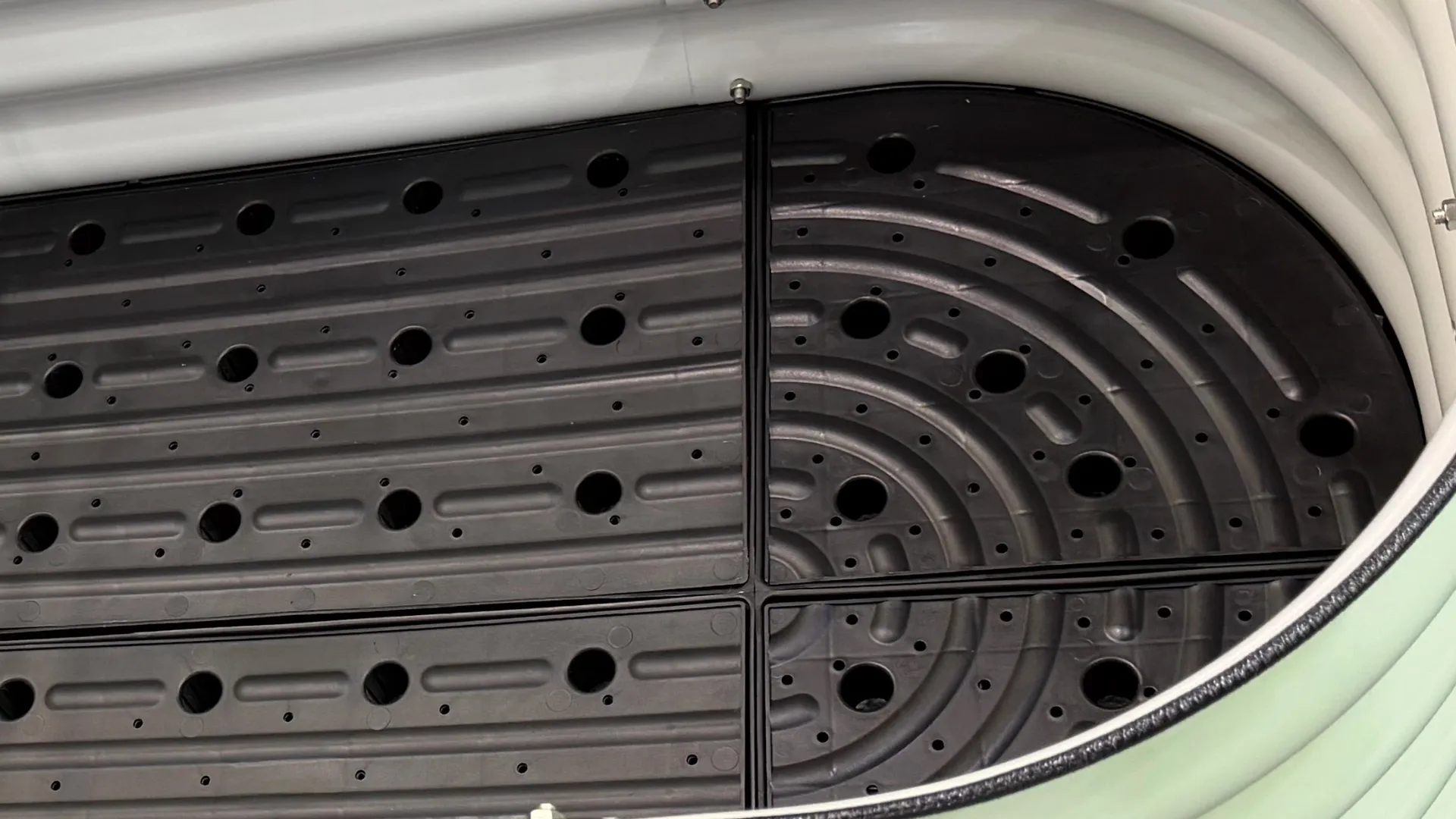
In the southern United States, Australia, and parts of the Mediterranean, termites are an established part of the ecosystem. Untreated wood in direct ground contact — which is exactly what a wooden raised bed is — can attract termites in these regions. LSU AgCenter and other extension programs have addressed termite presence in raised bed gardens as a real, if localized, concern.
Wood treatment systems vary by species, preservative and market. Buyers should confirm the actual wood species, treatment method and destination-market requirements rather than make general “food safe” or “unsafe” claims from the material name alone.
What this means for B2B buyers: If you sell to markets in termite-active regions, wooden raised beds carry a risk that metal beds do not. Metal is not susceptible to termite damage — termites do not consume steel. This is not a marketing claim; it is a material fact. For customers in these regions, this single factor may be enough to tip the decision toward metal.
What Customer Reviews Reveal
Use the following risk areas as a sourcing checklist. Do not publish unsupported percentages as if they represent the entire market.
| Issue | When It Appears | Typical Review Language | Material |
| Slugs under the bed | Year 2, spring/summer | “Lifted the bed and found slugs underneath” | Wood |
| Softening bottom boards | Year 2-3 | “The bottom is getting spongy” | Wood (pine/fir) |
| Warping or cracking | Year 1-2 | “The boards warped after one winter” | Wood (all species) |
| Mold or fungus on surface | Year 1, humid climates | “Black spots on the wood” | Wood |
| Termite damage | Year 2-3, termite regions | “Termites got into the bed” | Wood (untreated) |
| Rust at bolt holes | Year 2-3 | “Screws are rusting” | Metal (galvanized) |
| Panel bowing | Year 1, thin steel | “Sides bulging under soil weight” | Metal (0.4mm) |
| Hardware corrosion | Year 1-2 | “Bolts corroded after one winter” | Metal (budget hardware) |
Two observations from this table:
- Wood issues are biological — they involve living organisms (pests, fungus) responding to the material’s properties. These issues tend to worsen over time and are difficult to reverse without replacing the affected wood.
- Metal issues are mechanical — they involve corrosion or structural stress at specific points (bolt holes, thin panels). These issues are more predictable and can be mitigated through material specification (Al-Zn-Mg coating, 0.6mm thickness, 304 stainless hardware).
For wholesale buyers, this means metal bed issues are largely preventable at the sourcing stage — you specify the right material, thickness, and hardware, and most review risks are addressed. Wood bed issues are inherent to the material and are difficult to fully engineer away.
Risk reminder: The reviews in the table above are permanent. They shape future customers’ purchase decisions for years. A single “slugs under the bed” review with photos can deter dozens of potential buyers — and there is no way to respond to a review that changes the material properties of the product.
We also have a real 0.4mm vs 0.6mm metal raised garden bed comparison video showing panel thickness, corrugation, hardware and edge treatment side by side. Contact us if you want the video before sample ordering.
How Metal Raised Beds Reduce These Concerns
Metal raised beds are not immune to all garden problems — soil drainage, plant health, and general garden management still matter. But they address the specific issues that make wooden beds high-maintenance:
If your customers like the appearance of wood but worry about moisture, pests, and maintenance, you may want to compare wood vs metal raised garden beds from both visual and performance perspectives.
Moisture: Metal does not absorb water. The panels do not soften, do not create damp hiding spots, and do not change structure when wet. After rain, a metal bed dries on its surface; a wooden bed holds moisture in its fibers.
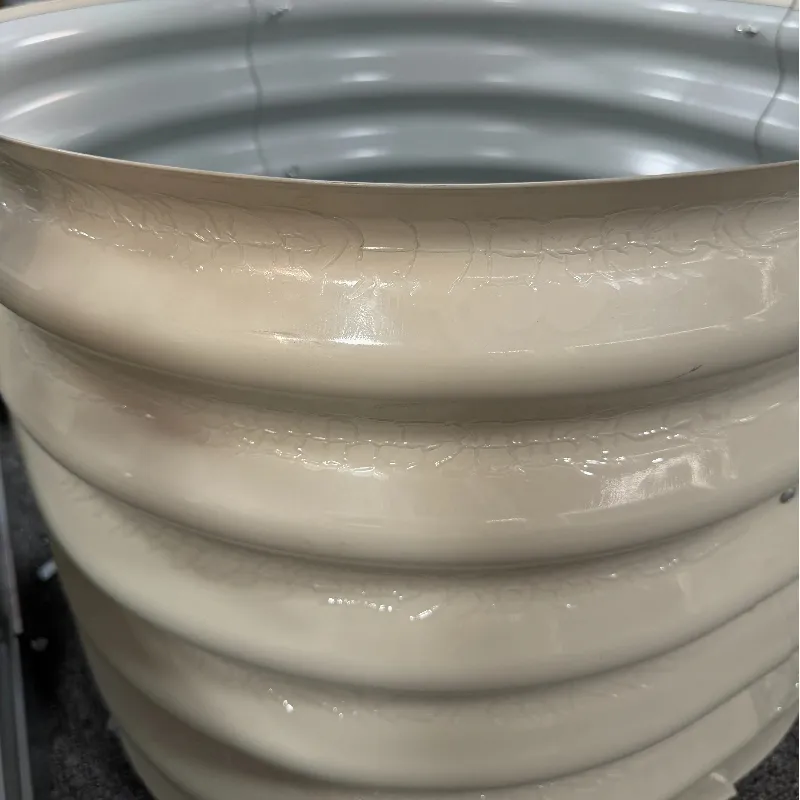
Pests: Metal surfaces do not provide food or shelter for slugs, snails, or termites. Slugs may still be present in the garden — metal does not fully remove them — but the bed itself is not contributing to the problem the way damp wood can.
Maintenance: Metal beds do not need sealing, staining, or board replacement. The main maintenance task is checking bolt holes for corrosion — Zn-Al-Mg coatings can provide additional cut-edge corrosion protection; actual performance depends on the coating specification and exposure conditions. A metal bed that is properly specified (0.6mm, Al-Zn-Mg coating, 304 stainless hardware) can function for years with minimal attention.
Longevity: Wood and metal service life varies widely by material grade, treatment, climate, drainage, installation and maintenance. Avoid fixed lifespan claims unless they are supported by a specific supplier specification or test. The exact lifespan depends on climate, soil conditions, and material specification — but the material does not degrade the way wood does.
Material Risk Comparison: Wood vs Metal
| Risk Factor | Wood (Pine) | Wood (Cedar) | Metal (Galvanized) | Metal (Al-Zn-Mg) |
| Moisture absorption | High | Moderate | Not applicable | Not applicable |
| Slug/snail shelter | High | Moderate | Low | Low |
| Termite risk (active regions) | High | Moderate | Not applicable | Not applicable |
| Mold/fungus on surface | Possible | Possible | Not typical | Not typical |
| Board/panel replacement needed | Yes (Depends on species/treatment / Depends on coating, hardware and environment) | Possibly (Depends on species/treatment / Depends on coating, hardware and environment) | No (if specified correctly) | No (if specified correctly) |
| Maintenance required | Sealing, staining, board replacement | Periodic sealing | Bolt hole inspection | Minimal |
| Review risk profile | High (pest/moisture) | Moderate | Low (if 0.6mm + good hardware) | Lowest |
For a wider material comparison beyond wood and metal, see our guide to wood, metal, plastic, or fabric raised garden beds and choose based on your sales channel and customer expectations.
Next Step: Evaluate Your Material Risk Profile
Wooden raised beds are not bad products. They serve a market that values natural aesthetics and is willing to accept the maintenance that comes with it. But for wholesale buyers who want to minimize after-sales risk — pest complaints, moisture damage, board replacement inquiries — metal raised beds offer a materially different risk profile.
The decision should be based on your market, your climate, and your customer service capacity. If you sell to humid regions where slugs are active, metal reduces a specific category of risk. If you sell to termite-active regions, metal effectively removes this specific risk. If your customer service team cannot handle a steady stream of maintenance inquiries, metal reduces that burden.
If your customers are concerned about pests, moisture, and long-term maintenance, If you are evaluating our metal raised garden bed range, request a 0.6mm Zn-Al-Mg sample and quotation. We also keep comparison samples and can share our 0.4mm vs 0.6mm material comparison video. So you can compare the material, surface, and weight differences in person and choose the material that carries the lowest after-sales risk for your market.
You focus on selling. Scarecrow Garden Supplier can help you source, verify, organize, and ship.
Make Your Sourcing Decision Easier
Not sure which model, material, or sample option fits your market? Send us your requirement list and we will help you check practical options.
Send Your Requirement, We Help You Check the Right Option
Suitable for garden centers, wholesalers, importers, and e-commerce sellers who want to compare products before bulk purchasing.

Written by
ScarecrowGarden
💡About Scarecrow Garden Supplier Co., Ltd.
Scarecrow Garden Supplier Co., Ltd. is a China-based sourcing and wholesale partner specializing in garden tools, landscaping equipment, and outdoor supplies for international wholesalers, distributors, contractors, and brands.
With hands-on experience rooted in real garden use scenarios, we focus on durable materials, functional design, and stable large-volume supply. Our product range covers pruning tools, watering systems, hand tools, outdoor hardware, and customized garden solutions to support both retail and professional landscaping markets.
Beyond products, we help our partners navigate supplier selection, quality control, compliance requirements, and long-term sourcing strategies in China. Through our blog, we share practical insights on product selection, material comparisons, industry trends, and cost-effective purchasing—helping global buyers build stronger, more competitive supply chains.