








Metal raised garden beds used for outdoor vegetable and flower growing
A wholesale buyer sits down to set a retail price for a new metal raised garden bed line. They open Amazon, search “galvanized raised garden bed,” and see prices ranging from $29.99 to $249. They open a brand website and see a $199 bed with a 20-year corrosion resistance story. They open a discount platform and see a 2-Pack at $59.99.
Three tabs. Three price points. Three completely different products.Price references in this article are market snapshots. Retail prices, promotions and product specifications can change, so buyers should recheck the exact model before using it as a pricing benchmark.
This is the most common pricing research mistake in the metal raised garden bed category: comparing products across different tiers without understanding what separates them. A $59 bed and a $199 bed are not in the same market. They are not built from the same material. They do not serve the same customer. And they should never be used as pricing references for each other.
This article is a practical guide to which competitors you should reference — and which you should not — before setting your price.
Premium Brands to Reference: What $150-$370+ Buys
If you are building a premium product line — 0.6mm Al-Zn-Mg coated steel, modular configurations, multiple colors, retail-grade packaging — these are the brands worth studying. Not to copy, but to understand what the premium tier looks like and how it justifies its price.
Vego Garden. The most visible premium brand in North America. Their Classic 17“ models range from approximately $150-$250+ according to brand product pages. They built their position on material education — Aluzinc steel, cut-edge self-healing, corrosion resistance — supported by a deep accessory ecosystem (magnetic lights, insect nets, trellis arches) and 8+ color options. They also received a 2024 iF Design Award for their planter series. Worth referencing for: material storytelling, color range, accessory ecosystem.
Birdies Garden Products. Credited with introducing the modular metal raised bed concept in Australia in 2007. Available at Bunnings with small configurations starting around 95 AUD ($62 USD) and tall configurations at 320 AUD ($210 USD). Their deep corrugation pattern and safety edge trim are industry reference points. Worth referencing for: structural design, safety features, brand heritage narrative.
Vegega. A direct premium competitor with a sharp differentiation strategy. Their 17“ standard models run $95-$167 (clearance pricing by U.S. region), and 32” tall models reach $200-$370+. They specifically addressed competitor pain points: single-sided protective film (instead of double-sided), fewer bolt holes, and RoHS-compliant surface treatment. Worth referencing for: competitive differentiation tactics, regional clearance strategy.
Sproutbox Garden. A frequent benchmark for B2B buyers, with standard models around $150-$300+ (based on market references). Their Aluzinc steel base, modular 9-in-1 design, and child-safe positioning make them a useful reference for the mid-to-premium bridge. Worth referencing for: modular design, safety positioning.
Raised Garden Beds Canada. A Canadian-made option using an estimated 0.8-1.0mm thick steel alloy with a corner-post and panel-insert design (different from the corrugated bolt-together approach). Estimated $200+ pricing reflects local manufacturing and cold-climate positioning. Worth referencing for: thick-gauge alternative design, local manufacturing narrative.
What to learn from premium brands: How they build value perception through material education, safety features, color curation, modular design, and content. What not to do: assume you can match their price by sourcing a similar-looking product. The price is supported by the entire system, not just the steel.
If you want to understand why premium products often use thicker sheet metal and upgraded coating systems, you can also read our guide on why premium metal raised garden bed brands use 0.6mm Aluzinc or Zn-Al-Mg steel.
Building a premium raised bed line? Scarecrow currently focuses on 0.6mm Zn-Al-Mg metal raised garden beds, with multiple heights, modular configurations, colors and OEM packaging options. Samples are available before bulk ordering.
Now you know what premium looks like. Here is what the other end of the market looks like — and why it is a different game entirely.
Budget Channels to Reference: What $34-$80 Buys
If your market is volume-driven — Amazon, Walmart, Wayfair, discount retail — you need to understand what the budget tier looks like from the inside. These are not brands in the traditional sense. They are channel-driven products optimized for price, and their pricing logic is completely different from premium brands.
Garvee. A common name on Amazon and discount platforms. Their galvanized steel 2-Pack bundles typically range from $29.99-$69.99. The product is defined by what it leaves out: thinner steel (0.4mm galvanized, with some budget options as thin as 0.3mm), basic hardware, brown carton packaging, and limited colors. Worth referencing for: aggressive pricing structure, 2-Pack bundle strategy.
Land Guard. Another Amazon-budget regular, often appearing alongside Garvee in search results. Similar specification profile: galvanized steel, standard shapes, basic accessories. Worth referencing for: search ranking strategy, review profile patterns.
Outsunny / Aosom. Multi-category outdoor furniture and garden brands that include raised beds in their seasonal catalogs. Their pricing tends to sit at the upper end of budget or the lower end of mid-market. Worth referencing for: cross-category merchandising, seasonal product rotation.
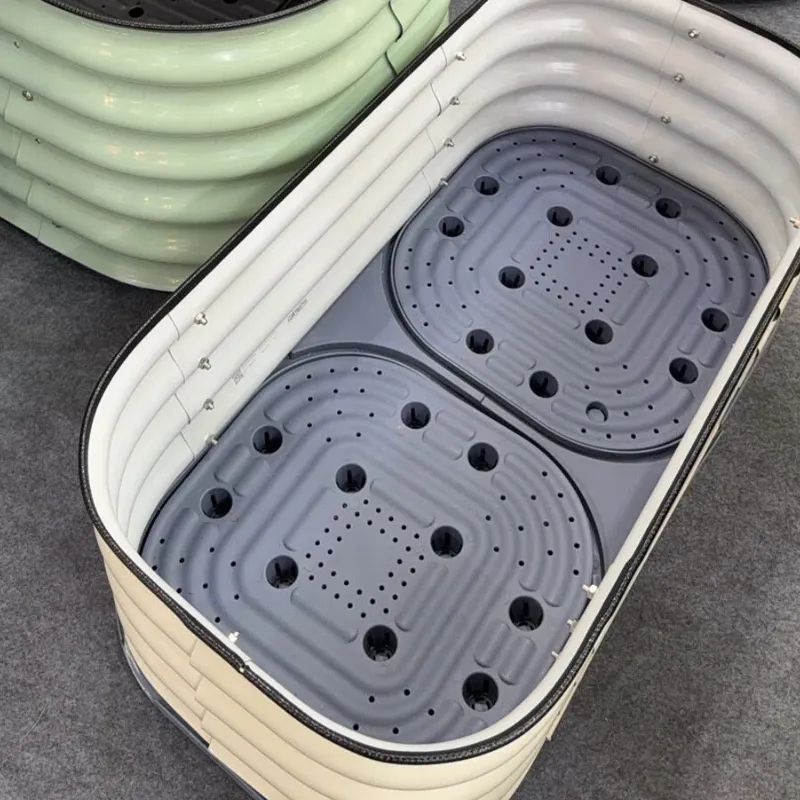
vidaXL. A European-focused multi-category retailer with raised beds in its garden section. Worth referencing for: European budget market positioning, multi-category shipping strategy.
Unbranded and private-label sellers. The long tail of Amazon, Walmart, and Wayfair listings. These sellers come and go, but their pricing patterns are consistent: $34-$80 for single units, $59-$99 for 2-Packs, and aggressive discounting during the spring season. Worth referencing for: price floor monitoring, reviewing complaint patterns.
What to learn from budget channels: How to hit a price point, how to structure multi-pack bundles, and what review complaints look like when material quality is pushed to its limit (rust at bolt holes, bowing panels, corroding hardware). What not to do: use budget pricing as a reference for a mid-range or premium product. The cost structures are not comparable.
Local Retail References: What the Shelf Tells You
Online research tells you the price and specification. Local retail tells you packaging, display, and customer interaction. If you sell to garden centers, hardware chains, or trade shows, you need to know what the shelf looks like.
Big-box retail (Home Depot, Lowe’s, Bunnings). Their garden sections carry raised beds during the spring season. Bunnings in Australia is particularly worth studying — it is the retail home of Birdies, and their in-store display is a reference for how to present a premium raised bed: clear sizing, configuration options, and brand storytelling on the shelf. Pay attention to box design, shelf placement, and what information is printed on the packaging. These retailers set expectations for what a “normal” raised bed looks like in a physical store.
Trade show floors. If you attend garden trade shows (Spoga+gafa, Glee, National Hardware Show), the products on display represent what brands think will sell in the coming season. Walk the floor and note: which materials are featured, which colors are trending, which configurations are being demoed, and how sales teams explain product differences to buyers in person. This is intelligence you cannot get from a screenshot.
How to Record Competitor Data: Build Your Own Reference Sheet
The problem with browsing competitor products is that you see a lot but remember little. A structured reference sheet turns casual browsing into actionable intelligence. Here is what to record for each competitor product:
| Data Point | Why It Matters | Where to Find It |
| Brand name | Identifies the competitive tier | Product page, packaging |
| Retail price | Sets the price ceiling for that tier | Brand site, Amazon, retail sites |
| Sale/discount price | Reveals pricing flexibility and seasonality | Amazon, Wayfair, promotional pages |
| Size (length x width x height) | Standardizes price comparison | Product specifications |
| Material | Determines cost tier (galvanized vs Al-Zn-Mg) | Product description, brand material guides |
| Thickness | Affects both cost and perceived quality | Product description (if disclosed) — but order a sample and measure with a caliper, as actual thickness sometimes differs from claimed thickness |
| Color options | More colors = more coil SKUs and higher MOQ | Product page color selector |
| Shape | Affects panel count and packaging size | Product images |
| Modular configurations | More configurations = higher perceived value | Product description |
| Hardware grade | 304 stainless vs basic hardware affects review profile | Product description, reviews |
| Safety features | Edge trim, rounded caps expected at the premium tier | Product images, description |
| Packaging type | Brown carton vs printed retail box affects cost | Reviews (unboxing photos), product images |
| With base/wheels | Adds cost and changes target customer | Product description |
| Key review complaints | Reveals what to fix at the sourcing stage | Amazon reviews, blogger reviews |
| Key review praises | Reveals what customers actually value | Amazon reviews, blogger reviews |
This is not a one-time exercise. Prices change, products get discontinued, and new brands enter the market. Update your reference sheet at least once per season — ideally before placing each bulk order.
Risk reminder: Competitor research is for understanding the market, not for copying. Recording a competitor’s material, thickness, and price is smart sourcing. Copying their product design, brand language, or proprietary configuration is a legal risk. More on this below.
When comparing competitor products, record the exact thickness, coating, hardware, height, configuration and packaging for each model. Similar-looking raised beds can belong to very different price tiers once these specifications are compared side by side.
How to Match Tiers: Stop Comparing Apples to Oranges
The single most common pricing error in this category is cross-tier comparison. Here is how to match your product to the right competitive tier:
| Your Product Specification | Competitive Tier to Reference | What to Compare |
| 0.4mm galvanized steel, basic hardware, brown carton | Budget (Garvee, Land Guard, Amazon unbranded) | Price floor, 2-Pack structure, review complaint patterns |
| 0.6mm galvanized steel, 304 hardware, some colors | Mid-market (KING BIRD, Birdies small configs, Vegega clearance) | Price positioning, feature differentiation, and packaging quality |
| 0.6mm Al-Zn-Mg coated steel, modular kits, color range, retail packaging | Premium (Vego, Sproutbox, Vegega standard, Birdies tall) | Material story, color range, accessory ecosystem, and content quality |
If your product is budget, do not reference premium pricing. You will set an unrealistic price ceiling, and your customers will expect premium quality that your product cannot deliver. The result: negative reviews, returns, and a damaged brand before you even get started.
If your product is premium, do not reference budget pricing. You will underprice your product, leave margin on the table, and signal to the market that your product is not as good as it actually is. Premium products need premium pricing — and the confidence to hold it.
Before you set your final price range, it is also useful to compare which raised garden bed material fits your market, because wood, metal, plastic, and fabric beds usually compete in different customer segments.
If your product is mid-market, reference both — but carefully. Mid-market is the hardest tier to price because you are squeezed between budget brands that will always undercut you and premium brands that will always outperform you on material story. Your price needs to be close enough to budget to feel accessible, but high enough to signal quality. The reference points that matter most here are: what does the mid-market customer get for the extra $30-$50 over budget? And what does the premium customer get for the extra $50-$100 over mid-market?
Pre-Pricing Checklist: 7 Questions Before You Set Your Number
- Have I identified my product’s correct competitive tier (budget / mid / premium)?
- Have I recorded at least 3 competitor products in the same tier with full specifications?
- Have I compared prices at the same height and similar size (not just “a raised bed”)?
- Have I checked whether competitor prices are regular or promotional/clearance?
- Have I reviewed the top 10 negative reviews for each competitor to identify what to fix?
- Have I factored in packaging, hardware, and logistics costs — not just steel cost?
- Have I confirmed that my material specification actually matches the tier I am pricing for?
How to Learn From Competitors Without Crossing Legal Lines
Competitor research is essential. But there is a line between learning from the market and infringing on someone’s intellectual property. In the metal raised garden bed category, that line has already been tested.
In 2024, the U.S. International Trade Commission issued its final determination in Investigation No. 337-TA-1334 involving certain raised garden beds. The Commission found violations relating to trade-secret misappropriation and false advertising by certain respondents and issued related remedial orders.
For wholesale buyers, the practical lesson is not to assume that every similar-looking modular raised bed is commercially interchangeable. Supplier background, product development history, marketing materials and current legal status should be checked when sourcing for the U.S. market.
This is not legal advice. Buyers with specific intellectual-property or import concerns should check the current USITC record or consult qualified counsel.
The practical takeaway for wholesale buyers: know who you are sourcing from.
Here is what you can safely learn from competitors:
- Material positioning. Understanding that Al-Zn-Mg steel is used in the premium tier is market intelligence. Using that understanding to specify your own material is normal sourcing.
- Feature sets. Noticing that safety edge trim and rounded cap nuts are expected at the premium tier is competitive awareness. Adding similar features to your product is standard product development.
- Pricing structures. Recording competitor prices and understanding the relationship between specification and price is basic market research.
- Customer pain points. Reading reviews to identify what customers complain about is how you build a better product.
Here is what you should not do:
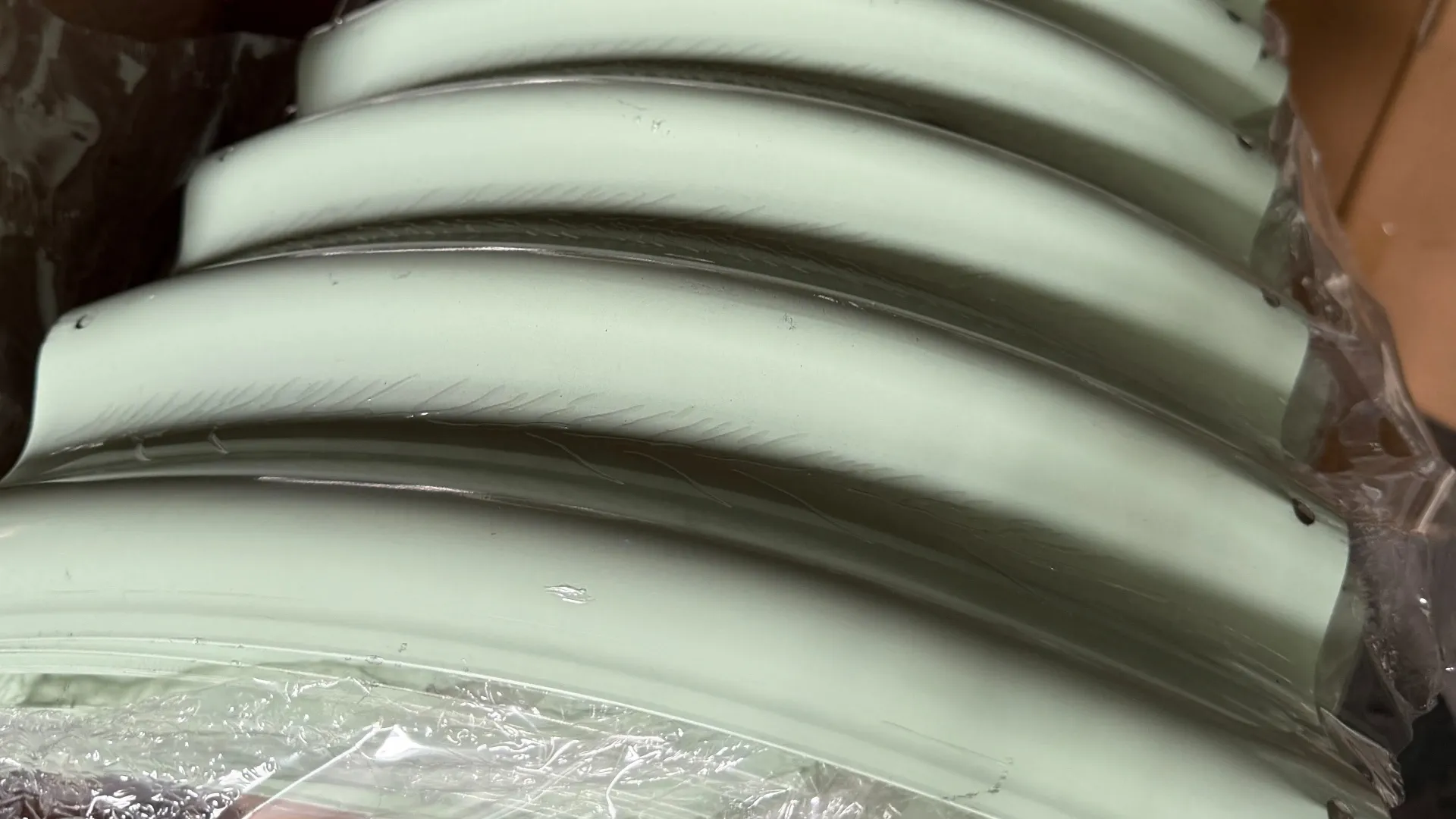
- Copy proprietary designs. If a brand has a distinctive corrugation pattern, corner design, or configuration system, do not replicate it exactly. Use it as inspiration for your own design.
- Use brand names or trademarks. Do not use “Vego-style” or “Birdies-type” in your product listings, marketing materials, or communications with customers. Describe the product by its specifications, not by another brand’s name.
- Copy product photography or marketing copy. Take your own photos. Write your own descriptions. This seems obvious, but it happens frequently in this category.
- Do not assume that a common product concept means every design detail is free to copy. Specific panel structures, connection methods, product designs, images, packaging and other elements may still be protected or commercially sensitive.
Risk reminder: A Section 337 investigation can result in a limited exclusion order, which means the affected products cannot enter the U.S. market. If you are sourcing from a manufacturer that has been named in a 337 proceeding, you need to understand the status of that proceeding and its potential impact on your supply chain. This is not legal advice — consult with a trade attorney for specific guidance.
Next Step: Build Your Competitor Reference Sheet
Pricing a metal raised garden bed without competitor research is guessing. But researching the wrong competitors — or comparing across tiers — is worse than guessing, because it gives you false confidence in a number that will not hold up in the market.
The process is straightforward: identify your tier, find three to five competitors in that tier, record their specifications and prices, read their reviews, and use that data to position your product. Then factor in your own sourcing costs, packaging requirements, and logistics — and set a price that your product can actually deliver on.
If your target market is positioned toward the premium tier, we can provide samples of our 0.6mm Zn-Al-Mg raised garden beds so you can check the panel thickness, coating, hardware, color and assembly before confirming a bulk order.
The standard range includes 8", 11", 17" and 32" heights, with multiple modular configurations. MOQ starts from 10 sets, and mixed orders and OEM packaging are supported.
You focus on selling. Scarecrow Garden Supplier can help you source, verify, organize, and ship.
Check Our 0.6mm Zn-Al-Mg Raised Garden Bed Range
If your target market is positioned toward the premium tier, review our available models and specifications or send us your requirements for samples and a quotation.

Written by
ScarecrowGarden
💡About Scarecrow Garden Supplier Co., Ltd.
Scarecrow Garden Supplier Co., Ltd. is a China-based sourcing and wholesale partner specializing in garden tools, landscaping equipment, and outdoor supplies for international wholesalers, distributors, contractors, and brands.
With hands-on experience rooted in real garden use scenarios, we focus on durable materials, functional design, and stable large-volume supply. Our product range covers pruning tools, watering systems, hand tools, outdoor hardware, and customized garden solutions to support both retail and professional landscaping markets.
Beyond products, we help our partners navigate supplier selection, quality control, compliance requirements, and long-term sourcing strategies in China. Through our blog, we share practical insights on product selection, material comparisons, industry trends, and cost-effective purchasing—helping global buyers build stronger, more competitive supply chains.