






round point shovel buying guide for wholesale buyers
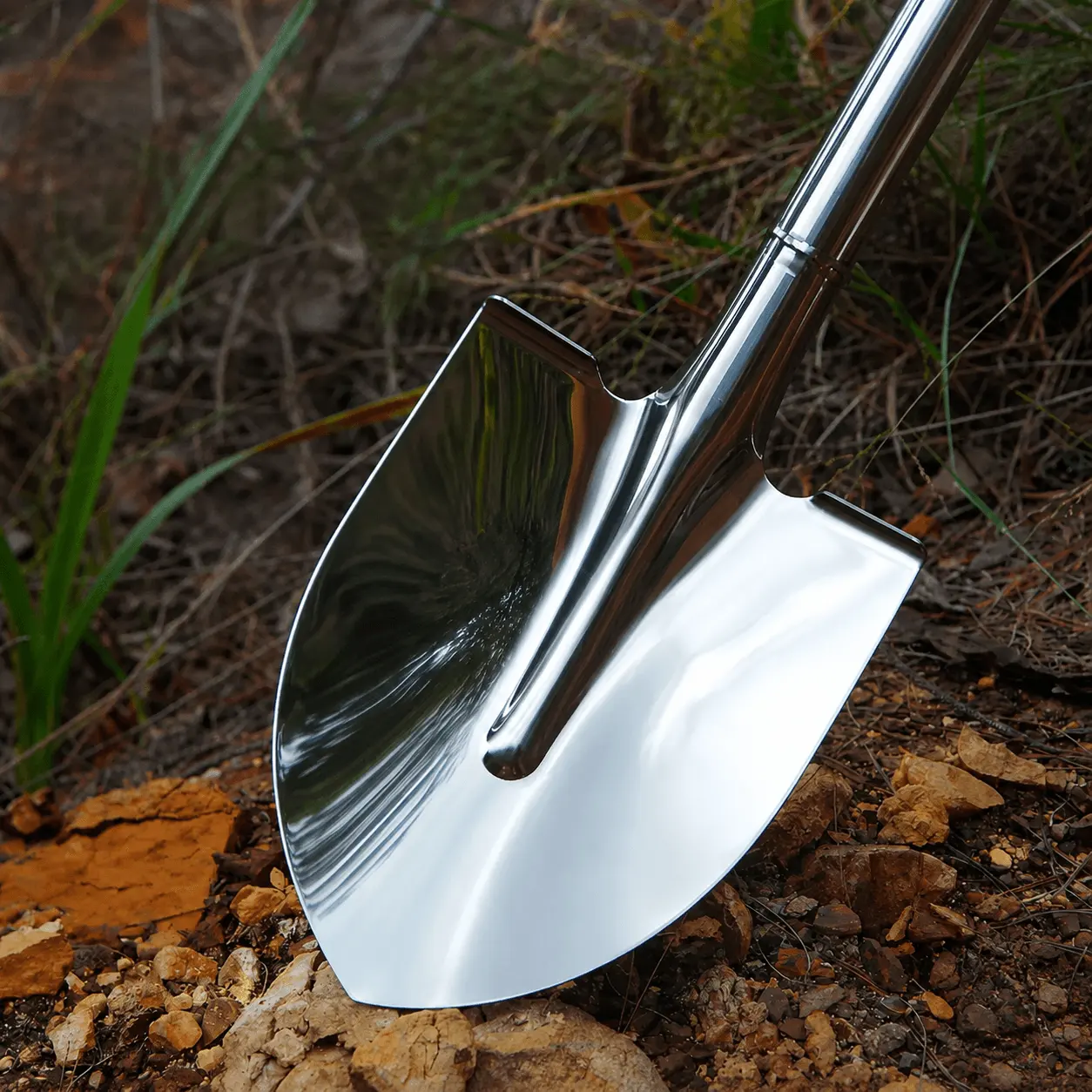
A wholesale buyer comparing two similarly named shovel heads may be offered a "deeper dish" as an upgrade. A greater depth is a geometric claim; it is not automatically a claim of greater material-carrying capacity. The purchasing decision is whether the offer establishes a particular geometry change or supplies evidence for the loading result it promises.
Which shape is being compared
Before depth means anything, the comparison has to name the shape. A blade can be described by its top-view outline, by a transverse section, by a longitudinal profile, or in its orientation relative to the shaft. These are different views of the same object and they carry different information. A top-down photograph is not a side profile, and a dimension taken from one does not stand for another.
A comparable depth result needs a named cross-section or station, a datum or chord, orientation, units and measurement location. The two offers must use matching conventions or identify an applicable method that makes the results comparable. A bare catalogue number does not establish that match.
Depth gives one dimension, not the volume
A geometric volume describes a three-dimensional region. One way to calculate it is to take the cross-sectional area at successive positions along an axis and integrate those areas. A region with a constant section has volume equal to section area multiplied by length. Where the section changes, one depth or one slice does not describe the whole region.
A single depth reading reports one dimension along one line. It does not describe the section's width, its complete profile or how the shape changes along the blade. Two conceptual sections can share the same maximum depth and have different widths and enclosed cross-sectional areas under a stated closing convention. That shows why the depth is insufficient to define the geometry; it is not evidence of how much real material either shovel carries.
A single section also does not establish a whole three-dimensional volume. The sections on either side may differ. Even a properly defined depth result therefore supports a depth comparison, not a capacity conversion.
Buy the claim the evidence supports
The gap that matters here is between a defined geometric volume and a working scoop result on an open blade. These are different matters, and they need different evidence.
A defined geometric volume for an open blade requires a stated orientation and an explicit closing boundary or surface that encloses the region being calculated. Different closure conventions can define different regions. That calculated region is not automatically the material a user will load or move.
A working scoop result is about material actually loaded and moved. A blade is open, not a closed container, so the real load depends on the material, how the blade is presented to it, and how the user works. A geometric volume and a material-loading comparison are not substitutes for each other.
The buyer can give the offer one of three dispositions, according to the evidence actually provided.
A properly defined depth result supports the stated depth comparison only. If the measurement convention is missing, the number is not yet comparable. A dimension may be specified as a requirement, but a catalogue claim alone does not verify that a supplied blade meets it. In either case, depth alone does not substantiate a capacity upgrade.
Matched section or profile evidence permits the specified shape comparison. The views, locations and measurement conventions must match. That is more geometric information, not by itself a practical capacity result.
An applicable comparative loading result supports only its stated result under those conditions. It needs to identify the actual blade and orientation, material condition and procedure. A geometric volume calculation is not a substitute for that loading evidence.
The useful purchasing outcome is to retain the specification the evidence supports and leave an unsupported capacity upgrade unapproved. A buyer can choose a particular geometry without also accepting claims of more material per scoop, fewer scoops or greater efficiency.
The wholesale round-point shovel guide places depth, shoulder width and working angle within the wider specification. Those fields describe the tool; the evidence above determines which outcome claims can be accepted.

Written by
ScarecrowGarden
💡About Scarecrow Garden Supplier Co., Ltd.
Scarecrow Garden Supplier Co., Ltd. is a China-based sourcing and wholesale partner specializing in garden tools, landscaping equipment, and outdoor supplies for international wholesalers, distributors, contractors, and brands.
With hands-on experience rooted in real garden use scenarios, we focus on durable materials, functional design, and stable large-volume supply. Our product range covers pruning tools, watering systems, hand tools, outdoor hardware, and customized garden solutions to support both retail and professional landscaping markets.
Beyond products, we help our partners navigate supplier selection, quality control, compliance requirements, and long-term sourcing strategies in China. Through our blog, we share practical insights on product selection, material comparisons, industry trends, and cost-effective purchasing—helping global buyers build stronger, more competitive supply chains.