






Soil Moisture Meter Buyer Guide: Wholesale Options for Every Soil Type
Abstract
Understanding soil moisture levels is very important for a successful garden and planting because different soil types retain different amounts of water and have different drainage properties. The soil moisture meter is an important tool for all levels of gardeners, which can prevent us from both watering too much and not enough, both of which are bad for plants. In this article, we will explore how to choose the right soil moisture meter according to different kinds of soil types.
The importance of soil moisture meters for different kinds of soil to understand
Soil moisture is the underpinning of all plant development, and it shapes root growth, nutrient absorption, and the vitality of the plant directly. Each soil type has unique features of retaining and draining water: the prolonged moisture of clay soil increases the possibility of waterlogging, the quick drainage of sandy soil often leads to over-drying, and loamy soil is the best option for most plants to achieve a natural balance of water holding and drainage. Universal soil moisture meters have no precision across substrates; their inaccuracies create false data, which results in bad watering choices.
Adapting to different soils with a high-quality soil moisture meter gives the correct amount of water. Whether tending a vegetable garden with loamy soil, a flower bed with sandy soil, or pot plants with a special soil, the right meter keeps water right and helps plants grow well, saves water, and avoids illness caused by overwatering. As a necessity, meters have become essential in serious gardeners' hands, whether a newbie or not.
Common Types of Soil Moisture Meters and Their Adaptability to Soil Types
Before choosing a soil moisture meter, we should first have an idea about the various sorts of soil moisture meters available and what they can achieve regarding different kinds of soil. The main kinds are resistive meters, capacitive meters, and tensiometers; the principle determines their accuracy and what kinds of soil they work best in.
Resistive Soil Moisture Meters
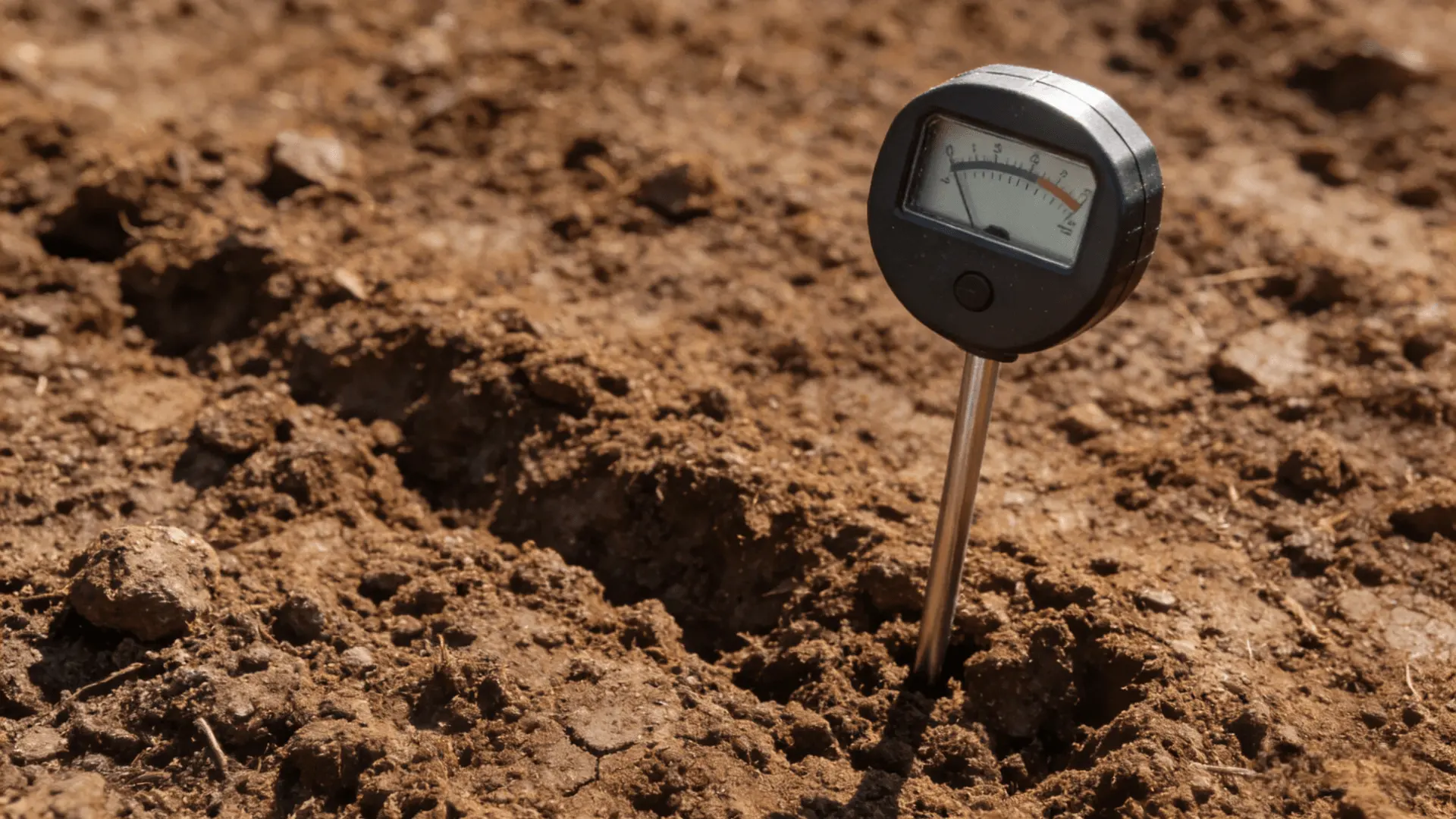
Resistive soil moisture meters use two metal prongs placed in the soil and measure the electrical resistance between them. Moist soil conducts electricity better than dry soil, with low resistance indicating high moisture content. These affordable and easy-to-use meters are favored by the home gardener but have issues with inaccuracy due to soil mineral content and salt. They are more suitable for loamy and sandy soils; corrosion of probes occurs in clay soil due to high water retention and possible compaction. The low conductivity of very dry sandy soil leads to a further decrease in reading accuracy compared with other meters.
Capacitive Soil Moisture Meters
A capacitive soil moisture meter measures the soil dielectric constant, a property that changes due to moisture. The metal probes of these meters are exposed so as not to cause any corrosion, and this makes the meter more durable, in addition to giving high readings with accuracy ranging from dry soil to clay, sandy, and loamy. Their versatility covers the use of planting containers, providing accurate readings of potting mix textures for gardeners dealing with different soil types or container-grown plants. They tend to be more costly for budget-minded users than resistive models.
Tensiometers
Using a tensiometer, we can measure the water content held within soil particles, giving us instant numbers for the water accessible to a plant. It is made of a water-sealed tube, a porous ceramic tip, and a gauge, and is thus highly professional for gardeners, farmers, and people who own large gardens. It is best in clayey loam soil with stable water film tension; in sandy soil, fast drainage will disrupt the normal uniform measurement of water film tension. Drawbacks include its routine management; the tube also needs water from time to time, and it costs much more than resistive and capacitive meters.
Key Factors to Consider When Choosing a Soil Moisture Meter for Specific Soil Types
When selecting a soil moisture meter for a specific soil, attention should be paid to key factors such as suitability, accuracy, service life, ease of use, probe length, and other additional features.
Accuracy for Target Soil Type
Accuracy for the target soil type is the most important thing. Clay soil, for example, gives better results with capacitive meters or tensiometers than resistive ones. Sandy soils also can benefit from capacitive meters, dealing with low conductivity better than resistive meters. Loamy soil is generally compatible with most types of meters, but capacitive models are still the most preferred due to their longevity and consistent performance. Check the product specifications to see if they match the target soil type.
Durability and Probe Material
Meter durability is important for people who use it frequently or for those who work in difficult soil conditions. Stainless steel probes resistant to corrosion and wear suit clay and acidic soils. Resistive meters with copper probes, in contrast, have poor durability and get corroded soon in clay soil. Capacitive soil moisture meters are fitted with plastic or coated probes. These particular probe materials confer two major benefits on the meters: first, improved durability; secondly, a lower requirement for maintenance. A factor for us to consider when selecting a capacitive meter is the length of the probes. Longer probe variants are made to adapt to deep-rooted plants, while short versions of probes are for shallow-rooted plants. Shorter probe variants may also be used in planting containers.
Ease of Use and Additional Features
Soil moisture meters that are easy to use come with a clear digital display or analog scale. These features are advantageous for reading and operating the meters. Such models would fit better for first-time gardeners starting out in tending to the soil. Digital models give more exact results and often have other features to measure data like pH and light. Analog models are easy but can be inaccurate. Special designs for planting containers include short probes and compact shapes for easy storage. Wireless and Bluetooth-enabled soil moisture meters have the capability of enabling remote moisture monitoring. This remote monitoring function is applicable to two major groups of people: gardeners who have many gardens to look after, and gardeners who are absent from their gardens most of the time. This key function of the meters provides improvement in the level of convenience of soil moisture management for users.
Practical Recommendations for Selecting a Soil Moisture Meter Based on Soil Type
Since soil types are common, here are practical suggestions for decision-making:
For Clay Soil
Clay soil needs a good meter because of its strong ability to hold water and compact. Use a capacitive soil moisture meter or tensiometer. Capacitive models are appropriate for home gardeners and tensiometers for professionals or large clay-soil gardens. Resistive meters should not be used as their probes will corrode in clay soil.
For Sandy Soil
Sandy soil's quick drainage needs a meter precise in measuring low moisture content; a capacitive soil moisture meter is recommended. Sandy soil has low conductivity, and tools like this remain consistent. A resistive model might be okay, but a tensiometer won't work if it is really dry, and sandy soils don't perform well with them.
For Loamy Soil
Loamy soil is balanced, so most types of meters can be used, but durability and accuracy are important. Recommendation: Capacitive soil moisture meter (best overall) or a good resistive meter. The capacitive model is most suitable for a mix of durability, precision, and adaptation to a range of gardening needs, whereas the resistive model costs less for casual gardeners in loam.
For Planting Containers (Potting Mixes)
There is a lot of variation in different mixes of potting and drainage; therefore, a small, versatile meter is needed. Recommendation: Compact capacitive soil moisture meter with a short probe. These tools are easy to use in containers and can give us consistent data when using different potting mixes; they are also resistant to frequent use. Some of these measure pH, which can be used to adjust the potting mix.
Call to Action
For gardeners who aim for results from gardening activities, choosing a soil moisture meter working in rapport with the characteristics of the particular kind of soil at hand constitutes a preliminary move. This kind of meter can effectively keep the soil moisture at the best state for clayey soil, sandy soil, loamy soil, and planting containers. It promotes the healthy growth of plants in various growing environments, helping every user experience the process of using this tool to handle soil moisture management during the gardening process.
For importers, distributors, and wholesale buyers, sourcing garden tools is not just about price, but about long-term reliability and product-market fit.
At Scarecrow Garden Supplier, we help B2B buyers select and source suitable garden tools based on their target market, order volume, and sales channels.
If you are planning to source garden tools for wholesale or retail distribution, feel free to contact us to discuss your requirements and explore suitable sourcing solutions.
Written by
ScarecrowGarden
💡About Scarecrow Garden Supplier Co., Ltd.
Scarecrow Garden Supplier Co., Ltd. is a China-based sourcing and wholesale partner specializing in garden tools, landscaping equipment, and outdoor supplies for international wholesalers, distributors, contractors, and brands.
With hands-on experience rooted in real garden use scenarios, we focus on durable materials, functional design, and stable large-volume supply. Our product range covers pruning tools, watering systems, hand tools, outdoor hardware, and customized garden solutions to support both retail and professional landscaping markets.
Beyond products, we help our partners navigate supplier selection, quality control, compliance requirements, and long-term sourcing strategies in China. Through our blog, we share practical insights on product selection, material comparisons, industry trends, and cost-effective purchasing—helping global buyers build stronger, more competitive supply chains.
Related Articles

Lithium-Ion vs Lead-Acid Batteries in Electric Sprayers: Weight, Runtime, Charging and Shipping Trade-Offs
Timer Accuracy and Power-Loss Memory in Automatic Irrigation Controllers: A Buyer Test
