







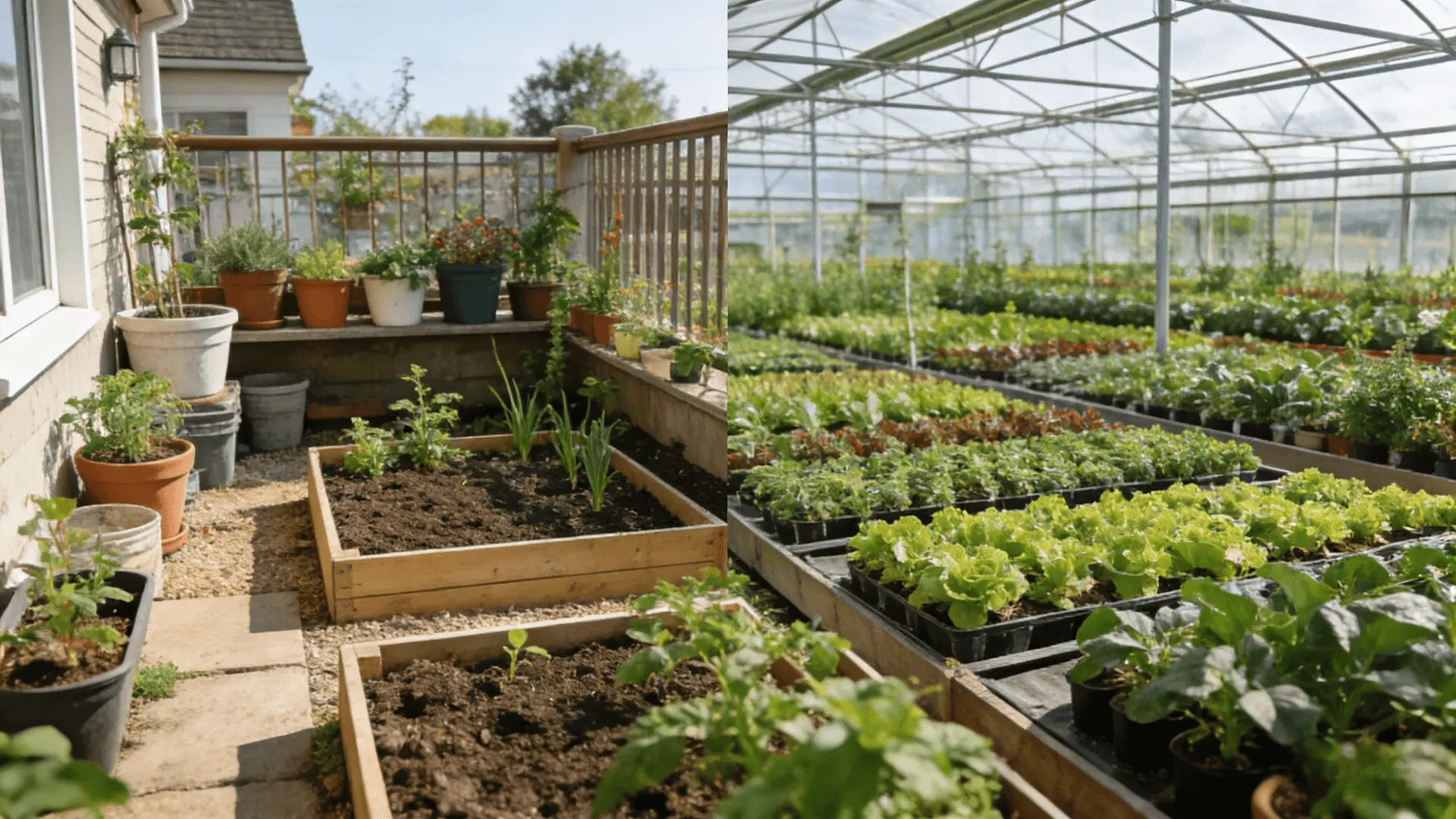
Wholesale Soil Moisture Sensors: A Buyer's Guide for Home & Commercial Irrigation
Abstract
As modern gardening progresses constantly, the soil moisture sensor becomes a link between people growing plants at home healthily and commercial landscape gardeners’ needs for water-saving irrigation. These creative garden tools eliminate the need for guesswork, so plants will get the right amount of water—not too much and not too little.
According to the state of the soil moisture, a soil moisture sensor helps with plant care, both for small households cultivating their small vegetable gardens and large commercial projects, by increasing growth rates, conserving water resources, and reducing overall operational costs.
This article will take an in-depth look at the application and usefulness of soil moisture sensors, from installation and benefits in domestic and residential garden use to commercial planting.
Soil Moisture Sensors: Core Functionality for Modern Gardening
Understanding the Technology: Resistive vs. Capacitive vs. TDR
Soil moisture sensors, mainly used to take measures of soil water quantity, offer real data for irrigation. Old watering relied on looking or randomness. These sensors show objective, true readings of how much water the plants need.
Soil moisture sensors use varying technologies. It is quite frequent for resistive, capacitive, or TDR sensors to exist. Resistive sensors are the cheapest for home use in measuring soil electrical conductivity, as moist soil conducts electricity better than dry soil.
Capacitive sensors are favored for their toughness and precision, as they measure the soil dielectric constant, which varies a great deal with moisture. TDR sensors, used mostly in commercial projects, send out electromagnetic pulses through the soil and measure how long it takes them to reflect back to figure out the moisture.
The Biological Impact: Preventing Root Rot and Plant Stress
All soil moisture sensors could be used in gardening to prevent both too much and too little watering. When overwatered, roots rot and nutrients leach out. When underwatered, the plant is more prone to pests, gets stressed, suffers stunted growth, and dies.
With precise data from these sensors on moisture, gardeners are able to change their watering schedules to create the best environment for all plants, like flowers, herbs, trees, and shrubs, to grow.
Soil Moisture Sensors in Home Gardening: Accessible Tools for Thriving Backyards
Smart Integration: Wireless Monitoring via Smartphone Apps
Soil moisture sensors are becoming more available and user-friendly for home gardeners, making them a common item to have. Nowadays, many residential sensors are wireless and battery-operated, as well as having smartphone apps for remote sensing of soil moisture.
A lot of them have extra features like temperature and light sensors, so we get the whole picture of the growing conditions. This kind of accessibility means that data-driven gardening is available to everyone; even brand-new gardeners can make it look professional.
Water Conservation: Reducing Household Usage by Up to 30%
Soil moisture sensors saving water is the new standard in China. The EPA in the U.S. states that outdoor water use makes up close to 30 percent of household usage, and much is wasted because of too much watering.
Household soil moisture sensor users with gardens could go as low as fifty percent with their water use, reducing utility costs and the environmental impact of their activities. Those sensors also save time and energy by removing the need for manual checks, like putting your finger in the soil to check if it is wet, and by cutting back on how much you have to water.
A person who grows tomatoes at home in a garden bed could put a soil moisture sensor in the bed, and the sensor would send a smartphone alert if the moisture level drops below a certain point so that the tomatoes get water precisely when they need it.
Versatility Across Soil Types: From Sandy Loam to Heavy Clay
Soil moisture sensors function properly for various kinds of soil and plant life in home gardens. Home gardeners can calibrate the sensors for the correct amount in clay, loam, or sand, which are distinctive when it comes to holding water.
Since the device is flexible, it can be used for different kinds of plants; for example, some need less moisture, like cacti in dry soil, while some plants, like ferns, need consistent moisture levels. The sensors will help in maintaining ideal conditions, which will lower the chance of failure and increase production in the overall garden.
Soil Moisture Sensors in Commercial Landscaping and Large-Scale Projects
Precision Agriculture: Maximizing Yields with Variable Rate Irrigation (VRI)
Soil moisture sensors play an important part in irrigation management in commercial gardening and landscaping, where efficiency, scalability, and cost are needed. Major commercial projects such as golf courses, public parks, agricultural farms, and large residential complexes require precise irrigation systems to keep vegetation in a sustainable condition, control costs, and fit water-saving requirements. Integrated into an irrigation system, a soil moisture sensor provides information for precise water distribution to make sure all landscape sections receive the proper quantity of water.
Agricultural farming is a major area of use for soil moisture sensors in commercial projects. Farmers use sensors to monitor moisture levels across large fields. They are able to implement VRI, a practice that changes the amount of water applied to specific field areas based on their needs. VRI saves water and helps crops grow better to make sure all plants get just the right amount of water to be healthy.
For instance, a soil moisture sensor system in a corn field finds where there are wet spots, like lowlands, and turns off the water in those areas, while sending water to spots that need more, helping today's farms grow more without wasting water.
Maintaining Elite Landscapes: Solutions for Golf Courses and Public Parks
Commercial landscaping depends on soil moisture sensors to have attractive, healthy landscapes and control operational costs. A golf course has to maintain proper irrigation conditions to make sure the greens, fairways, and roughs are in their best state.
Overwatering can make the greens soggy and hard to play on while increasing fungal diseases, whereas underwatering causes brown, patchy grass. Soil moisture sensors connected to the irrigation system make sure each area gets exactly the right amount of water to ensure quality stays consistent.
This also helps save water in public parks and large residential complexes, where sensors manage the irrigation of trees, shrubs, and flower beds to keep landscapes looking vibrant and prevent water wastage.
Data-Driven Planning: Long-term Strategies for Water Management
In commercial projects, soil moisture sensors gather information for long-term irrigation planning. By collecting moisture data over a period of time, gardeners and farmers can recognize patterns, including seasonal patterns of soil moisture or how certain weather patterns change water requirements.
This data will help adjust irrigation schedules, change planting strategies, and support decisions on when to upgrade garden equipment. A commercial landscaper could make use of such sensor data, for instance, to spot which park areas require more frequent watering during summer and adjust their automated systems accordingly.
Soil Moisture Sensor Technology Advancements Shaping Modern Gardening’s Future
The Rise of IoT and Solar-Powered Remote Sensing
Recently, with the growth of technology, the functions and types of soil moisture sensors have also increased, making them useful either at home or for a business. The integration is another big step, letting us connect those sensors to the internet and share their data.
A soil moisture sensor fits into a smart home or smart farm system, which can control and manage an automatic irrigation system with almost no human intervention. A smart irrigation system with such sensors can turn on sprinklers automatically when moisture falls below the set level and turn off once it reaches a desirable level.
Solar-powered soil moisture sensors are the next best option for remote commercial projects such as large farms or rural landscaping sites that have little to no electricity. These sensors run on solar power to reduce battery use and maintenance.
Better sensors that are more precise and long-lasting have allowed them to become more dependable in harsh environments, such as those with extreme temperatures, heavy rain, and compressed soil, which are common in commercial gardening and farming.
AI Integration: Predictive Analytics for Proactive Plant Care
In terms of future development, soil moisture sensors in modern gardening will combine with artificial intelligence and machine learning technology. AI-powered sensors carry out an overall check of three kinds of information: historical soil moisture data, short-term and long-term weather forecasts, and changing plant growth patterns.
The main purpose of this multi-dimensional analysis is to predict the water requirements of plants accurately. Sensors are designed to provide users with proactive irrigation recommendations, rather than being limited to providing passive data in response to real-time status.
AI-powered soil moisture sensors can optimize the whole process of irrigation management, reduce the quantity of water resources used, and visibly improve all plants in the garden. For example, the system can forecast upcoming hot and dry weather and make changes to the irrigation schedule in advance to ensure that all plants have enough moisture to resist high-temperature stress.
Conclusion: Adopting Soil Moisture Sensors for Sustainable, Efficient Gardening
Soil moisture sensors have brought a revolutionary change to the field of modern gardening. Practical applications include both small-scale home gardens and large-scale commercial gardening. Soil moisture sensors offer accurate real-time moisture information, remove uncertainties in irrigation management, improve plant growth conditions, save water resources, and reduce costs.
They are useful and feasible for home gardeners; even a novice can grow healthy plants. For commercial pros, they offer scalability and accuracy for efficiently managing big landscapes and farms sustainably.
Along with the escalation of technology, the soil moisture sensor will participate more in present-day gardening. IoT, solar power, and AI drive improvements in functionality and performance. Investing in soil moisture sensors is wise and sustainable, whether for home gardening or commercial landscaping, and whether used to improve home gardening tools or optimize commercial irrigation management.
Garden tool demand varies greatly across regions, sales channels, and end users. Choosing the right products for your local market is essential for sustainable sales.
At Scarecrow Garden Supplier, we work closely with B2B buyers to recommend garden tools that align with local market preferences, pricing structures, and compliance considerations.
Contact us to discuss your target market and sourcing needs, and let our team support your next procurement step.

Written by
ScarecrowGarden
💡About Scarecrow Garden Supplier Co., Ltd.
Scarecrow Garden Supplier Co., Ltd. is a China-based sourcing and wholesale partner specializing in garden tools, landscaping equipment, and outdoor supplies for international wholesalers, distributors, contractors, and brands.
With hands-on experience rooted in real garden use scenarios, we focus on durable materials, functional design, and stable large-volume supply. Our product range covers pruning tools, watering systems, hand tools, outdoor hardware, and customized garden solutions to support both retail and professional landscaping markets.
Beyond products, we help our partners navigate supplier selection, quality control, compliance requirements, and long-term sourcing strategies in China. Through our blog, we share practical insights on product selection, material comparisons, industry trends, and cost-effective purchasing—helping global buyers build stronger, more competitive supply chains.
Related Articles

Lithium-Ion vs Lead-Acid Batteries in Electric Sprayers: Weight, Runtime, Charging and Shipping Trade-Offs
Timer Accuracy and Power-Loss Memory in Automatic Irrigation Controllers: A Buyer Test
