






How to Calculate Landed Cost for Nursery Supplies (Trays & Pots) | Scarecrow Garden Supplier
An inquiry arrives with one line of specification: one-gallon nursery pots, quantity, delivery window. Everything else is blank. A supplier who quotes on that line is guessing, and a grower who orders on it is buying a pot that may not fit the bench, may not match the tray, and may hold less mix than the price implies.
The phrase can be a trade-size name rather than a statement of measured capacity. Turning it into a usable specification means checking what that particular supplier intends the label to mean.
A trade name is only part of the specification
Gallon on a nursery pot can refer to a stated unit of volume or to a trade-size convention. The listing needs to make clear which it means.
It can mean the US liquid gallon, about 3.785 liters. It can mean the imperial gallon, about 4.546 liters. And it can mean a trade gallon, which is a size convention within the nursery industry rather than a liquid measure at all.
That third meaning is where most of the confusion lives. Trade gallon pots are sized by the trade, and the actual capacity of one manufacturer's one-gallon pot is not guaranteed to match another's. Applying a single conversion factor to every product labeled one gallon can misstate the measured capacity of a particular pot.
The way to see this is to compare each pot's trade-size label with its own published dimensions and measured capacity. Two pots both called one gallon can differ enough that one fits a tray the other does not. Use the specification for the particular model rather than a general size range.
Record the dimensions and the stated capacity
A usable pot specification has five fields, and each one answers a different question on the bench.
The top outside diameter helps determine bench spacing. Tray fit also depends on the pot profile at the tray's contact points. Height affects clearance under the light, while the complete internal shape and fill level determine how much mix is needed. The bottom diameter helps describe how the pot sits on a support or in a socket. The stated capacity is the figure on the product page, and the measurement basis explains what that figure measures.
That last field is the one buyers skip. Many catalogues quote a maximum liquid capacity, meaning the volume of water the pot will hold if filled to the brim. A grower does not fill to the brim. Potting mix sits below the rim, often well below it, and mix is not liquid. The gap between maximum liquid capacity and the volume of mix that a pot holds in normal use is one of the routine surprises in a first order.
A supplier's own data sheet should do what a product name cannot, which is to keep the dimensions and the capacity apart. Record the five fields consistently: top outside diameter, height, bottom diameter, stated capacity and its measurement basis. Use liters or cubic inches as appropriate for the capacity field. None of them is derived from the word gallon, and any one of them can disqualify an order on its own.
For a pot that goes into automated handling, two more fields get added: whether the pot is listed as automation compatible, and the bulk quantity per pallet or case. Neither is a dimension, and both affect whether the order can be run.
Rewrite the request so another supplier can use it
The inquiry that opened this article needs to become something a second factory could quote without asking a question. In practice that means six lines.
The product name and capacity requirement, stated separately: one-gallon nursery pot, with the required measured capacity and gallon convention specified below.
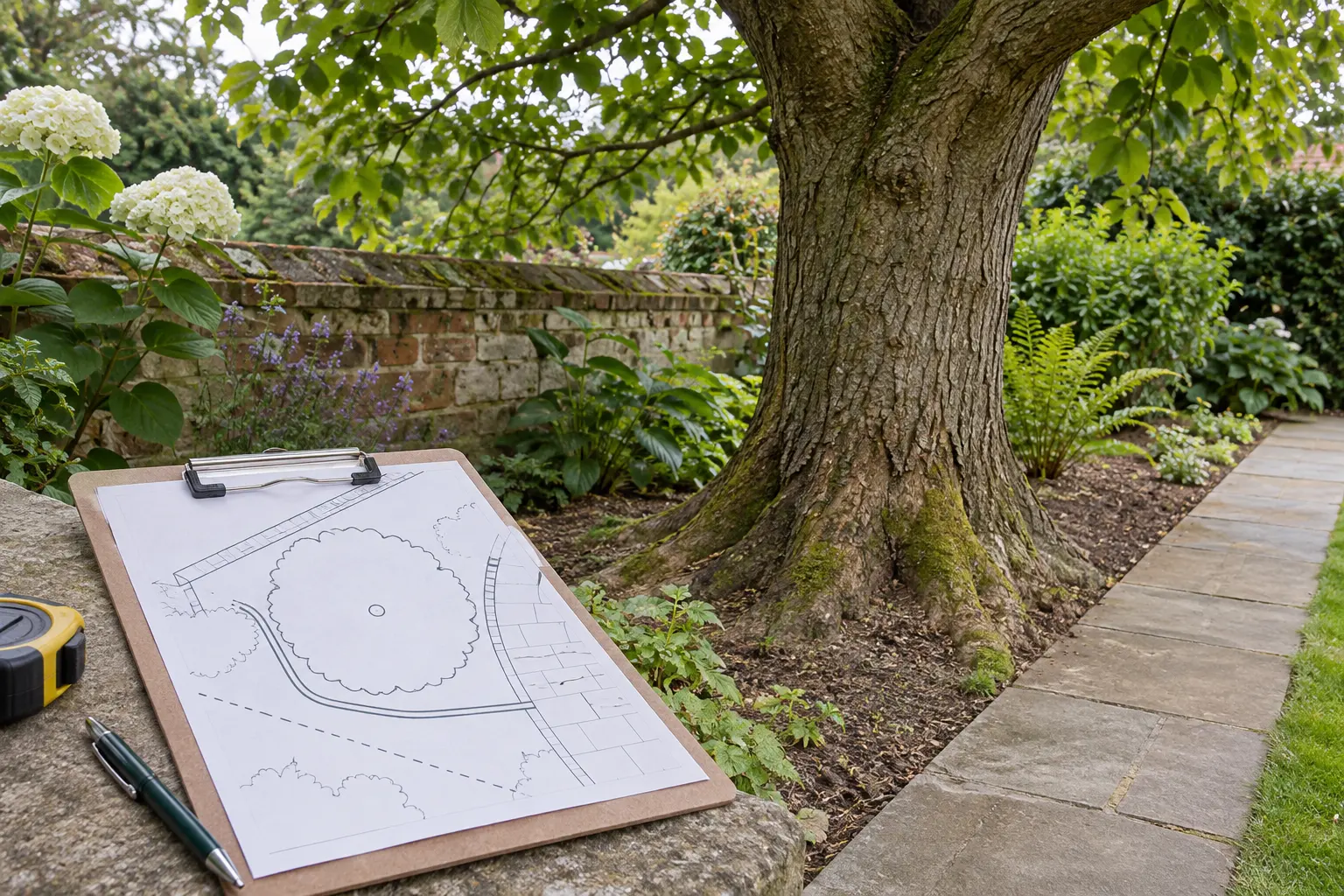
The dimensions, with their measurement points named. Top outside diameter, height, bottom diameter, and where each was measured, with a simple dimension sketch attached. A sketch removes more ambiguity than a paragraph.
The capacity and its basis. State the figure and whether it refers to maximum liquid capacity or to a working volume below the rim. If the buyer's requirement is mix volume, say so and give the fill line.
The material and the color, where they affect the intended use or sales presentation. State them explicitly rather than leaving the supplier to assume they are interchangeable.
The handling requirement. Whether the pot must run on an automated line, and if so, the tray or socket it has to fit.
The intended use. A pot destined for a retail bench and a pot destined for a nursery grow-out differ in wall specification and in what the customer will tolerate, and the intended use is what lets a factory propose the right one.
With those six lines, the one-gallon name is still in the document, but it no longer carries the specification. It sits at the top as a category, and the numbers below it are what gets quoted. Comparing plastic pot options from two suppliers is then a comparison of stated figures rather than of names.
Send us your pot drawing, required capacity and fill line, together with the quantity and destination market. We can use those details to discuss suitable plastic-pot sourcing options.

Written by
ScarecrowGarden
💡About Scarecrow Garden Supplier Co., Ltd.
Scarecrow Garden Supplier Co., Ltd. is a China-based sourcing and wholesale partner specializing in garden tools, landscaping equipment, and outdoor supplies for international wholesalers, distributors, contractors, and brands.
With hands-on experience rooted in real garden use scenarios, we focus on durable materials, functional design, and stable large-volume supply. Our product range covers pruning tools, watering systems, hand tools, outdoor hardware, and customized garden solutions to support both retail and professional landscaping markets.
Beyond products, we help our partners navigate supplier selection, quality control, compliance requirements, and long-term sourcing strategies in China. Through our blog, we share practical insights on product selection, material comparisons, industry trends, and cost-effective purchasing—helping global buyers build stronger, more competitive supply chains.