








Wholesale Soil Moisture Meter Buyer’s Guide: Manual vs. Digital Sensors for Your Garden Supply Business
Abstract
Accurate monitoring of the presence and availability of water in soil is critical for gardening to impact plant growth, nutrient use, and the amount of saved water. The soil moisture meter is a useful plant care tool. The market offers two kinds of soil moisture meters: manual soil testers and digital soil meter probes. When it comes to deciding if you should irrigate, the tool makes sense. It will be very different with the technology performance and field application being added in. The scientific theory of each species is analyzed. There are some practical gardening examples and performance indicators for a detailed discussion. No matter what level of gardener you are, you can find useful private tips about choosing the best soil moisture meter for your garden size, plants, and maintenance needs. You should consider three factors: accuracy measurement to the environment, versatility in measuring over time and durability.
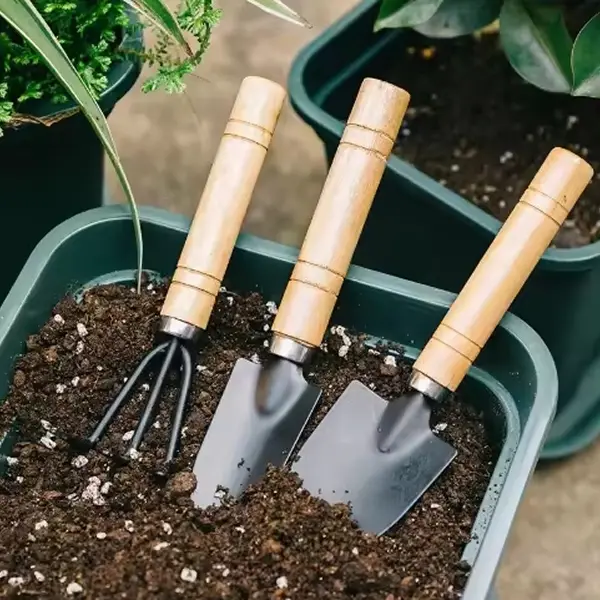
Soil measurement is only one part of garden preparation; digging, loosening, and preparing the planting area are also important before planting begins.
Introduction: The Science Behind Soil Moisture Measurement
How important is Moist Soil to Your Plant’s Health? Plants can take up nitrogen, phosphorus, and potassium from the nutrients in the water. If the moisture is too low and soil water is insufficient, nutrient uptake should be slowed to limit root development. Too much water disrupts the flow of oxygen in the soil, and this can cause rot or disease in the roots.
Traditional methods (like poking a finger in the soil) are inaccurate. Relying on care-based perceptions, such as wilting, takes the risk of overwatering, responsible for more home garden plant deaths than all other causes combined. Soil moisture sensors are data-driven and next-level irrigation decision-making. Not all meters are created equal, though.
There are different sensing principles used by manual and digital meters, which also bring about discrepancies in accuracy, operations, and conditions. Selecting the right type can directly impact water use efficiency, plant health and overall garden sustainability.
1. Manual Soil Testers: Time-Tested Simplicity for Basic Needs
1.1 Why Gardeners Love Manual Testers
Manual soil testers are classic instruments for hobby gardeners and professionals. Such moisture measurement devices generally include two stainless steel or copper pins attached to an analog gauge, which reports the estimated amount of moisture on a dry or wet scale. They are used to quickly assess soil moisture by measuring the electrical resistance in the substrate.
When simplicity and economy are more important than high precision, manual testers are ideal. The probe's length generally ranges from 6 to 12 inches. They do nicely for container gardens, window boxes, balcony planters, and small raised beds where available soil volume is minimal and moisture fluxes quickly. They are very beginner-friendly: users only have to insert the probes about 2-4 inches into their soil, steer clear of rocks and roots, wait a little bit, and then just read the dial. No battery, calibration, or specialized/common sense is needed. They're also easy to use, have few moving parts, and don't use electronics or batteries. So they are tough and resist breakage when dropped and exposure to dirt or temperature changes. Simple maintenance, like just wiping off the probes after each use, helps guard against rust and extend probe life. At $5 to $20, on average, manual testers are also a great value for gardeners who’re cultivating hardy plants (such as herbs, tomatoes, zucchini, or native flowers) that don’t mind some variation in moisture levels.
1.2 Limitations of Manual Soil Testers
The most significant drawback of a conventional soil test kit is the precision. Analog meters use qualitative rather than quantitative measurements, so they will not show precise percentages of moisture. This is not ideal for moisture-sensitive plants (like orchids, succulents, ferns, and seedlings) that need specific minimum and maximum amounts of water.
Besides being too short, probes won’t reach deep into the root zones of larger shrubs, trees, or rose bushes. Readings can also differ based on the depth of insertion, angle, or presence of organic debris and mulch. Most manual testers are not waterproof and should not be used in wet soil or left out during heavy rain, which handicaps their utility in extremely moist conditions.
2. Digital Soil Moisture Sensors: Precision and Versatility for Demanding Gardens
Digital Soil Moisture Sensors vs Manual Testers DSMS is the latest technology in soil testing, which removes many of the manual testers’ constraints by means of electronic measurement and data display. They are based on capacitive or resistive measurements of moisture content and typically display the plant’s water status as a number (25% or 50%) on an LCD/LED. Compared to manual testers, digital models commonly feature added functionality, including measurement of soil pH level, light intensity testing, and either wired or wireless connection, which renders them as general-purpose irrigation devices for dedicated gardeners and pros.
Accuracy is the best feature of digital soil moisture sensors. Many utilize capacitive sensing technology for determining the variation in electrical capacitance as a result of different moisture levels, with an accuracy range within ±1–2% of the actual soil moisture level. This accuracy is particularly useful for gardeners who are cultivating moisture-sensitive plants, expensive species (like rare succulents, medicinal herbs, or hydroponic produce), and delicate inflorescences. For instance, a digital sensor could notify growers when the moisture level falls below 30 percent, an important threshold for succulents, while a manual tester might just say “dry.” With long probe lengths, usually ranging from 12 to 24 inches, digital meters peep deep into the root areas and can be used in large gardens or farms and landscapes with shrubby plants.
2.1 Advanced Monitoring and Smart Features
The convenience is further improved by the availability of wireless digital sensors that support remote monitoring with a smartphone app or a standalone receiver. More than one sensor can also be placed in different garden areas to monitor what the soil moisture levels are in real time, but also alert when conditions fall out of preferred intervals, and eliminate the need for so many manual checks. High-end models save historical data, so that gardeners can check moisture trends over weeks or months and fine-tune irrigation plans for optimum efficiency.
2.2 Trade-Offs of Digital Soil Moisture Sensors
Trade-offs in digital soil moisture sensors. On the other hand, digital sensors for soil moisture also compromise. But cost is a big consideration — prices can soar to over $100 for wireless or multifunction models, but come down as low as $20. They need power from rechargeable batteries or replaceable cells, and so battery management becomes critical in order not to cripple operation time. Though setup and calibration can be more difficult than with manual testers, wireless setup may be difficult for less tech-savvy users. Electronic assemblies are more susceptible to damage from saturated or frozen soil and rough handling. Most models are waterproof, although extensive exposure to harsh environmental conditions will necessitate upkeep- for example, cleaning probes, switching batteries, or recalibrating sensors.
3. Contextual Decision-Making: Matching the Tool to Your Garden
The right soil moisture meter for your garden will depend on the size of your garden, what kind of plants you have growing in it, where you are located, and how you like to garden. Manual soil testers are useful and helpful instruments to provide professional analysis of soil in different planting areas, which is suitable for home, garden, lawn, and farm. Because they're so portable, simple, and cheap, they are a good choice for both beginners and gardeners on a budget. The digital soil moisture meter is particularly suited for use in large gardens, ground plot areas, and farmland, as well as all other instances where remote measurement of water content in the soil over a significant distance and at different points in an area is necessary.
Plants of moderate water tolerance, like lavender, yarrow, or tomatoes, often work fine with this basic rule-of-thumb testing from a manual tester. On the other hand, plants that respond to moisture like orchids, Venus flytraps, baby plants, and hydroponic crops depend on digital sensors for accuracy in order not to stress or lose them. Gardeners who like down-and-dirty, low-tech tools may prefer using manual testers, while tech-savvy gardeners or those with little time to spend on testing appreciate the automation and alerts available in digital systems. In areas with unpredictable weather, accurate watering prevents waste by avoiding overwatering or runoff.
4. Practical Guidelines: Maximizing Soil Moisture Meter Effectiveness
- Probes should be inserted to the active root zone of the plant so they can provide an accurate reading–usually 2-6 inches deep for annuals and vegetables, or 6-12 inches for shrubs and trees.
- Don’t test right after watering — soil moisture on the surface may affect results; let one to two days pass so water can distribute evenly.
- Do not employ a soil moisture meter in temperatures lower than 40°F or higher than 90°F; the very high and low temperature conditions have an impact on electrical conductivity and sensor precision.
- Frequently clean the probes to get rid of dirt, minerals, and rust.
- Calibrate digital sensors every three to six months or if readings do not seem accurate.
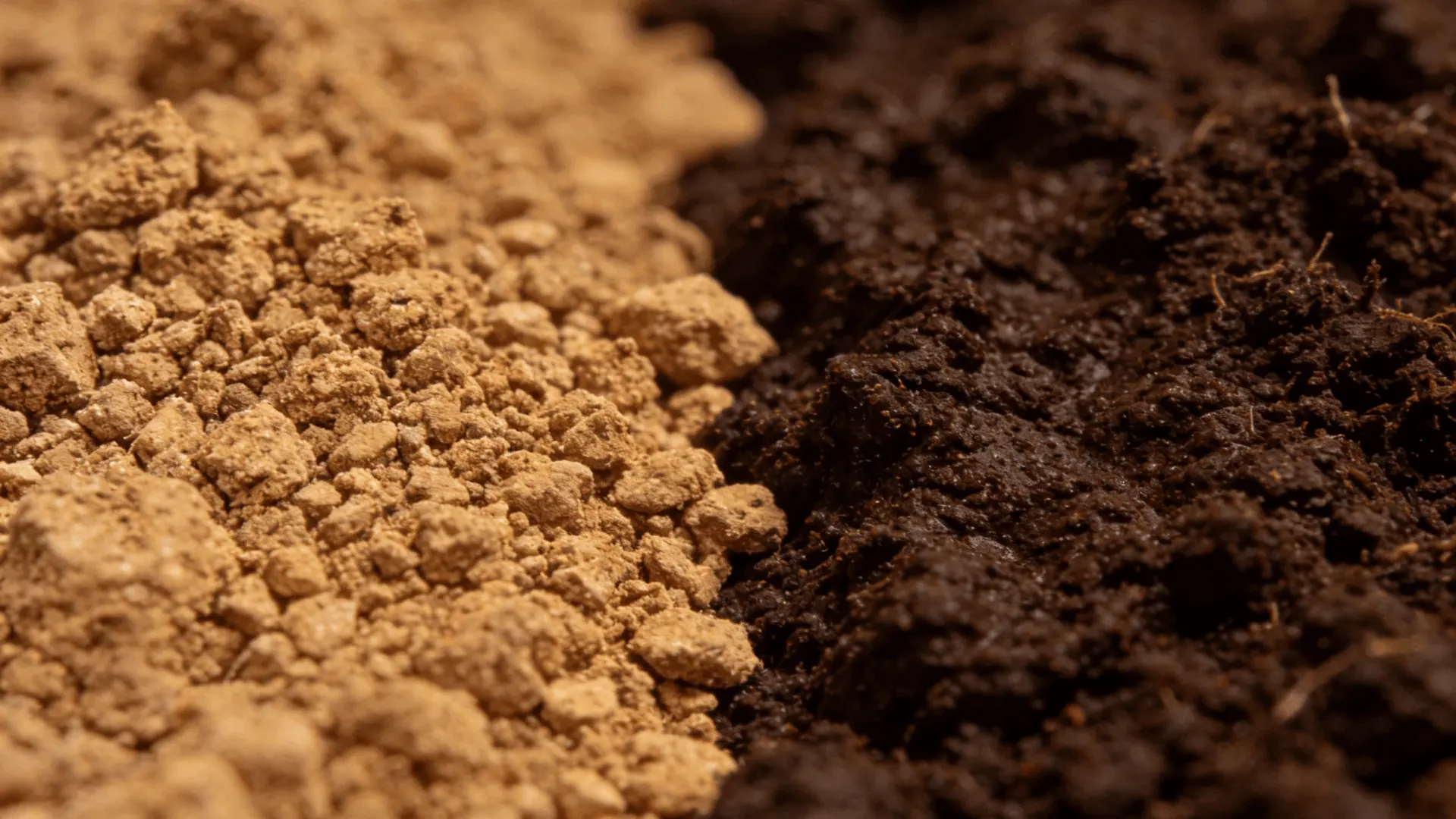
In addition, differences in the composition of soils impact readings because sandier soils drain faster and record higher while clay holds water longer and records lower readings, even though they were at similar values.
Call to Action
Selecting the perfect soil moisture meter will help you raise healthier plants, use water more efficiently, and enjoy gardening that much more. Whether you go for the back-to-basics approach of a manual soil tester or the surgical precision of a digital moisture sensor, choosing one that fits your garden’s size, plant needs, and your own maintenance capacity is paramount. When irrigation decisions are informed by accurate moisture data, you can save water, maintain the health of plants, and easily see improvements in your garden’s performance.
For importers, distributors, and wholesale buyers, sourcing garden tools is not just about price, but about long-term reliability and product-market fit.
At Scarecrow Garden Supplier, we help B2B buyers select and source suitable garden tools based on their target market, order volume, and sales channels.
If you are planning to source garden tools for wholesale or retail distribution, feel free to contact us to discuss your requirements and explore suitable sourcing solutions.

Written by
ScarecrowGarden
💡About Scarecrow Garden Supplier Co., Ltd.
Scarecrow Garden Supplier Co., Ltd. is a China-based sourcing and wholesale partner specializing in garden tools, landscaping equipment, and outdoor supplies for international wholesalers, distributors, contractors, and brands.
With hands-on experience rooted in real garden use scenarios, we focus on durable materials, functional design, and stable large-volume supply. Our product range covers pruning tools, watering systems, hand tools, outdoor hardware, and customized garden solutions to support both retail and professional landscaping markets.
Beyond products, we help our partners navigate supplier selection, quality control, compliance requirements, and long-term sourcing strategies in China. Through our blog, we share practical insights on product selection, material comparisons, industry trends, and cost-effective purchasing—helping global buyers build stronger, more competitive supply chains.
Related Articles

Lithium-Ion vs Lead-Acid Batteries in Electric Sprayers: Weight, Runtime, Charging and Shipping Trade-Offs
Timer Accuracy and Power-Loss Memory in Automatic Irrigation Controllers: A Buyer Test
