






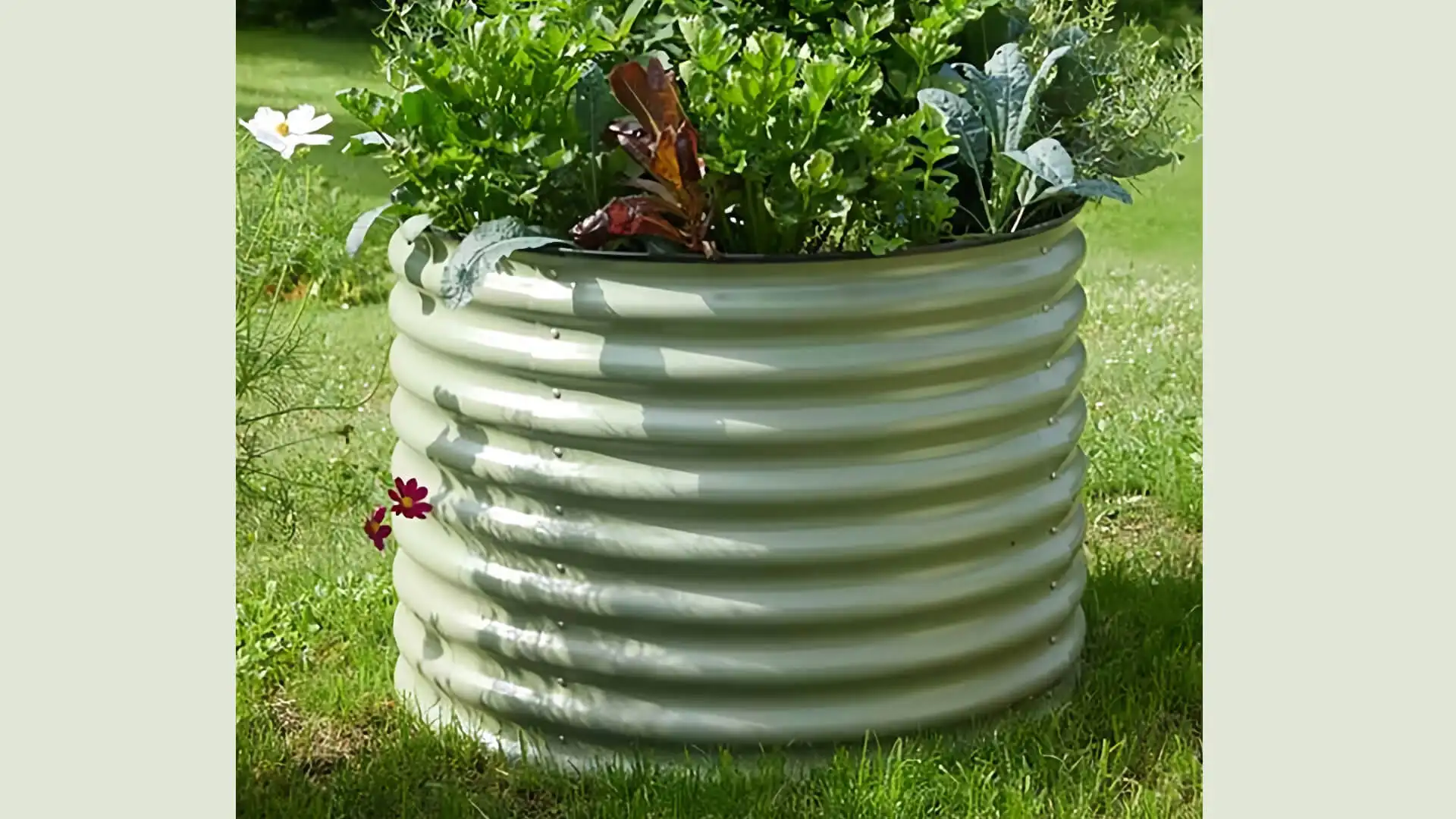
Caliper measuring a 0.6mm metal raised garden bed steel panel
What Your Quotation Doesn't Tell You
You're considering sourcing metal raised garden beds from China. You may have already received several quotations—dimensions, material, and price all seem similar. Choosing the lowest quote means a larger profit margin, right?
The problem is that what appears on a quotation is only the surface. What truly affects your profit is what the quotation does not tell you.
For example, a 0.4mm steel panel and a 0.6mm steel panel differ by only 0.2mm on paper. However, the stiffness of the 0.4mm panel is only about 30% of the 0.6mm panel because stiffness is proportional to the cube of thickness. A 43cm-high planter filled with wet soil can generate approximately 260kg of lateral pressure per meter at the bottom. Under that pressure, a 0.4mm sidewall may eventually bulge outward. Your customer may not notice the problem on the day of delivery—but three months later, the negative review arrives.
For example, two products may both be described as "colored metal planters," but how the color is created determines when it will start to fail. Some colors are grown into the metal itself (anodizing), while others are coated onto the surface (pre-painted or coil-coated finishes). Surface coatings will eventually deteriorate. PE polyester topcoats typically begin fading after 2–3 years and may chalk or peel after 5–7 years. If your customer grows vegetables, those peeling paint fragments may end up in the soil. This is not a quality issue—it is something you should understand before placing an order.
For example, flat-pack packaging certainly reduces shipping costs, but missing hardware is one of the most common reasons for e-commerce returns. Among global consumer reviews, "too thin/deformed" accounts for approximately 35–40% of complaints, while "missing parts" accounts for around 15–20%. Together, these two issues may cost more than your profit margin—they may damage your store rating as well.
This article is not a product catalog and not a supplier introduction. Its purpose is to help you understand what should be checked before sourcing metal raised garden beds from China—materials, thickness, coatings, packaging, and inspection—so that the final shipment matches your expectations.
If you have already started collecting quotations, you may notice significant price differences between suppliers offering seemingly similar products. Our guide on Why Metal Raised Garden Bed Prices Vary Between Factories explains how material grades, panel thickness, coatings, and packaging specifications influence pricing and long-term value.
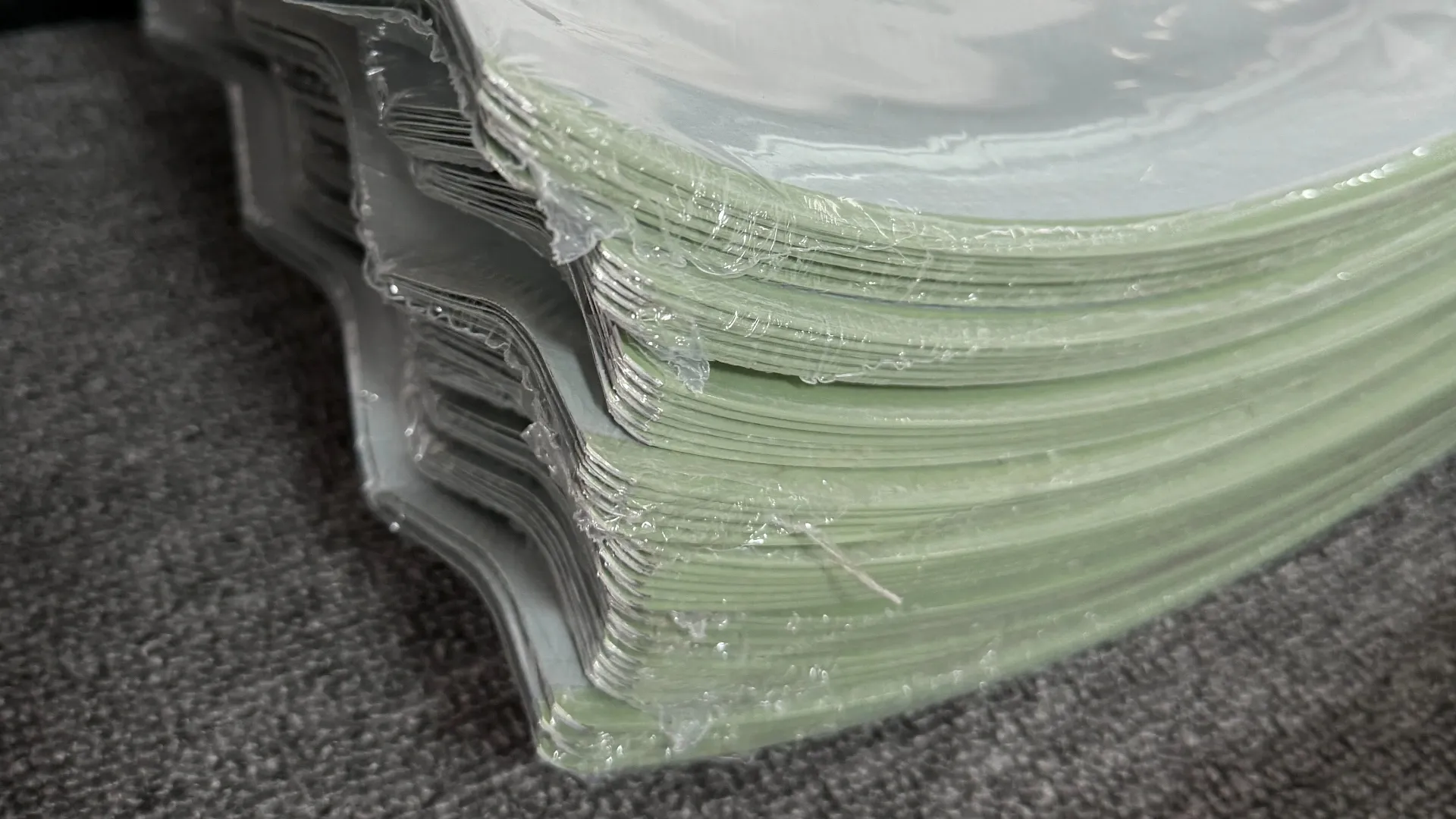
Five Metals, Five Completely Different Products
Metal raised garden beds are not one product—they are five.
304 stainless steel, aluminum alloy, galvanized steel, weathering steel, and color-coated steel may all look like "metal garden beds," but the materials, performance, pricing, and after-sales risks are entirely different. Choose the wrong material, and everything else becomes irrelevant.
First, let's look at a comparison table to build a quick decision framework.
| Material | Main Advantage | Main Risk | Suitable Applications | Expected Outdoor Lifespan |
|---|---|---|---|---|
| 304 Stainless Steel | Rust-proof, high load capacity, safest for growing vegetables | Higher cost, 201 stainless steel may be substituted | Coastal areas, premium commercial projects, vegetable growing | 10–20+ years |
| Aluminum Alloy | Rust-proof, weighs only one-third as much as steel, safe for food-growing applications | Lower strength than stainless steel, large sizes require reinforcement | Balconies, rooftops, roadside barriers | 20+ years |
| Galvanized Steel | Low cost, easy to manufacture | Zinc may leach in acidic soil, coating eventually wears away | Budget-sensitive projects, non-food-growing uses | 3–8 years |
| Weathering Steel | Natural rusted appearance, no coating required | Contains alloying elements such as copper and chromium (composition varies by grade), not ideal for vegetable growing, rust runoff may stain surfaces | Landscaping, parks, artistic installations | 10–30 years |
| Color-Coated Steel (Aluminum-Zinc-Magnesium Base) | Wide color selection, cost-effective | Coatings eventually age and peel, passivation layers may contain chromium | Projects where appearance is important | 7–15 years (depending on topcoat) |
The lifespan estimates above are based on industry experience. Actual performance depends on climate, maintenance, and installation conditions.
Stainless Steel: The Safest Option, But 201 Substitution Is a Common Industry Practice
304 stainless steel is one of the most reassuring materials for metal garden beds. It does not rust, provides high structural strength, and presents virtually no risk for vegetable growing.
The issue is that some manufacturers substitute 201 stainless steel for 304. 201 uses manganese instead of nickel, making it cheaper but significantly less corrosion-resistant. In humid environments or coastal regions, a 201 planter may begin rusting within six months.
Visually, 201 and 304 stainless steel are almost impossible to distinguish. The sample you receive may be made from 304, while the production batch may use 201. Such situations do occur.
Practical recommendation: Require the quotation to clearly specify the stainless steel grade (304 or 316L) rather than simply stating "stainless steel." If the price appears unusually low, ask a simple question: What grade is being used? Can a mill material certificate be provided?
Aluminum Alloy: Lightweight and Safe, But Strength Is Its Weakness
Aluminum alloy planters offer two major advantages: they do not rust, and they weigh only about one-third as much as steel. For balconies and rooftops where weight restrictions matter, aluminum is often the most practical choice.
It is also safe for vegetable growing. Aluminum does not release zinc into soil the way galvanized steel can.
However, aluminum alloy is weaker than stainless steel. At the same thickness, aluminum sidewalls are more likely to deform when filled with soil. We have seen aluminum planters over 50cm high with wall thicknesses around 1.0mm develop noticeable bulging after installation.
Large aluminum planters usually require internal reinforcement frames or structural supports. This is an important detail to confirm during procurement. If a quotation for a large aluminum planter does not mention reinforcement, it is worth asking: How is deformation prevented in larger sizes?
Galvanized Steel: Affordable, But Vegetable Growing Requires Caution
Galvanized steel is one of the most widely used materials in the planter industry. It offers the lowest cost and the simplest manufacturing process.
However, its affordability comes with two risks.
Zinc Leaching
Zinc is an essential micronutrient for plants, but academic research shows that the gap between zinc deficiency and zinc toxicity is relatively narrow. In acidic soils (pH below 6.0), zinc leaching accelerates.
If your customers intend to grow vegetables, galvanized steel planters should ideally include a PE liner, or the soil pH should be maintained above 6.5.
Rust After Coating Damage
The protective performance of galvanized steel depends on the thickness and integrity of the zinc coating. Once the surface is scratched or worn through, the exposed steel substrate can begin rusting.
Weathering Steel: Attractive, But Not Ideal for Vegetable Gardens
Weathering steel (often known as Corten steel) is popular in landscape design because of its natural rusted appearance. It requires no paint, and the rust layer itself becomes protective over time.
To form this protective layer, weathering steel contains alloying elements such as copper and chromium. The exact composition varies by grade—for example, Corten A contains higher copper levels, while Corten B contains higher chromium levels.
These alloying elements may leach under acidic soil conditions. Professional guidance generally recommends using food-grade HDPE liners if weathering steel planters are intended for growing vegetables.
Another commonly overlooked issue is rust runoff. During the first one to two years, before the protective patina fully stabilizes, rainwater may carry rust stains onto surrounding surfaces. On patios, paving stones, or light-colored flooring, these stains can be difficult to remove.
We have seen customers sell weathering steel planters as vegetable beds and later receive complaints—not because of product defects, but because customer expectations did not match actual product behavior.
If your customers are landscape architects or municipal parks departments, weathering steel may be an excellent choice. If they are home gardeners growing vegetables, it is usually not the right option.
Color-Coated Steel: Attractive Colors, But Coatings Are Not Permanent
Color-coated steel is currently one of the most common materials used in metal garden beds worldwide. It offers excellent aesthetics and good value.
However, the term "color-coated" simply means that an organic coating is applied to the surface of the steel.
The color is attached to the metal—it is not part of the metal itself.
Anything attached to the surface will eventually deteriorate. The only question is how long it takes.
Topcoat Lifespan Comparison
| Topcoat Type | Outdoor Lifespan | Fading Begins | Chalking Begins | Relative Cost |
| PE Polyester | 7–8 years | 2–3 years | 5–7 years | Lowest |
| SMP Silicone-Modified Polyester | 10–12 years | 3–5 years | 7–10 years | Medium |
| HDP High-Durability Polyester | 15 years | 5–7 years | 10–12 years | Medium-High |
| PVDF Fluorocarbon | 20+ years | 10+ years | 15+ years | Highest |
The lifespan estimates above are based on industry experience. Actual performance depends on climate, maintenance, and installation conditions.
Industry Reality: Color Comes from the Coil
Factories typically purchase pre-colored steel coils directly from steel mills and then cut, bend, and assemble the planters. The color is determined before manufacturing begins.
This creates two important realities:
- Custom colors require custom coil production, which usually involves high MOQs.
- Custom dimensions create material waste. For example, a factory using a 67cm-wide coil to produce a 60cm-wide panel must trim away 3.5cm from each side.
Powder Coating
Powder coating is generally more durable than standard color coating. It may resist fading, discoloration, and cracking for 5–10 years, with overall service life potentially reaching 20–30 years under normal conditions.
However, it is still an organic coating. Long-term UV exposure will eventually degrade it. If the planter is intended for growing vegetables, a liner is still recommended.
Food-Growing Safety
Anodized aluminum and chemically colored stainless steel have color integrated into the metal itself and are generally considered safer for vegetable growing.
Color-coated and powder-coated products rely on organic surface finishes. PE liners or HDPE panels are recommended if vegetables will be grown inside them.
The Bottom Line on Color
- How is the color created?
Anodizing/chemical coloring = integrated into the metal.
Color coating/powder coating = applied to the surface. - What type of topcoat is used?
PE = fading begins after 2–3 years.
HDP = 5–7 years.
PVDF = 10+ years. - Will your customer grow vegetables?
If yes, anodized or chemically colored metals are the safest choice. Color-coated and powder-coated products should use liners.
Coating performance is one of the biggest factors affecting product lifespan. Learn more in our guide to Rust Prevention and Outdoor Durability for Metal Raised Garden Beds, which explains coating systems, corrosion risks, and outdoor performance expectations.
Packaging and Assembly: Saving Freight Can Cost You Returns
Most Chinese factories use flat-pack packaging.
Flat-pack packaging means consumers must assemble the planter themselves.
And the assembly experience often ends up written in your online reviews.
Common Complaint Categories
| Complaint Type | Typical Issue | Estimated Share |
| Too Thin / Deformed | Bulging walls, collapsing bases, cracked corners | 35–40% |
| Rust | Rusted welds, corrosion after coating failure, rust starting from the bottom | 25–30% |
| Missing Parts | Missing bolts, nuts, washers, unclear instructions | 15–20% |
| Difficult Assembly | Misaligned holes, sharp edges, additional tools required | 10–15% |
| Coating Issues | Scratches, color mismatch, unpleasant odor | 5–10% |
Practical Improvements
- Include approximately 10% extra hardware.
- Pack hardware separately.
- Include a pair of cotton gloves.
- Deburr and round panel edges.
- Add a QR code linking to an assembly video.
- Place foam sheets or PE film between panels.
Assembly experience and packaging quality often have a direct impact on customer reviews and return rates. Read Metal Raised Garden Bed Packaging and Assembly Issues to understand which details are most frequently overlooked during sourcing.
Inspection: What Should You Check Beyond the Quotation?
Sample Inspection
- Color consistency (view under natural light)
- Surface finish quality (especially edges)
- Hardware completeness
- Assembly experience (assemble it yourself)
- Panel thickness (measure with calipers)
Production Inspection
- Color consistency between batches
- Missing hardware
- Coating scratches
- Hole alignment accuracy
Inspection Bottom Line
- Keep a sealed reference sample. It is the only common standard between you and the factory.
- Compare every new batch against the approved sample before shipment.
Many after-sales complaints can be traced back to issues that were visible before shipment. For a detailed breakdown of the defects wholesalers encounter most often, see Common Quality Problems with Metal Raised Garden Beds.
What Should You Check Before Buying Metal Raised Garden Beds?
Material determines corrosion resistance and food-growing safety.
Thickness determines structural strength and deformation risk.
Coatings determine color longevity and long-term safety.
Packaging determines transportation protection and customer satisfaction.
Inspection determines whether production matches expectations.
Inspection determines whether production matches expectations.
Understanding these sourcing risks is the first step. The next challenge is ensuring that suppliers, samples, production batches, and shipments actually meet those requirements. Learn how Scarecrow Reduces Metal Raised Garden Bed Sourcing Risks through supplier screening, sample verification, inspection support, and shipment coordination.
If you are comparing quotations from different factories, send us your target dimensions, panel thickness, sales channel, and customer profile.
Scarecrow can help you verify each detail: whether the thickness is sufficient, which coating is appropriate, whether packaging should be upgraded, and which hidden details may affect your after-sales performance.
Send Your Requirement, We Help You Check the Right Option
Suitable for garden centers, wholesalers, importers, and e-commerce sellers who want to compare products before bulk purchasing.
Written by
ScarecrowGarden
💡About Scarecrow Garden Supplier Co., Ltd.
Scarecrow Garden Supplier Co., Ltd. is a China-based sourcing and wholesale partner specializing in garden tools, landscaping equipment, and outdoor supplies for international wholesalers, distributors, contractors, and brands.
With hands-on experience rooted in real garden use scenarios, we focus on durable materials, functional design, and stable large-volume supply. Our product range covers pruning tools, watering systems, hand tools, outdoor hardware, and customized garden solutions to support both retail and professional landscaping markets.
Beyond products, we help our partners navigate supplier selection, quality control, compliance requirements, and long-term sourcing strategies in China. Through our blog, we share practical insights on product selection, material comparisons, industry trends, and cost-effective purchasing—helping global buyers build stronger, more competitive supply chains.