






wholesale garden supplies flexible MOQ
New garden brands often face a chicken-and-egg problem: without a product range, it is difficult to attract customers; without customers, there is no purchasing volume; without purchasing volume, it is difficult to meet factory MOQ requirements.
As a result, many new brands start with only one or two products. Their product line remains limited, and even when customers arrive, they struggle to retain them. After all, a brand that sells only garden trowels is viewed very differently from a brand that can provide trowels, gloves, plant labels, aprons, and a complete gardening solution.
Flexible MOQ does not primarily solve the question of "how to buy cheaper." Instead, it solves the question of "how to use a limited budget to quickly build enough SKUs so customers perceive you as a brand with a complete product range."
This article helps new brands understand how to expand from 5 SKUs to 30 SKUs, which product categories should be introduced first, how the cost structure of flexible MOQ purchasing works, and which common mistakes should be avoided.
Why a Product Range Matters More Than a Single Best-Selling Product
When garden centers, distributors, and e-commerce sellers look for suppliers, they usually prefer partners that can solve multiple category needs through one source rather than suppliers offering the lowest price on a single item.
The reasons are simple:
- Managing one supplier is easier than managing ten suppliers.
- Mixed-container shipments across multiple product categories reduce logistics costs compared with separate purchases.
- Brands with a complete product range are easier to remember and recommend.
Which brand is more likely to be selected by a garden center?
- A brand that only sells pruning shears
- A brand that provides pruning shears, gloves, aprons, plant labels, and tool kits
The answer is obvious.
The Path from 5 SKUs to 30 SKUs
| Stage | SKU Quantity | Objective | Product Selection Strategy |
|---|---|---|---|
| Step 1 | 5-8 SKUs | Build core categories and validate the market | Choose 1-2 core categories that cover a complete use scenario |
| Step 2 | 15-20 SKUs | Expand related categories and increase cross-selling | Extend from core categories into complementary products |
| Step 3 | 25-30 SKUs | Build a complete product line and become a one-stop supplier | Add seasonal products and OEM-customized products |
Which Categories Should New Brands Start With?
Step 1: Choose 1-2 Core Categories That Cover a Complete Use Scenario
The key criterion for selecting a core category is simple:
Can this category naturally extend into a group of complementary products?
Recommended Core Category: Seed Starting Products
The reason is that seed starting products naturally form a complete product ecosystem.
Mini greenhouses, heat mats, LED grow lights, seed trays, plant labels, trowels, and watering cans are typically used together. Customers rarely purchase only one of these products.
| Product | Suggested SKUs | Selection Considerations | Why It Is Essential |
|---|---|---|---|
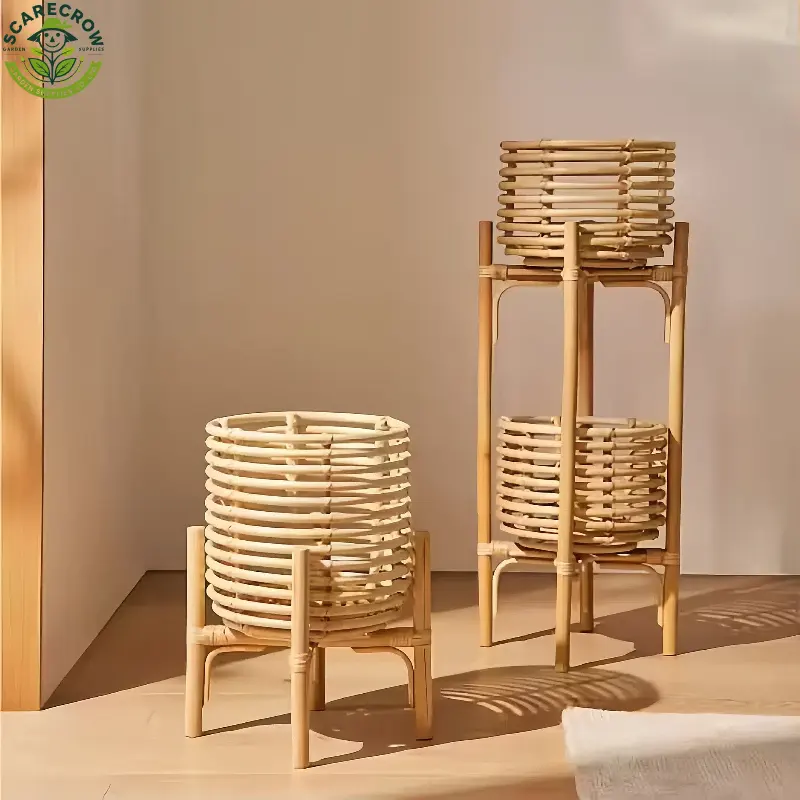
| Desktop Mini Greenhouse | SKU-A: Ventilated model with adjustable shelves; SKU-B: Multi-tier floor-standing greenhouse rack | Foldable design reduces shipping volume | Core container for seed starting |
| Heat Mat | SKU-A: Standard version, 10" × 20.75", raises temperature approximately 10-20°F above ambient; SKU-B: Thermostat-controlled version with separate controller | Standard size compatible with seed trays | Essential for winter seed starting |
| Seed Trays | 2-3 SKUs: 24-cell, 48-cell, 72-cell | Stackable design saves shipping space | Suitable for growers of different scales |
| Plant Labels | SKU-A: Waterproof labels; SKU-B: Rewritable chalk labels | Combination of waterproof and chalk labels | For marking varieties and planting dates |
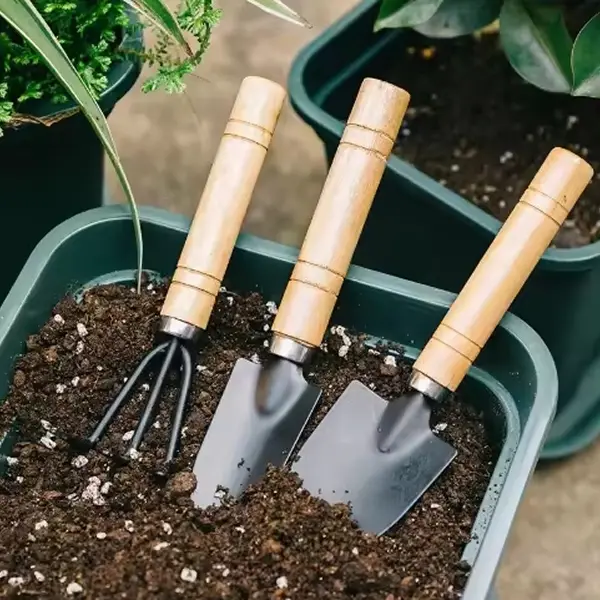
| Garden Trowels | SKU2509002: Compact model (16-18.5cm); SKU2509008: 4mm blade thickness, multiple weight options from 90-400g | Compact size suitable for seedling work | Used for sowing and transplanting |
Five product categories and 8-10 SKUs already form the foundation of a first-stage product range.
Step 2: Extend into Complementary Categories
What else do seed-starting customers need?
| Product | Suggested SKU | Key Features | Connection to Core Category |
|---|---|---|---|
| Gardening Gloves | SKU2509108: Nitrile-coated palm, anti-slip surface, breathable moisture-wicking liner | Lightweight yet durable for long periods of use | Hand protection during sowing and transplanting |
| Pruning Shears | SKU2509003: Lightweight 105g model with safety lock and mirror-polished finish; SKU2509010: 30mm cutting capacity for thicker branches | Lightweight model for daily pruning, heavy-duty model for fruit trees | Thinning seedlings and pruning |
| Garden Mat | SKU-A: Waterproof fabric with corner snap design | Flat when opened, raised edges when snapped to contain soil | Indoor repotting and seed-starting work |
| Gardening Apron | SKU-A: Oxford fabric, multi-pocket, customizable logo; SKU-B: Heavy-duty canvas version | Oxford fabric for daily gardening, canvas for heavy-duty use | Tool storage and clothing protection |
| Indoor Watering Can | SKU2509064: 3-10L capacity, plastic construction, customizable logo | Long spout allows precise watering of seedlings | Daily watering |
Adding these five complementary categories expands the product range to approximately 15-20 SKUs.
The advantage of these categories is that they are not limited to seed-starting season and generate demand throughout the year.
Three Criteria for Expanding Product Categories
Not every category is worth expanding into during the early stage.
Evaluate complementary categories using these three criteria:
| Evaluation Standard | Explanation | Example |
|---|---|---|
| Does the use scenario overlap? | Do customers need this product while performing seed-starting activities? | Gloves ✅, Aprons ✅, Lawn mowing tools ❌ |
| Is the product logistics-compatible? | Can it be shipped together with core products efficiently? | Labels and gloves fit into packaging gaps ✅; stackable flower pots can contain smaller items ✅ |
| Is demand year-round? | Is the product limited by seed-starting season? | Pruning shears ✅, Watering cans ✅, Heat mats ⚠️ |
The core principle is:
Prioritize categories that combine overlapping use scenarios, shipping compatibility, and year-round demand.
This creates a balanced product range containing both seasonal best-sellers and year-round staple products.
Step 3: Add Seasonal Categories and OEM Products
Once core and complementary categories are established, consider adding:
- Summer products: Shade cloth, spray bottles, sun-protection gardening gloves
- Autumn products: Pruning tools, leaf collection bags
- Holiday products: Garden gift sets (apron + gloves + pruning shears + labels)
- OEM products: Aprons, gloves, labels, and packaging boxes printed with your brand logo
Understanding the Cost Structure of Flexible MOQ Purchasing
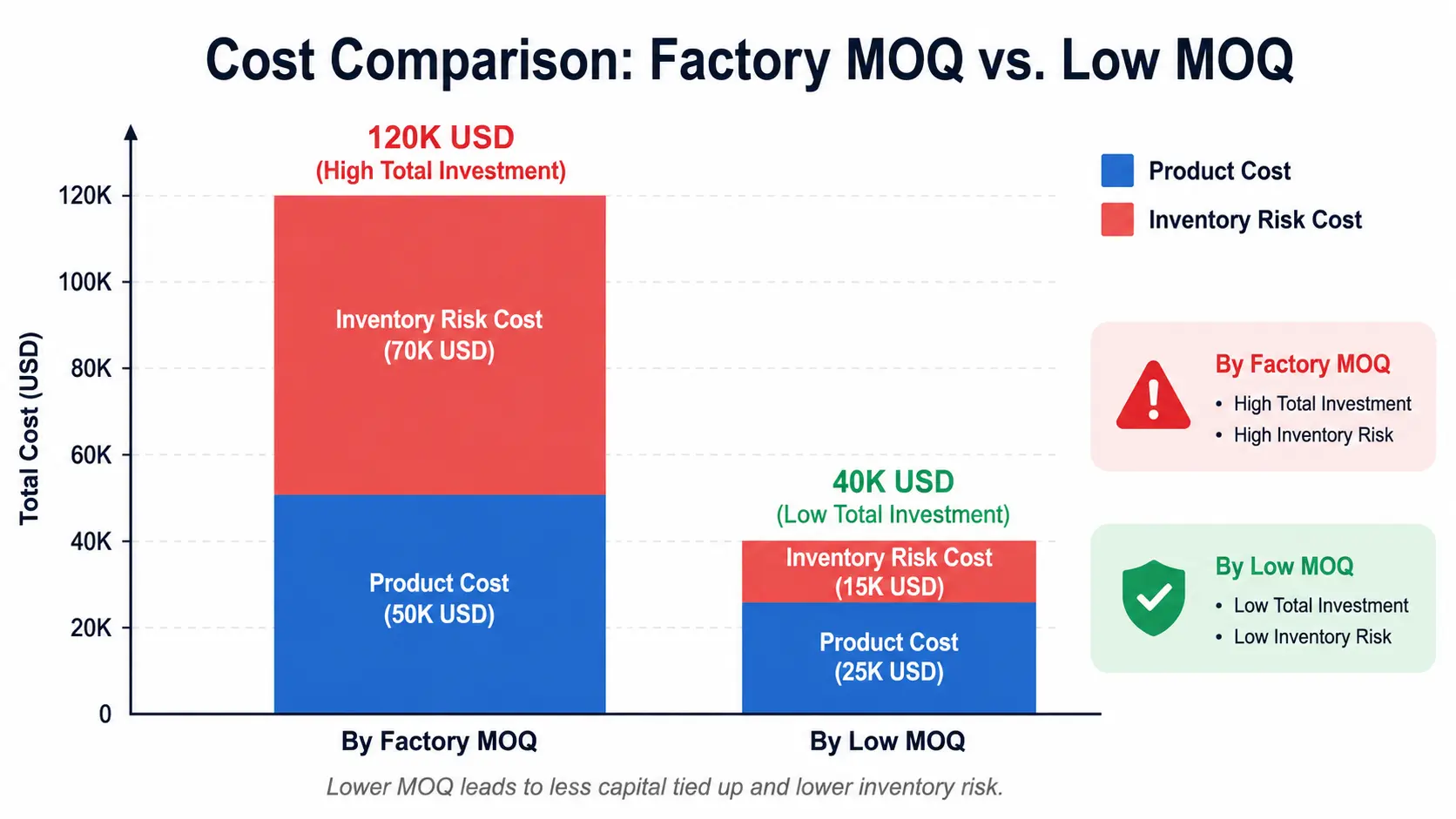
Flexible MOQ does not mean the unit price remains unchanged.
Small-volume purchases are typically 10%-20% more expensive than larger orders.
However, the important figure is total cost rather than unit cost.
| Comparison | Factory MOQ Purchase | Flexible MOQ Purchase |
|---|---|---|
| Unit Price | Lower | Typically 10%-20% higher |
| Total Purchase Quantity | Often 4-5 times actual demand | Only what you need |
| Total Investment | High; excess inventory may remain unsold | Lower; test before scaling |
| Inventory Risk | High | Low |
| Cash Flow | Slow | Faster |
Flexible MOQ purchasing reduces total investment and inventory risk.
Even if one category performs poorly, losses remain manageable.
Successful categories can be reordered at larger volumes later, reducing future unit costs.
Difficulty of Achieving Flexible MOQ by Product Category
Not every category can easily support low MOQ purchasing.
| Category | Difficulty | Typical Flexible MOQ | Reason |
|---|---|---|---|
| Plant Labels | ⭐ Easy | 500-1000 pieces | Lightweight and simple production |
| Gardening Gloves | ⭐ Easy | 100-200 pairs | Highly standardized products |
| Aprons | ⭐⭐ Relatively Easy | 100-200 pcs | Sewing-based production suitable for small batches |
| Garden Trowels | ⭐⭐ Relatively Easy | 200-500 pcs | Metal stamping but existing molds available |
| Pruning Shears | ⭐⭐⭐ Moderate | 200-500 pcs | Assembly and adjustment increase labor cost |
| Heat Mats | ⭐⭐⭐ Moderate | 100-200 pcs | Electronic testing requirements |
| Indoor Watering Cans | ⭐⭐⭐ Moderate | 200-500 pcs | High mold costs but standard molds can be shared |
| LED Grow Boxes | ⭐⭐⭐⭐ Difficult | 50-100 pcs | Multiple components and certification requirements |
| Mini Greenhouses | ⭐⭐⭐⭐⭐ Most Difficult | 30-50 pcs | Complex assembly, packaging, and shipping volume |
Three Ways to Obtain Better Flexible MOQ Terms
1. Use Mixed Orders to Reduce MOQ
Combining orders across five product categories can help reach factory minimum order thresholds while reducing quantities required for each individual category.
This is one advantage of working with a one-stop sourcing partner, where orders from multiple customers may be consolidated.
→Learn more about the superiority of Mix Orders
2. Start with Standard Products Before Customization
The first order should focus on existing factory products that do not require tooling or mold development.
After validating demand, move into OEM customization.
Plant labels and aprons are often ideal starting points because customization opportunities are significant while costs remain relatively low.
3. Build Trust Through Easier Categories
Begin with categories such as labels and gloves.
Once factories see reliable communication and payment performance, they are often more willing to negotiate flexible MOQ arrangements for products such as heat mats and greenhouses.
Key Details to Confirm Before Purchasing
| Checkpoint | What Buyers Should Confirm | Why It Matters |
|---|---|---|
| Specific Flexible MOQ Levels | How low MOQ can go for each category | Difficulty varies significantly by product type |
| Unit Price Difference | How much more small-volume purchases cost | Total cost matters more than unit price |
| OEM MOQ Requirements | MOQ for labels, aprons, packaging, etc. | Multiple custom projects increase complexity |
| Product Compatibility | Tray size vs. heat mat size, shelf spacing vs. grow light dimensions | Prevents mismatched product sets |
| Brand Consistency | Packaging and visual identity across categories | Creates a professional brand image |
Common Purchasing Risks and How to Reduce Them
| Risk | Why It Happens | How to Reduce It |
|---|---|---|
| Expanding into all categories immediately | Capital and inventory become too fragmented | Focus on 1-2 core categories first |
| Choosing products solely because they are cheap | Accessories alone rarely attract customers | Use core products to generate demand |
| Customizing everything at once | MOQ and communication costs increase rapidly | Start with 1-2 customized products |
| Ignoring product compatibility | Components do not fit together properly | Physically verify all products as a complete set |
Frequently Asked Questions
Q: What budget is required for a first purchase?
It depends on the selected categories and quantities.
A starter combination consisting of five product categories with flexible MOQ quantities can usually be launched with a relatively modest investment.
We recommend first defining your target customers and pricing strategy. We can then organize suitable product options, materials, packaging methods, MOQ requirements, and mixed-order possibilities.
Q: How much more expensive is flexible MOQ purchasing?
Typically 10%-20% higher on a unit-price basis.
However, total cost—including inventory risk and capital utilization—is often significantly lower.
Once a category proves successful, future orders can be scaled up to reduce unit costs.
Q: What is required for OEM customization?
- Logo file (vector format such as AI or EPS)
- Brand color references (Pantone codes)
- Font files
- Customization instructions (printing position, size, content)
We recommend starting with one or two products, such as labels and aprons, before expanding further.
Small pilot production runs are advisable for initial customized orders.
Q: How do we decide which SKUs to keep or discontinue?
Evaluate three key metrics:
| Metric | Healthy Signal | Warning Signal | Recommended Action |
|---|---|---|---|
| Sales Velocity | Stable or growing monthly sales | Declining sales for two consecutive months | Review seasonality, then replace if necessary |
| Cross-Selling Rate | Customers purchase multiple categories | Customers buy only one item | Improve bundle strategy |
| Customer Feedback | Mostly 4-star and above reviews | Quality-related complaints | Replace supplier or product version |
Some SKUs, such as plant labels and gloves, may not sell in large volumes individually but generate strong cross-selling opportunities.
These products often function as traffic-driving items and should not be removed solely due to lower standalone sales.
Q: Will flexible MOQ orders have longer lead times?
Not necessarily.
Lead time depends primarily on production requirements rather than order quantity.
However, smaller orders may receive lower scheduling priority at factories.
Consolidating demand through a sourcing partner can improve production scheduling priority.
How We Support Buyers
Scarecrow Garden Supplier helps new garden brands and small distributors build product ranges with flexible MOQ from China. We focus on practical garden products, seasonal product combinations, packaging coordination, product checking, and consolidated shipment support.
If you are building a product range through flexible MOQ purchasing, we can help with:
- Product planning and expansion strategy — Based on your target customers and pricing level, we organize suitable products, materials, packaging options, MOQ requirements, and mixed-order opportunities.
- Sample coordination — Through our dual-sample process, all samples are collected and shipped together. Small parcels are sent via UPS or FedEx international courier, while larger products can be arranged through door-to-door logistics.
- Warehouse repacking and bundle assembly — Our own warehouse can combine multiple categories into ready-to-sell product bundles. For example, a greenhouse + heat mat + seed tray + plant labels + trowel can become a Seed Starting Gift Set, while a trowel + gardening mat + gloves can become a Repotting Kit. Under flexible MOQ purchasing, individual products may have limited margins, but bundled sets can often increase retail pricing by 30%-50%. This capability is not commonly available through most sourcing agents. Bundle Strategy Recommendation: New brands should begin with Mixed Bundling, selling both individual products and bundled sets. Individual items serve customers who need replacements, while bundles provide a one-stop solution for beginners. Once bundle sales become stable, brands can explore Pure Bundling, where selected high-margin combinations—such as holiday gift sets—are sold only as complete packages to increase average order value.
- Multiple SKUs per category with small mixed shipments — Unsure which style will sell best? Select 2-3 SKUs per category with low quantities and ship them together through our warehouse. Increase successful SKUs in future orders and replace slow-moving products early.
- Continuous new product recommendations — We monitor seasonal garden trends and popular product categories, helping ensure your product line remains competitive without expanding blindly.
- OEM customization coordination — Starting with labels and aprons, where branding opportunities are significant, costs remain manageable, and brand visibility is highly effective. We coordinate packaging design, sampling, and approval processes.
Simplify Your Garden Product Sourcing from China
We help you combine multiple product categories into one sourcing flow with supplier matching, sample verification, and consolidated shipping.
Written by
ScarecrowGarden
💡About Scarecrow Garden Supplier Co., Ltd.
Scarecrow Garden Supplier Co., Ltd. is a China-based sourcing and wholesale partner specializing in garden tools, landscaping equipment, and outdoor supplies for international wholesalers, distributors, contractors, and brands.
With hands-on experience rooted in real garden use scenarios, we focus on durable materials, functional design, and stable large-volume supply. Our product range covers pruning tools, watering systems, hand tools, outdoor hardware, and customized garden solutions to support both retail and professional landscaping markets.
Beyond products, we help our partners navigate supplier selection, quality control, compliance requirements, and long-term sourcing strategies in China. Through our blog, we share practical insights on product selection, material comparisons, industry trends, and cost-effective purchasing—helping global buyers build stronger, more competitive supply chains.