






Updated 4 months ago
How Small and Medium-Sized Garden Distributors Can Use Mixed Orders to Test the Spring Market at Lower Cost

ScarecrowGarden
💡About Scarecrow Garden Supplier Co., Ltd.
Scarecrow Garden Supplier Co., Ltd. is a China-based sourcing and wholesale partner specializing in garden tools, landscaping equipment, and outdoor supplies for international wholesalers, distributors, contractors, and brands.
With hands-on experience rooted in real garden use scenarios, we focus on durable materials, functional design, and stable large-volume supply. Our product range covers pruning tools, watering systems, hand tools, outdoor hardware, and customized garden solutions to support both retail and professional landscaping markets.
Beyond products, we help our partners navigate supplier selection, quality control, compliance requirements, and long-term sourcing strategies in China. Through our blog, we share practical insights on product selection, material comparisons, industry trends, and cost-effective purchasing—helping global buyers build stronger, more competitive supply chains.
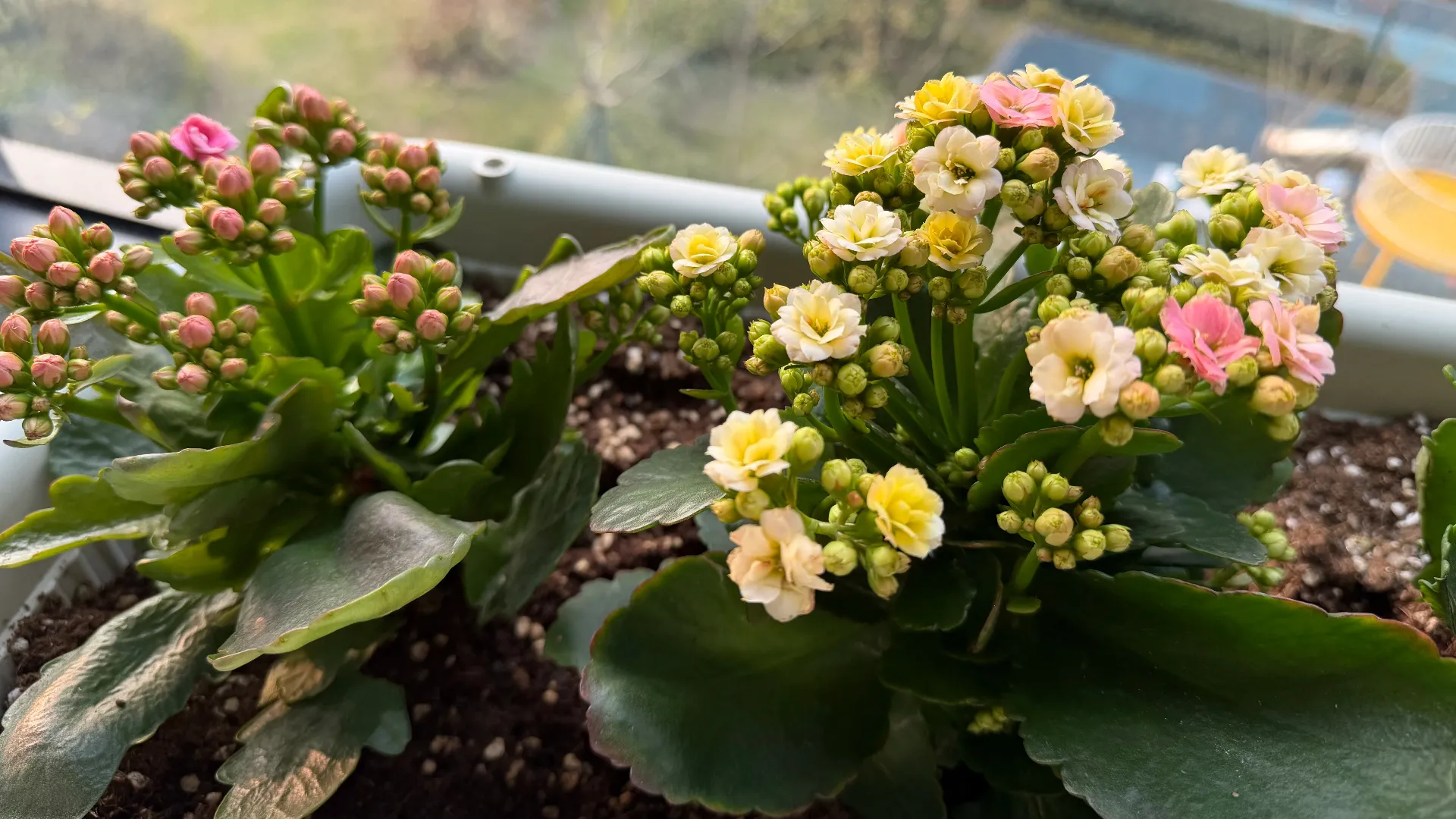
Wholesale Garden Supplies: How to Reduce Risk via Mixed Orders
For garden distributors that need more than three product categories at the same time but do not require a large quantity of each individual category, mixed orders offer a practical purchasing method. A mixed order means combining multiple product categories into one purchasing plan, ordering a small quantity of each category, and consolidating them into one complete shipment.
The core problem it solves is not simply “how to buy cheaper,” but “how to test more product directions with lower inventory risk” — especially when the factory MOQs of five different categories are added together and the total purchase volume becomes far higher than your actual demand.
This article helps garden distributors, regional wholesalers, and e-commerce sellers understand whether mixed orders are suitable for their purchasing situation, which product categories are suitable for combined purchasing, how to plan the first order, and how to avoid common trial order mistakes.
What Is a Mixed Order, and How Is It Different from Placing Separate Orders?
A mixed order means combining multiple product categories into one purchasing plan. Each category can start with a smaller quantity, while one coordinator manages product collection, checking, consolidation, and shipment.
The traditional purchasing method is: ordering 500 greenhouses from one factory, 1,000 heating mats from another factory, and 5,000 plant labels from a third factory. When the MOQs of three categories are added together, the total purchase quantity may become three to five times higher than what you actually need.
The logic of a mixed order is different. It combines the demand for five categories — such as greenhouses, heating mats, plant labels, garden trowels, and gloves — into one purchasing plan. Each category is ordered only in the quantity you need, and one coordinator handles collection, checking, consolidation, and shipment.
This is not the same as “finding a trading company.” Many trading companies simply pass your order to factories, while the MOQ and lead time are still decided by the factories. The key to a mixed order is having a coordinator with deep experience in the garden industry. This coordinator understands supplier resources in each category, can help you combine multiple product categories with more flexible order quantities, and can complete centralized checking and consolidation in its own warehouse.
Which Buyers Are Suitable for Mixed Orders?
| Buyer Type | Typical Pain Point | What Mixed Orders Can Solve |
|---|---|---|
| Small and medium-sized distributors | They need more than three categories at the same time, but the quantity of each category is not large. When MOQs are added together, inventory pressure becomes heavy. | Each category can start with a smaller quantity, reducing the trial-and-error cost of the first purchase. |
| Regional wholesalers | Only one or two people handle purchasing, and they do not have the time or energy to manage five to eight suppliers at the same time. | One coordinator handles communication, reducing the number of suppliers that need to be managed. |
| E-commerce sellers | They are entering the seed starting category for the first time, are unsure about market response, and want to test with a small batch first. | They can launch enough SKUs at a lower cost and scale up after validation. |
| Garden centers | They need OEM customization, such as packaging, labels, and aprons, and want a unified brand style. | One coordinator manages OEM customization across categories to keep the brand style consistent. |
Mixed orders are not suitable in the following situations: you only need one or two categories and the quantity of each category is already large enough; you already have a stable supplier network; or a single product can already fill a container by itself.
A simple way to judge: if you currently purchase more than three categories from China, and the annual purchase amount of each category is below USD 50,000, mixed orders will most likely help you reduce purchasing complexity and inventory risk.
Product Categories Suitable for Spring Mixed Orders
The following categories are suitable for combined purchasing in spring market mixed orders:
| Category | Core Spring Products | Typical Factory MOQ | Reference Starting Quantity for Mixed Orders |
|---|---|---|---|
| Small greenhouses | SKU-A: tabletop model with vents and adjustable shelves; SKU-B: floor-standing multi-layer greenhouse rack | 200–500 pcs | 50–100 pcs per SKU |
| Heating mats | SKU-A: standard model, 10" × 20.75", fixed temperature rise about 10–20°F above room temperature; SKU-B: thermostat model with separate controller for precise temperature setting | 500–1,000 pcs | 100–200 pcs per SKU |
| LED seed starter kits | Tabletop full-spectrum model with timer | 300–500 pcs | 50–100 pcs per model or color |
| Seed trays / plug trays | 24-cell, 48-cell, 72-cell | 1,000–2,000 pcs | 200–500 pcs per model |
| Plant labels | Waterproof labels, chalkboard labels | 5,000–10,000 pcs | 1,000–2,000 pcs per color or style |
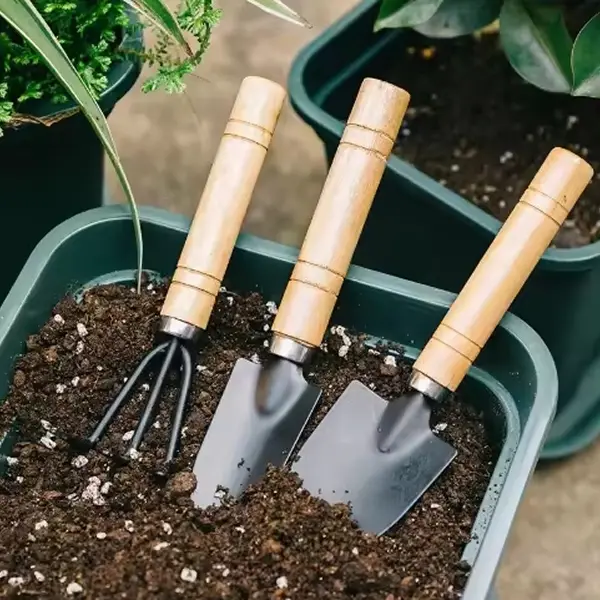
| Garden trowels / transplanters | Mirror-polished stainless steel, ergonomic handle | 1,000–2,000 pcs | 200–500 pcs per style |
| Pruning shears | Stainless steel with safety lock / SK5 high-carbon steel | 1,000–2,000 pcs | 200–500 pcs per style |
| Indoor watering cans | Long-spout design, BPA-free | 500–1,000 pcs | 100–300 pcs per model or style |
| Gardening gloves | Nitrile-coated, breathable style | 1,000–2,000 pairs | 200–500 pairs per model or style |
| Garden mats | Waterproof, rollable, 50 × 70 cm | 500–1,000 pcs | 100–300 pcs per model or color |
| Aprons | Canvas / Oxford fabric, multi-pocket design | 500–1,000 pcs | 100–300 pcs per model or color |
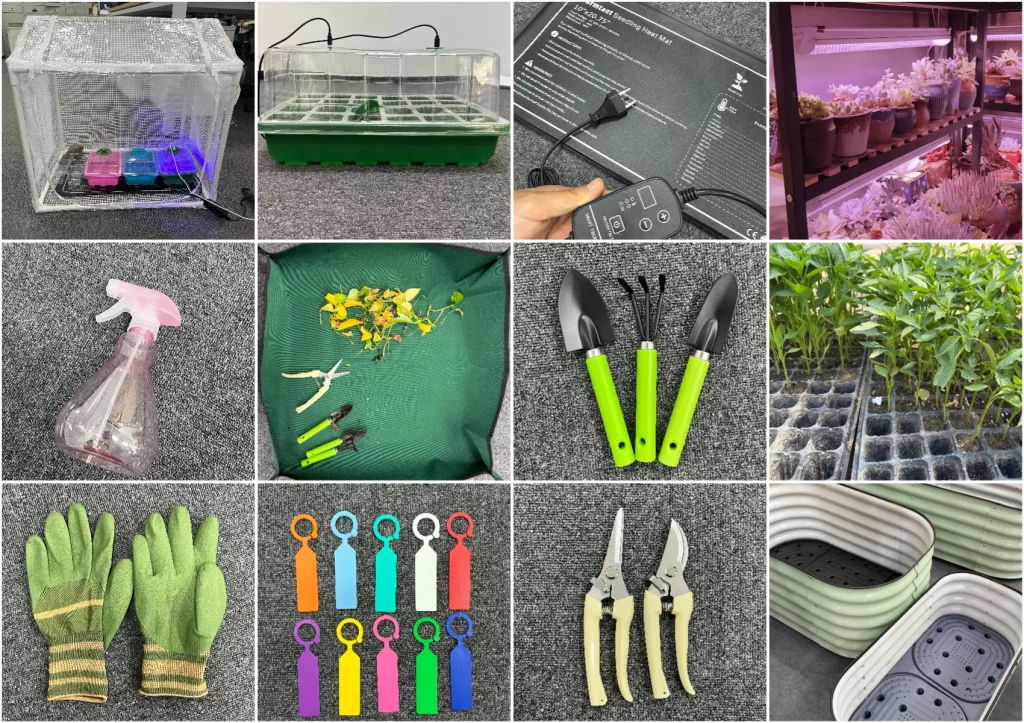
Note: The mixed order starting quantities above are reference ranges only. Actual quantities depend on the specific product specifications, suppliers, and total order volume. The final quantity needs to be confirmed based on your purchasing plan.
Key Details to Confirm Before Purchasing
Mixed orders involve multiple product categories, so confirmation before purchasing is more important than in single-product orders. Buyers should check the following points one by one before confirming an order:
| Purchasing Checkpoint | What Buyers Should Confirm | Why It Matters |
|---|---|---|
| Product size matching | Whether the heating mat size matches the seed tray; whether the greenhouse shelf spacing can fit the LED seed starter kit | Size mismatch is one of the most common purchasing mistakes. Customers may only discover after delivery that “the heating mat is smaller than the seed tray.” |
| Material and workmanship | Whether the garden trowel is stainless steel and rust-resistant; whether the pruning shears have a safety lock; whether the watering can is BPA-free | Material directly affects product lifespan and end-customer satisfaction. |
| OEM customization needs | Label printing content, apron logo position and color, packaging box artwork | Customizing five categories at the same time will increase MOQ and communication costs. It is better to start with one or two categories first. |
| Production cycle of each category | Greenhouses: 25–35 days; labels: 10–20 days; LED lights: 30–40 days | Production cycles vary greatly. The coordinator needs to arrange order timing so all products arrive together. |
| Packaging method | Whether greenhouses are disassembled and flat-packed; the volume of LED seed starter kits after stacking; whether small items can be placed inside flower pots | Packaging method directly affects consolidation efficiency and freight cost. |
| Sample confirmation method | Dual-sample mechanism: one sample is sent to you for confirmation, and one is kept in the warehouse as the bulk order checking reference | Inconsistency between samples and bulk goods is one of the most common risks in international purchasing. Keeping a reference sample allows the warehouse to intercept problems before shipment. |
| Secondary packaging needs | Whether multiple products need to be combined into gift boxes or kit packaging; whether the inner tray, dividers, and labels need customization | An owned warehouse can support secondary packaging, such as combining a trowel, garden mat, and gloves into a gift box, or repacking products according to retail needs. This is a capability that most sourcing agents do not have. |
Recommended Product Combination Plans
Below are three mixed order combination plans for the spring market, covering different customer types and budgets.
Plan 1: Entry-Level Seed Starting Test Combination
Target customers: Regional distributors and small garden centers entering the seed starting category for the first time
Positioning: A low-cost spring market testing plan
| Product | Suggested Quantity | Selection Points |
|---|---|---|
| Tabletop small greenhouse, SKU-A | 50 pcs | With vents and adjustable shelves; disassembled flat packaging; users can assemble it within 15 minutes |
| Standard heating mat, SKU-A, 10" × 20.75" | 100 pcs | Fixed temperature rise about 10–20°F above room temperature, waterproof, matched with seed tray size |
| Seed tray, 48-cell | 500 pcs | Biodegradable material option available |
| Waterproof plant labels | 1,000 pcs | Supports OEM printing |
| Mini garden trowel | 200 pcs | Stainless steel, ergonomic handle; SKU2509002: compact 16–18.5 cm size |
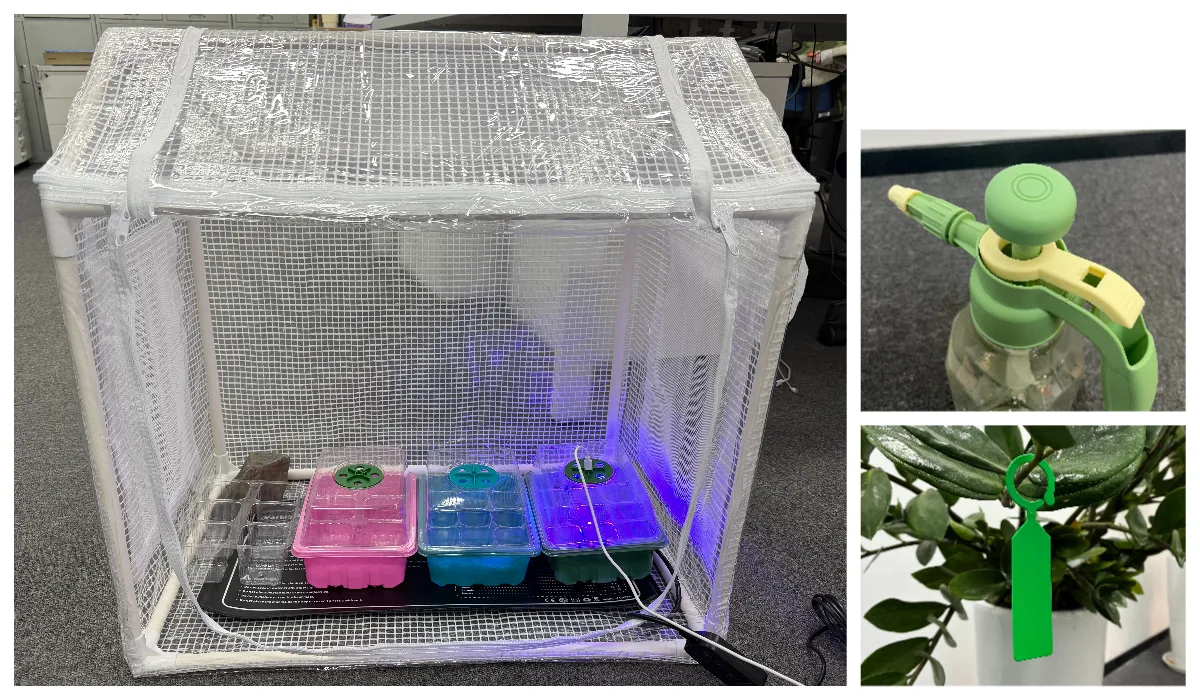
Combination logic: This plan covers the basic seed starting process: sowing, warming, labeling, and handling. The total number of SKUs is limited, inventory risk is low, and it is suitable for testing the demand strength of the local seed starting market.
Plan 2: Full-Process Seed Starting Station Combination
Target customers: Wholesalers and garden centers that already have a seed starting product base and want to expand their product line
Positioning: A complete product solution from sowing to transplanting
| Product | Suggested Quantity | Selection Points |
|---|---|---|
| Tabletop small greenhouse, SKU-A + floor-standing multi-layer greenhouse rack, SKU-B | 50 pcs each | SKU-A is suitable for windowsills and tabletops; SKU-B is suitable for growers with more space. The two sizes cover different customer groups. |
| Standard heating mat, SKU-A + thermostat heating mat, SKU-B | 100 pcs each | SKU-A has a fixed temperature rise and is suitable for mild regions; SKU-B comes with a separate thermostat and is suitable for colder regions, such as Northern Europe and Canada. |
| LED seed starter kit | 50 pcs | Full-spectrum, with timer |
| Seed trays, 24-cell + 72-cell | 200 pcs each | Larger cells are suitable for beginners; smaller cells are suitable for more advanced users. |
| Plant labels, waterproof + chalkboard | 1,000 pcs each | Two label types fit different usage scenarios. |
| Indoor watering can | 200 pcs | Long-spout design, BPA-free material; SKU2509064: 3–10 L plastic model |
| Garden trowel + transplanter | 200 pcs each | Same-series design |
| Pruning shears | 100 pcs | Stainless steel blade with safety lock; SKU2509003: lightweight 105 g model |
| Gloves | 300 pairs | Breathable and touchscreen-compatible |
| Garden mat | 100 pcs | Waterproof, rollable, 50 × 70 cm |
Combination logic: This plan covers the full seed starting process — preparing the environment, sowing, daily care, and transplanting. Products can be sold as kits, such as a “full-function seed starting station,” or sold separately as individual items.
Plan 3: Indoor Gardening Category Expansion Combination
Target customers: Distributors and e-commerce sellers who want to expand from outdoor tools into indoor gardening products
Positioning: An indoor gardening product line that can sell outside the seed starting season
| Product | Suggested Quantity | Selection Points |
|---|---|---|
| Garden mat | 200 pcs | Waterproof, with corner snap-button design |
| Indoor watering can | 300 pcs | Combines appearance and function |
| Gardening apron | 200 pcs | Canvas / Oxford fabric, multi-pocket design, customizable logo |
| Gloves | 500 pairs | Nitrile coating with breathable lining |
| Plant labels | 2,000 pcs | Combination of chalkboard labels and waterproof labels |
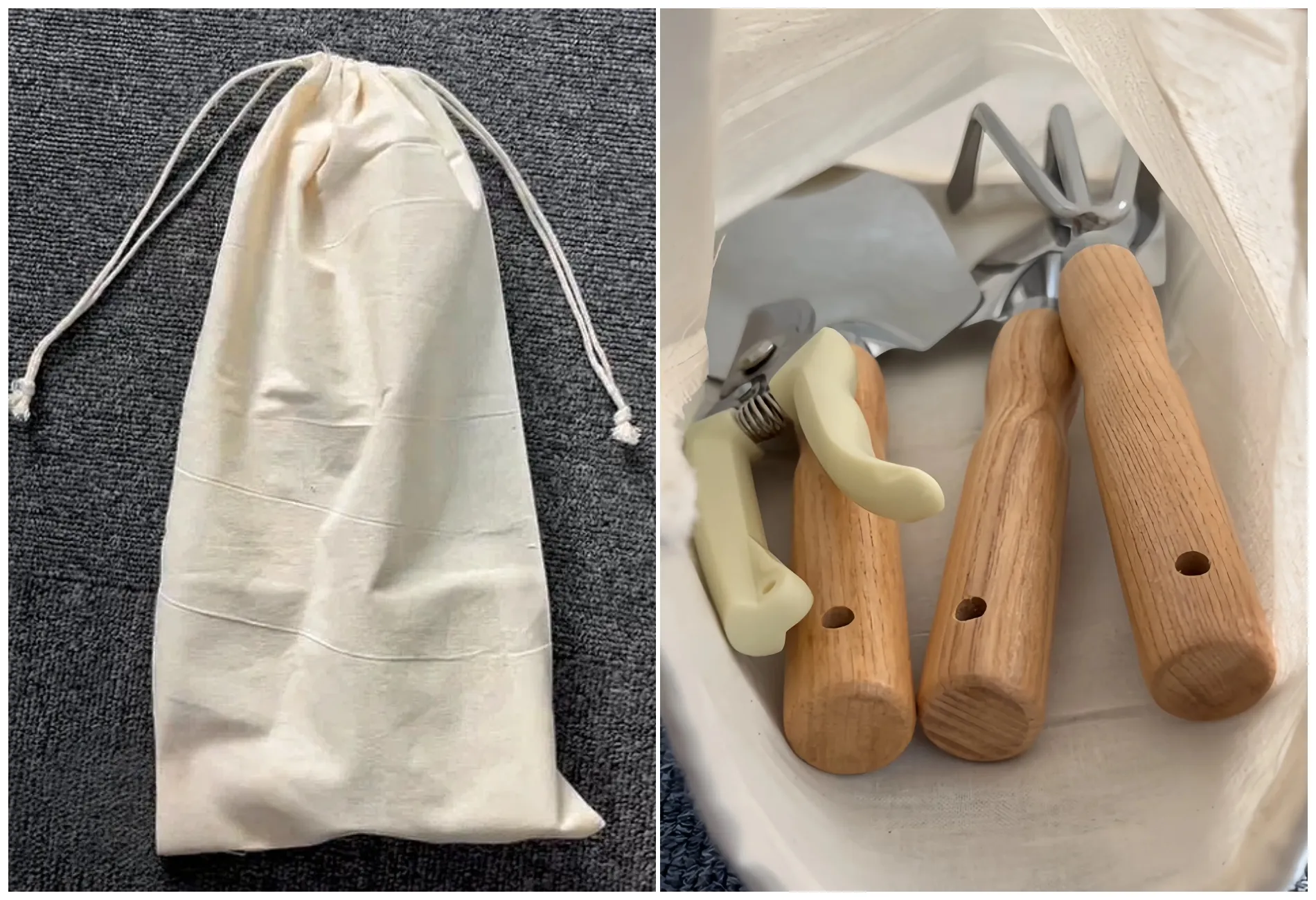
| Mini 3-piece tool set | 200 sets | Trowel + rake + transplanter |
Combination logic: This group of products is not limited by the seed starting season. Indoor repotting, daily plant care, and balcony gardening have year-round demand. Aprons and gloves support OEM customization and can serve as an entry point for branding.
Common Purchasing Risks and How to Reduce Them
| Risk | Why It Happens | How to Reduce It |
|---|---|---|
| Ordering each category according to the factory MOQ | Buyers assume MOQ is a fixed threshold and do not ask whether a smaller quantity is possible | Through coordinated purchasing, the starting quantity of each category can be reduced to 20%–50% of the factory MOQ. |
| Requesting samples separately from multiple suppliers | Each factory sends samples separately, and shipping may cost about USD 100 each time. Ten suppliers may cost USD 1,000 in total. | All samples can be collected at the coordinator’s warehouse and shipped together, reducing sample shipping cost from about USD 1,000 to about USD 100. |
| Samples and bulk goods are inconsistent | No reference standard is kept after sample confirmation, so bulk production cannot be checked properly | Use a dual-sample mechanism: one sample is sent to you for confirmation, and one is kept in the warehouse as the bulk order checking reference. |
| Arrival times of different categories are not coordinated | Greenhouses take 35 days, labels take 15 days, and LED lights take 40 days. If orders are placed on the same day, arrival times may differ by 20 days. | The coordinator works backward based on production cycles and arranges order timing so all products arrive together. |
| Looking only at unit price and ignoring coordination cost | Factory A may be 5% cheaper than Factory B, but it requires additional hidden costs for communication, inspection, and shipment coordination | For small and medium-sized distributors, reducing the number of suppliers to manage is itself a form of cost saving. |
Packaging and Retail Display Suggestions
After a mixed order arrives, how can the products be sold more effectively in stores or online channels? Below are three display ideas for different scenarios.
Garden Centers: Organize Displays Around the “Planting Journey”
Do not display products only by category. Arrange greenhouses, heating mats, seed trays, labels, and trowels along the flow of “preparing the environment → sowing → caring → transplanting.” When customers follow this journey, they naturally understand what products they need at each stage.
Place a simple seed starting calendar card at the entrance of the display area. It tells customers what to sow now and when to transplant. This is not just information — it is also a trigger for immediate purchase.
E-Commerce Sellers: Focus on Kits, Supported by Individual Products
Online customers cannot touch the products, so the “all-in-one” value of a kit is stronger than in offline channels. Products from Plan 2 can be divided into two or three kits:
- “Beginner Seed Starting Kit”: seed tray + labels + watering can + trowel
- “Full-Function Seed Starting Station”: greenhouse + heating mat + LED light + full tool set
- “Indoor Repotting Set”: garden mat + gloves + apron + watering can
The gross margin of kits is usually higher than selling individual products, and it also reduces the risk of direct price comparison because your kit combination is unique.
Regional Distributors: Provide “Seasonal Product Packs”
Package the products in the mixed order into a “Spring Seed Starting Product Pack” and offer it directly to your downstream customers, such as independent garden centers, hardware stores, and agricultural supply stores. Include simple product selection suggestions and display guidance inside the pack to help downstream customers quickly put the products on shelves.
Frequently Asked Questions
Q: How long is the delivery cycle for a mixed order?
From order confirmation to product arrival at the destination port, the typical cycle is 60–75 days, including production, quality checking, and sea freight. If you plan to start selling in February, the order should be confirmed no later than October. Since different categories in a mixed order have different production cycles, the coordinator will arrange them together to ensure that all products arrive at the same time.
Q: Can mixed orders support OEM customization?
Yes. Plant labels, aprons, gloves, and packaging boxes are good entry points for OEM customization because they offer flexible customization space, relatively low cost, and clear brand exposure. Aprons can support logo printing or embroidery, color customization, and pocket layout adjustments. For the first customized order, small-batch trial production is recommended. After confirming the result, the order can be scaled up.
Q: What is the minimum order quantity for each category?
The specific quantity depends on product specifications and suppliers. In general, the starting quantity of each category in a mixed order can reach 20%–50% of the MOQ for single-product purchasing. For example, the MOQ for plant labels in a single-product order is usually 5,000 pieces, while in a mixed order it can start from 1,000–2,000 pieces. The exact quantity needs to be confirmed based on your purchasing plan.
Q: How are samples arranged?
We use a dual-sample mechanism: two identical samples are prepared. One is sent to you for confirmation, and the other is labeled and kept in our own warehouse. Small samples, such as labels, gloves, and pruning shears, are shipped by UPS, FedEx, or other international couriers. Large samples, such as greenhouse assembly parts, are delivered through door-to-door logistics. When multiple products are involved, all samples are collected in the warehouse and packed together before shipment. You receive them at one time and do not need to wait for packages from ten different suppliers.
Q: What is the difference between a mixed order and using a sourcing agent?
A sourcing agent can help you find factories, request quotations, and arrange inspections. But the garden industry requires deeper category experience. A coordinator focused on garden products understands supplier resources, seasonal demand, and product combination logic in each category. For example, when purchasing more than 100,000 pcs of garden trowels from the same factory each year, the coordinator becomes a major customer of the factory and can often get better prices than you would by contacting the factory directly.
In addition, an owned warehouse can support centralized checking, consolidation, and secondary packaging. For example, a trowel set and garden mat can be combined into one gift box, or multiple products can be integrated into gift packaging. This is a capability that most sourcing agents do not have.
Q: If the first test order sells well, how long does replenishment take?
The replenishment cycle depends on the product type and order quantity. Consumable products, such as labels and seed trays, can usually be replenished within 30–45 days. It is recommended to confirm the replenishment cycle of each category with the coordinator when placing the first order, so you can avoid stockouts during the peak season.
How We Support Buyers
Scarecrow Garden Supplier helps garden distributors, nurseries, and retail buyers organize mixed garden product ranges from China. We focus on practical garden products, seasonal product combinations, packaging coordination, product checking, and consolidated shipment support.
If you are preparing a multi-category purchasing plan for the spring market, we can help you:
- Organize product plans — Based on your target customers and price range, we can organize available products, images, materials, packaging methods, MOQs, and mixed order possibilities.
- Arrange sample confirmation — We use a dual-sample mechanism. All samples are collected and packed together before shipment. Small items are sent by UPS, FedEx, or other international couriers, while large items are delivered door to door by logistics.
- Coordinate consolidated shipment — Multiple categories are collected in our own warehouse for unified checking, loading, and shipment, so products can be displayed directly according to the sales flow after arrival.
- Support secondary packaging and gift set assembly — We can complete kit packaging in the warehouse, such as combining a trowel, garden mat, and gloves into a gift box, or repacking products according to your retail needs.
Simplify Your Garden Product Sourcing from China
We help you combine multiple product categories into one sourcing flow with supplier matching, sample verification, and consolidated shipping.
Written by
ScarecrowGarden
💡About Scarecrow Garden Supplier Co., Ltd.
Scarecrow Garden Supplier Co., Ltd. is a China-based sourcing and wholesale partner specializing in garden tools, landscaping equipment, and outdoor supplies for international wholesalers, distributors, contractors, and brands.
With hands-on experience rooted in real garden use scenarios, we focus on durable materials, functional design, and stable large-volume supply. Our product range covers pruning tools, watering systems, hand tools, outdoor hardware, and customized garden solutions to support both retail and professional landscaping markets.
Beyond products, we help our partners navigate supplier selection, quality control, compliance requirements, and long-term sourcing strategies in China. Through our blog, we share practical insights on product selection, material comparisons, industry trends, and cost-effective purchasing—helping global buyers build stronger, more competitive supply chains.