






How to Build a High-Converting Seed Starting Display for Your Garden Center
Many garden centers set up early-season seed starting displays, only to see flat conversion rates. You stock the seeds, the propagation trays, and the starting mix—but customers just take a quick look and walk away.
The problem isn't your inventory; it's that you are displaying merchandise rather than offering a solution. When customers walk into a propagation section, they are looking for the confidence to start growing. Confronted with a disjointed pile of categories, they lose that certainty.
The root cause of a poor retail display often traces back to the procurement stage. Buying seeds from Supplier A, heat mats from Supplier B, and trays from Supplier C leads to unsynchronized delivery times, mismatched packaging, and inconsistent quality.
This guide breaks down how independent garden centers can build a seed starting display that actually drives sales—covering product selection, merchandising logic, and why a consolidated sourcing strategy is your ultimate competitive advantage.
1. Why the Early-Season Seed Starting Display Matters
1.1 Customer Demand Starts Earlier Than You Think
In temperate zones (USDA Zones 3-6), most vegetables and flowers require a 6-to-8-week indoor propagation period before the last frost.
- Warm-season crops like tomatoes and peppers need to be started 6-8 weeks early.
- Early spring flowers (e.g., petunias, marigolds) require 4-6 weeks of indoor sowing.
By February and March, your customers are already actively hunting for propagation supplies, not waiting until April. Starting seeds in a mini greenhouse can put them 6-8 weeks ahead of outdoor sowing, and their initial investment is recouped in the very first season through successful yields.
1.2 The Commercial Value
A well-designed propagation display achieves three goals simultaneously:
- Boosts Average Order Value (AOV): Customers don't just buy a $3 seed packet; they buy the tray, the heat mat, the grow light, and the labels.
- Extends the Selling Season: Revenue generation begins in February, well ahead of the traditional spring rush.
- Builds Authority: It tells your customers, "This garden center understands real growing," establishing you as a local expert.
2. The Core Seed Starting Inventory Matrix
A complete early-season display must cover the entire journey from sowing to transplanting. Here is the essential breakdown:
2.1 The Propagation Environment
| Product | Function | Sourcing Checklist |
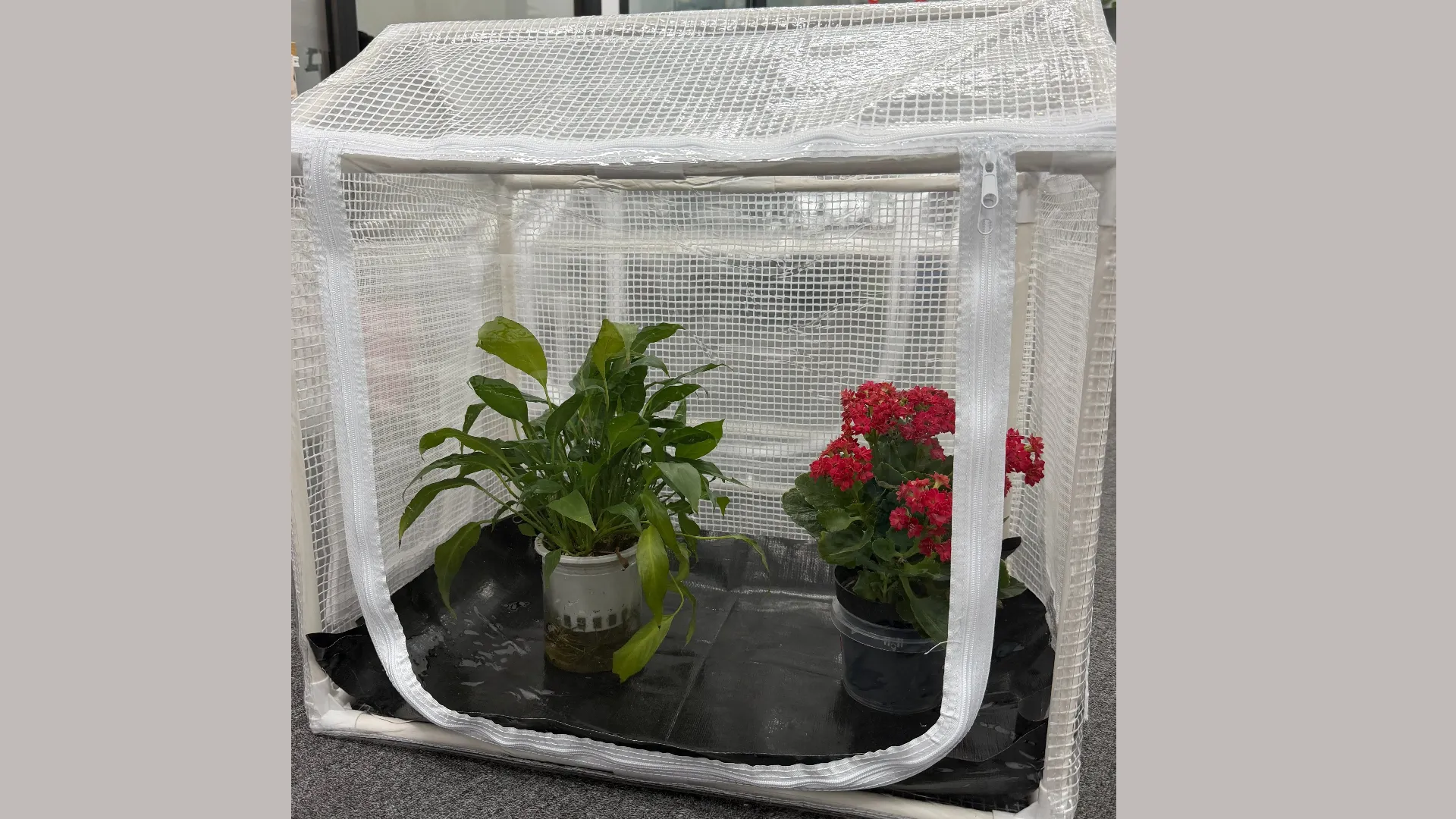
| Mini Garden Greenhouses | Provides stable temperature and humidity. | Look for adjustable shelving and ventilation. Check the light transmission of the cover. |
| LED Seed Starter Trays | Ready-to-use kit with integrated lighting. | Full-spectrum LED is a must (Blue light for foliage, Red light for blooming). Check power consumption and built-in timers. |
| Seedling Heat Mats | Maintains optimal soil temp (18-24°C / 65-75°F). | Must be waterproof and ideally feature temperature control. Size should match standard trays. |
Pro Tip: The most common cause of indoor seedling failure is poor ventilation. Even in February, a sealed mini greenhouse in direct sunlight can hit 30°C (86°F), baking young plants. Always ensure your display includes thermometers or highlights ventilation features.
2.2 Sowing Tools & Consumables
| Product | Function | Sourcing Checklist |
| Seed Starter Trays / Cell Flats | Standardized sowing containers. | Stock multiple sizes (12/24/48/72 cells). 72-cell for beginners; 24-cell for advanced. Biodegradable options reduce transplant shock. |
| Sterile Seed Starting Mix | Disease-free germination base. | Crucial: Never substitute with regular potting soil to prevent dampening off. |
| Plant Labels | Tracking varieties and dates. | Waterproof plastic, writable chalk, or hanging tags. Excellent item for OEM custom logo printing. |
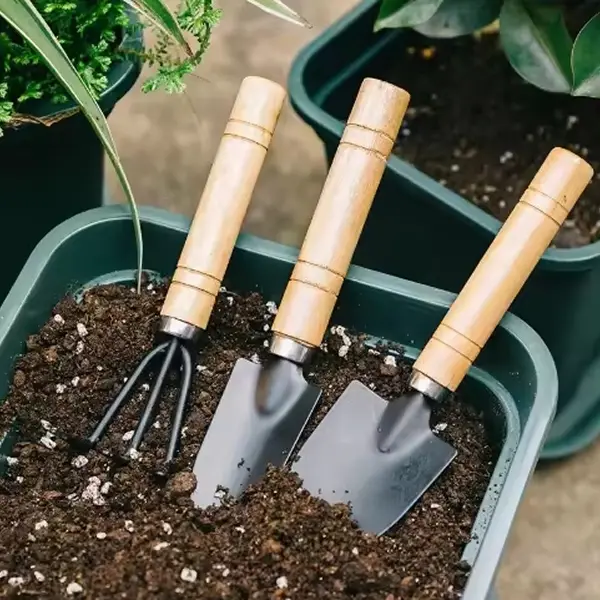
| Mini Garden Trowels | Precision soil handling. | Ergonomic handles and rust-proof stainless steel. Mini sizes fit cell trays perfectly. |
2.3 Daily Maintenance & Protection
| Product | Function | Sourcing Checklist |
| Indoor Watering Cans | Precision watering. | Gooseneck design prevents washing seeds away. BPA-free food-grade materials are preferred. |
| Plant Grow Lights | Supplemental lighting. | Seedlings need 14-16 hours of light daily. Clip-on or LED strip options. |
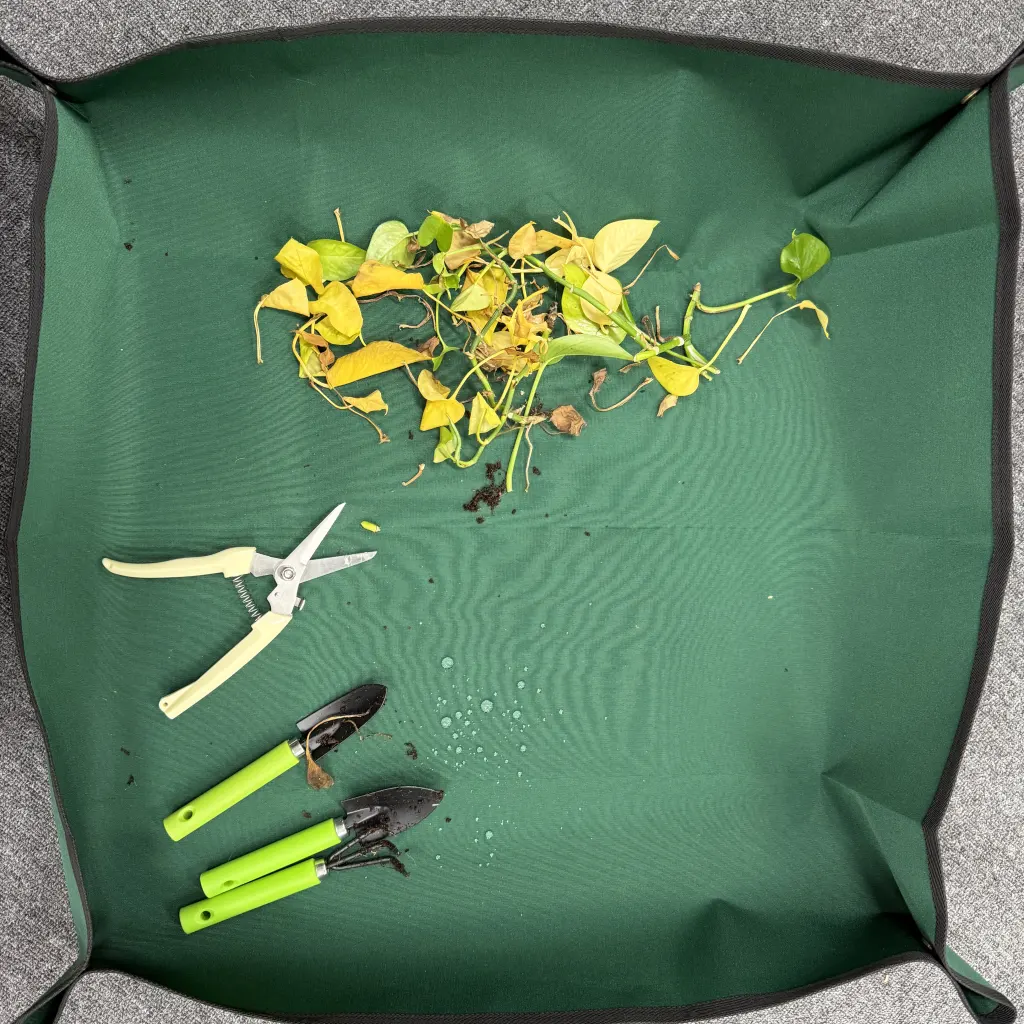
| Indoor Repotting Mats | Protects indoor surfaces. | Waterproof, easy to clean, and rollable for storage. |
| Gardening Aprons & Gloves | Keeps the grower clean. | Multi-pocket aprons and breathable, touchscreen-compatible gloves. |
3. Merchandising Strategy: Organize by Journey, Not by Category
Most garden centers organize by category: seeds in aisle one, trays in aisle two, tools in aisle three. This happens because procurement dictates merchandising. You buy from different suppliers, shipments arrive at different times with different packaging, and you inventory them by category.
But customers don't shop by category. They shop by the "Planting Journey".
Restructure your display like this:
- Step 1: Prep the Environment → Mini Greenhouses, Heat Mats, Grow Lights.
- Step 2: Sowing → Trays, Starting Mix, Seeds, Labels.
- Step 3: Daily Care → Watering Cans, Pruners, Gloves.
- Step 4: Transplanting → Dibbers, Repotting Mats, Aprons.
Create "Starter Kit Zones" by bundling products (e.g., Tray + Soil + Labels + Watering Can). Place clear timeline cards next to products telling customers exactly when to sow and when to transplant.
4. The Procurement Trap: Fragmented vs. Consolidated Sourcing
If you want to build a comprehensive display featuring 10+ SKUs, you face a critical sourcing decision.
To source this independently from China, you might need to contact 36 different factories, request samples from 12-24, and navigate varying MOQs, inconsistent quality, and fragmented delivery times. Sample shipping alone can easily cost $1,000 ($100 per supplier across 10 suppliers).
The Consolidated Advantage with Scarecrow Garden
At Scarecrow Garden Supplier, we solve the root cause of retail display failures by transforming your procurement process:
- Mixed Orders & Low MOQ: We support multi-SKU consolidated wholesale. You don't need to order 5,000 watering cans just to hit a factory's minimum.
- Drastically Reduced Sample Costs: We gather all your selected items in our own warehouse and ship them as a single package. Your sample shipping drops from $1,000 to around $100.
- The Double-Sample Mechanism: When you approve a sample, we keep an exact duplicate labeled in our warehouse. During mass production, we inspect the bulk order against this retained sample. We catch and fix inconsistencies locally in China, completely eliminating cross-border quality disputes.
- Consolidated Shipping: We pack your mixed inventory into a single container, significantly reducing your logistics coordination and freight costs.
Stop letting fragmented sourcing dictate your retail floor. Upgrade your procurement strategy to build displays that actually convert.
Looking to stock up for the early spring season? Send us your product list, and let Scarecrow Garden Supplier build a consolidated quotation featuring flexible MOQs, mixed packaging options, and OEM branding support.

Written by
ScarecrowGarden
💡About Scarecrow Garden Supplier Co., Ltd.
Scarecrow Garden Supplier Co., Ltd. is a China-based sourcing and wholesale partner specializing in garden tools, landscaping equipment, and outdoor supplies for international wholesalers, distributors, contractors, and brands.
With hands-on experience rooted in real garden use scenarios, we focus on durable materials, functional design, and stable large-volume supply. Our product range covers pruning tools, watering systems, hand tools, outdoor hardware, and customized garden solutions to support both retail and professional landscaping markets.
Beyond products, we help our partners navigate supplier selection, quality control, compliance requirements, and long-term sourcing strategies in China. Through our blog, we share practical insights on product selection, material comparisons, industry trends, and cost-effective purchasing—helping global buyers build stronger, more competitive supply chains.