









Updated 2 months ago
Mini Greenhouse RFQ Checklist: What Buyers Should Specify Before Asking for a Quote
SCARECROW GARDEN SUPPLIER
mini greenhouse RFQ checklist
You have a photo. You have a target price in mind. You send it to three suppliers and wait.
Two weeks later, you are staring at three quotes that look nothing alike. One is 30% cheaper — but the cover material is thinner. One includes packaging; the other does not. One quotes FOB; another quotes EXW. You cannot tell which supplier is actually offering the better deal, and you have already lost a week.
This is what happens when an RFQ (Request for Quotation) is built on a photo and a price target instead of a specification. For mini greenhouses — portable, soft-cover structures with multiple interacting components — the cost of a vague inquiry is not just wasted time. It is the cost of receiving a product that does not match what you imagined, discovering it after goods have shipped, and explaining the gap to your retail buyers.
This article walks through what a complete mini greenhouse RFQ should contain, why each field matters, and how to structure your inquiry so that suppliers quote on the same product — not on their own assumptions.
Why Mini Greenhouse RFQs Go Wrong
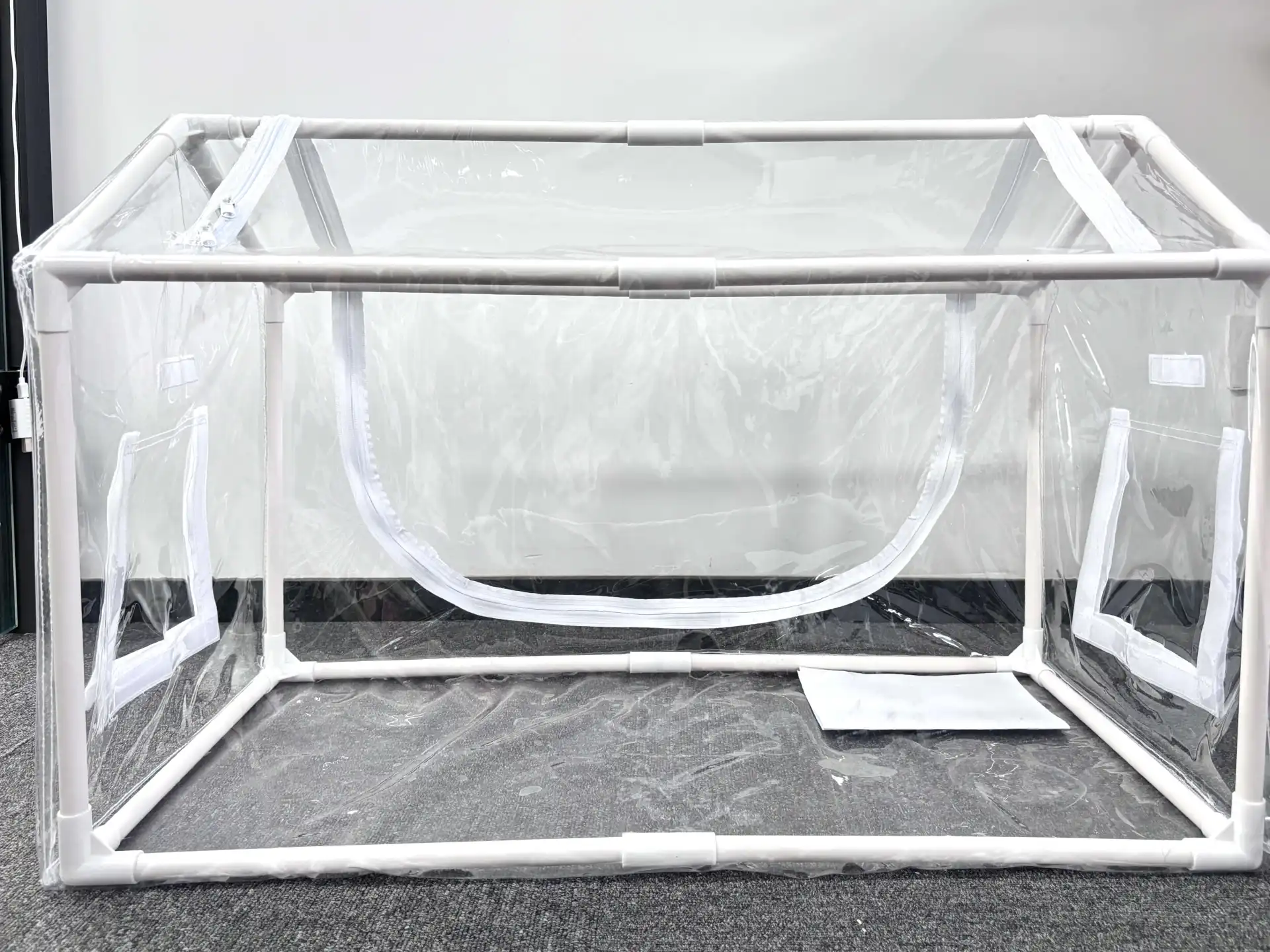
Mini greenhouses are not single-component products. The BOM depends on the product subtype — a typical unit may include a tubular frame, plastic or metal connectors, a soft transparent cover, a zippered roll-up door, wire shelves, ground pegs, and sometimes wind ropes. But not all models include all of these. Confirm the BOM for the specific SKU before specifying fields.
When you send a photo without specifications, you are asking each supplier to fill in the blanks. They will — but not the way you expect. A supplier who wants to win on price will quietly use a thinner cover, a lighter tube gauge, or a cheaper connector. A supplier who quotes honestly at a higher spec will look expensive next to the cheaper quote. You end up comparing apples to oranges, and the cheapest apple is usually the one with the worm inside.
The fix is not complicated. It is a structured RFQ that leaves no room for interpretation — or at least, leaves the remaining ambiguity visible, so you can ask about it before committing.
The 12 Fields Every Mini Greenhouse RFQ Should Include
A real B2B inquiry — not a “send me your price” message — covers the following areas. These fields fall into three groups: product specification (fields 1-5), commercial terms (fields 6-7, 12), and process and quality control (fields 8-11). Adapt them based on the product subtype — not all fields apply to every SKU. Each field exists because it has been a source of confusion, dispute, or unexpected cost in actual mini greenhouse procurement.
1. Cover Material and Thickness
Specify the material type (PVC, PE, or other), the thickness in millimeters, and any durability requirements you need. Cover thickness directly affects how the product holds up to wind, UV exposure, and repeated handling. A thinner cover lowers the unit price — sometimes by a meaningful margin — but it also shortens the usable life of the product in the field.
If you are not sure which material or thickness suits your market, say so. Ask the supplier to quote two options at different specifications so you can compare the price gap. But do not leave this field blank. A blank field means the supplier picks the cheapest option that still looks acceptable in a photo.
2. Zipper Type and Quality
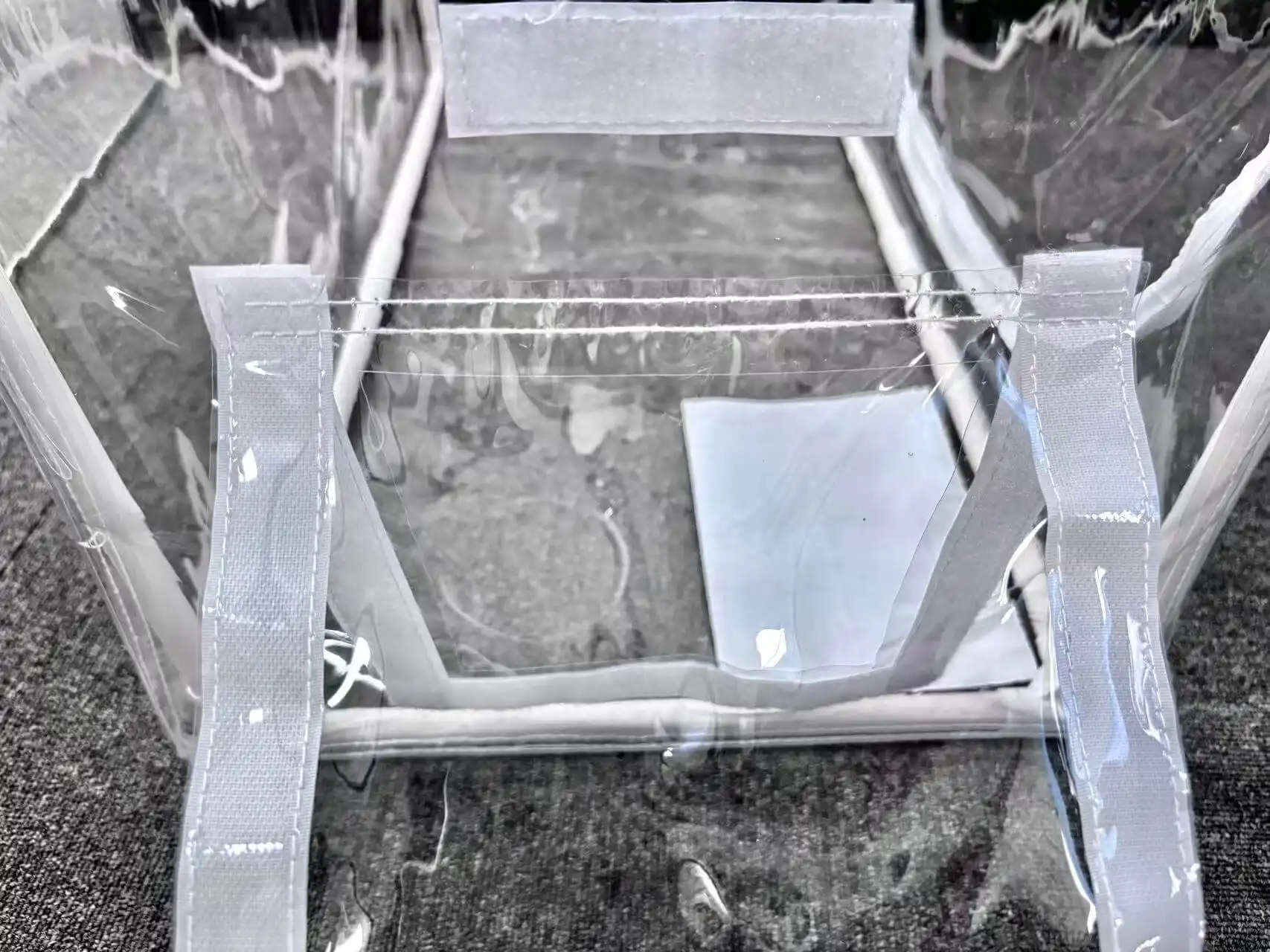
The zipper is one of the smallest components in a mini greenhouse and one of the most common reasons for consumer complaints. Specify whether you need a nylon, plastic, or metal zipper, and whether it needs to be water-resistant or weather-rated. If the zipper fails, the roll-up door becomes useless — and your customer sees a broken product, not a minor component failure.
Ask the supplier what zipper grade they use as standard, and whether upgraded options are available. This gives you a baseline for comparison rather than guessing.
3. Frame Material, Coating, and Tube Gauge (if applicable)
The frame is the structural backbone for frame-based models. Specify the material, the surface treatment (powder-coated or galvanized), the tube diameter, and the wall thickness. Tube gauge — the wall thickness of the steel tubing — is a significant variable in both price and durability. Confirm the specific material and gauge with the supplier rather than assuming a default.
If you are comparing suppliers, require all of them to quote at the same gauge. Otherwise, you are comparing frames of different strengths at different prices, and the cheaper frame will always look like the better deal — until it buckles.
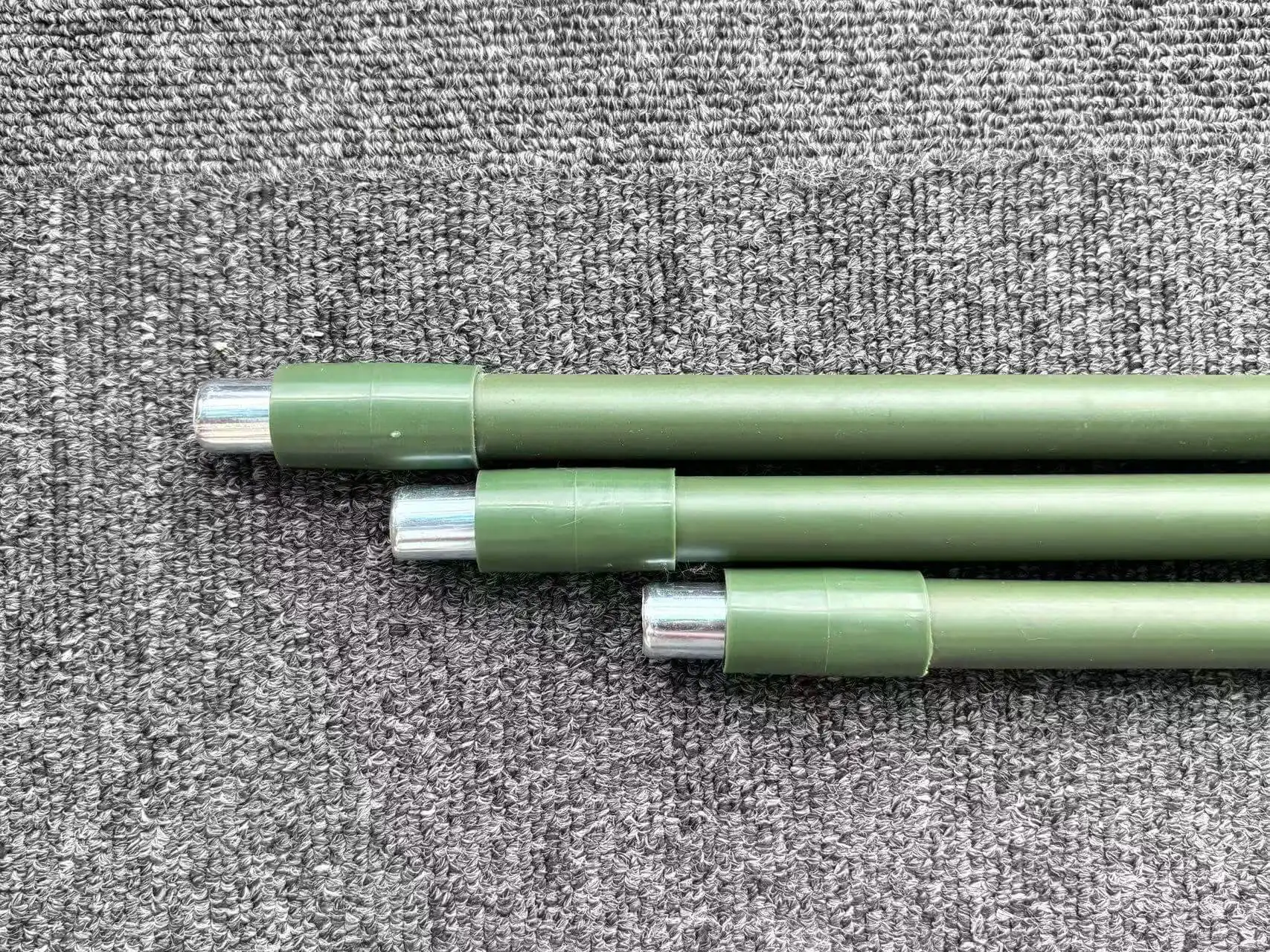
4. Connector Material and Type
Connectors are the joints that hold the frame together. They are typically plastic (PP or similar) with steel screws. Connector quality affects assembly ease, structural rigidity, and long-term durability. Poor tolerances in connectors lead to wobbly frames, difficult assembly, and consumer frustration.
Specify the material and ask whether the supplier uses a single supplier for connectors or sources them from multiple vendors. Consistency in connectors is a quality indicator that most buyers overlook — until they receive a batch where some frames are tight and others are loose.
5. Shelf Material and Load Rating
Wire shelves are part of the product’s utility. Specify the wire diameter, the coating, and the load rating per shelf. If your market expects the product to hold heavier pots, a shelf that sags under weight becomes a return trigger.
Ask the supplier for the per-shelf load rating and how it was determined. If the rating is based on static load in ideal conditions, the real-world performance will be lower.
6. Warranty and Defect Replacement Policy
This is where many RFQs stop — and where many post-shipment disputes begin. Specify what you need in terms of factory-side inspection and buyer-side RMA (Return Merchandise Authorization) policy. Ask whether the supplier provides replacement parts for defective units, and under what conditions.
A supplier who offers replacement parts as an RMA solution is giving you a cost-effective way to handle individual defects without returning entire cartons. This matters because the cost of returning a full carton from your warehouse to China can approach or exceed the value of the product, particularly for lower-priced items.
7. Spare Parts Supply
Ask whether the supplier can provide spare components — connectors, covers, zippers, pegs — either with the order or as a separate shipment. Spare parts are the cheapest insurance policy for after-sales. A small bag of spare connectors and pegs shipped with the order can resolve consumer complaints at a fraction of the cost of a return.
If the supplier does not offer spare parts as standard, ask whether they can be added at a per-unit cost. The answer tells you whether the supplier is thinking about your after-sales reality or only about the factory gate.
8. Component Photos and Dimensions
Request a photo of every individual component with its dimensions marked. This is not excessive — it is basic specification control. A photo of the assembled product does not tell you the tube diameter, the connector size, the wire gauge of the shelves, or the thickness of the cover. Individual component photos let you verify that what was quoted is what will be produced.
This also creates a reference document for quality inspection later. When you have approved component photos on file, your inspector can compare production units against them — instead of guessing what “correct” looks like.
9. Customization Options
If you need any customization — cover color, frame color, size adjustment, window or vent additions, packaging design, or wheels — specify it in the RFQ. Ask the supplier to quote the customization separately from the base product so you can see the cost impact clearly.
For packaging customization, specify whether you need a printed retail box, a mail-order packaging format, or a plain brown carton. Packaging is a significant cost line item, and the difference between options can be substantial.
10. Quality Testing and Inspection Access
Ask whether the supplier has in-house quality testing and what tests they perform. Request any available test reports. More importantly, ask whether you or your appointed third-party inspector can access the factory for pre-shipment inspection.
A supplier who welcomes inspection is not necessarily better than one who resists — but a supplier who actively blocks inspection is a risk you should not take on a first order.
11. Sample Process
Specify your sample requirements: how many samples you need, whether you are willing to pay for them, and what timeline you expect. Ask the supplier about their sample process — cost, lead time, and whether sample fees are credited against bulk orders.
The sample is your last chance to verify the product before committing to a production run. Treat it as a specification milestone, not a formality. When you receive the sample, check every component against your RFQ specification — not just the overall appearance.
12. Payment Terms and Methods
Specify your preferred payment method and ask about the supplier’s accepted options. If you are an Amazon seller, ask whether the supplier has experience with Amazon-trusted payment service providers. Discuss the payment milestone structure — for example, a deposit-balance arrangement is common, but the exact split is negotiable and depends on the transaction, credit assessment, and contract negotiation. The payment structure signals how the supplier views risk-sharing — but there is no universal “correct” structure.
Payment terms also signal supplier confidence. A supplier who insists on 100% upfront payment on a first order with a new buyer is asking you to bear most of the risk in the transaction. A supplier who agrees to a deposit-balance structure is sharing the risk — and that tells you something about how they view the relationship.
Preparing a Mini Greenhouse RFQ?
Start with a clear product scope, component requirements, packaging and commercial terms before comparing prices. A complete RFQ structure helps ensure more accurate product matching, quotation comparison, and sourcing decisions.
How to Structure Your RFQ So Suppliers Quote on the Same Product
The 12 fields above are the content. The structure is how you present them. Here is a practical approach:
Send the same RFQ document to every supplier. Not a slightly modified version for each one — the same document, with the same fields and the same specification targets. This is the only way to ensure that differences in the quotes you receive reflect differences in supplier pricing and capability, not differences in what you asked for.
Ask for a line-item breakdown. A single unit price tells you nothing about where the cost sits. Ask the supplier to break the quote into: frame, cover, connectors, shelves, packaging, and any customization. This helps you see which supplier is pricing which component differently — and whether a supplier is absorbing cost in one area to win on another. Note: not all suppliers can provide line-item detail (many factories cost as a single number) — but requesting it helps you assess transparency.
Specify the Incoterm. FOB, CIF, and EXW are not interchangeable. A quote at EXW looks cheaper than a quote at FOB, but the EXW quote leaves you responsible for inland transport, export clearance, and loading. If you want to compare fairly, ask all suppliers to quote at the same Incoterm — or at minimum, convert all quotes to the same basis before comparing.
Include a response deadline. Suppliers prioritize buyers who communicate clearly and have timelines. A response deadline is not just about speed — it signals that you are running a structured process and comparing multiple suppliers. This tends to produce more complete and more carefully prepared quotes.
Need Help Turning a Reference Into an RFQ?
Send your product photo, target market, quantity range and packaging needs so the sourcing brief can be organized clearly. We can help structure the key information before quotation and supplier communication.
What to Do When a Supplier Cannot or Will Not Answer All Fields
Not every supplier will respond to all 12 fields on the first try. Some will send a price and a photo and consider the job done. This is not necessarily a red flag — but it is a signal about their communication style and service level.
Follow up once. Ask specifically for the missing fields. If the supplier still cannot provide component-level specifications, warranty terms, or sample process details, you have learned something important: this supplier operates at a transaction level, not a partnership level. That may be fine for a one-off order at the lowest possible price. It is not fine if you are building a product range that your retail customers will depend on.
The RFQ Is Not the End of Specification — It Is the Beginning
A well-structured RFQ gets you comparable quotes. But specifications can drift between quote and production, especially on repeat orders. The RFQ is the foundation — the approved sample, the final specification sheet, and the pre-shipment inspection are the layers that keep production aligned with what you approved.
Send a complete RFQ. Compare quotes on the same basis. Approve a sample that matches the specification. Then inspect the production against that sample. Each step narrows the gap between what you expect and what you receive.
Talk to us about your mini greenhouse sourcing plan. Send us your product list, target market, quantity range, and packaging requirements — we will help you turn it into a structured RFQ that gets you comparable quotes from verified suppliers. You focus on your market. We help you source smart, verify thoroughly, and ship on time.
Ready to Send a Complete RFQ?
Send us your product list, target market, quantity range, and packaging requirements. We will help turn your information into a structured RFQ that allows you to receive more comparable quotes from verified suppliers. You focus on your market. We help you source smart, verify thoroughly, and prepare for reliable shipment.
Related Articles
How to Compare Mini Greenhouse Supplier Quotations on the Same Basis
Private Label Mini Greenhouse Projects: From Reference Sample to Approved Production
Pre-Shipment Inspection for Mini Greenhouses: What to Check Before Bulk Orders Leave China