






Updated 7 months ago
Built-in BBQ grill for outdoor kitchen projects: material grade, project coordination and one-stop procurement

ScarecrowGarden
💡About Scarecrow Garden Supplier Co., Ltd.
Scarecrow Garden Supplier Co., Ltd. is a China-based sourcing and wholesale partner specializing in garden tools, landscaping equipment, and outdoor supplies for international wholesalers, distributors, contractors, and brands.
With hands-on experience rooted in real garden use scenarios, we focus on durable materials, functional design, and stable large-volume supply. Our product range covers pruning tools, watering systems, hand tools, outdoor hardware, and customized garden solutions to support both retail and professional landscaping markets.
Beyond products, we help our partners navigate supplier selection, quality control, compliance requirements, and long-term sourcing strategies in China. Through our blog, we share practical insights on product selection, material comparisons, industry trends, and cost-effective purchasing—helping global buyers build stronger, more competitive supply chains.
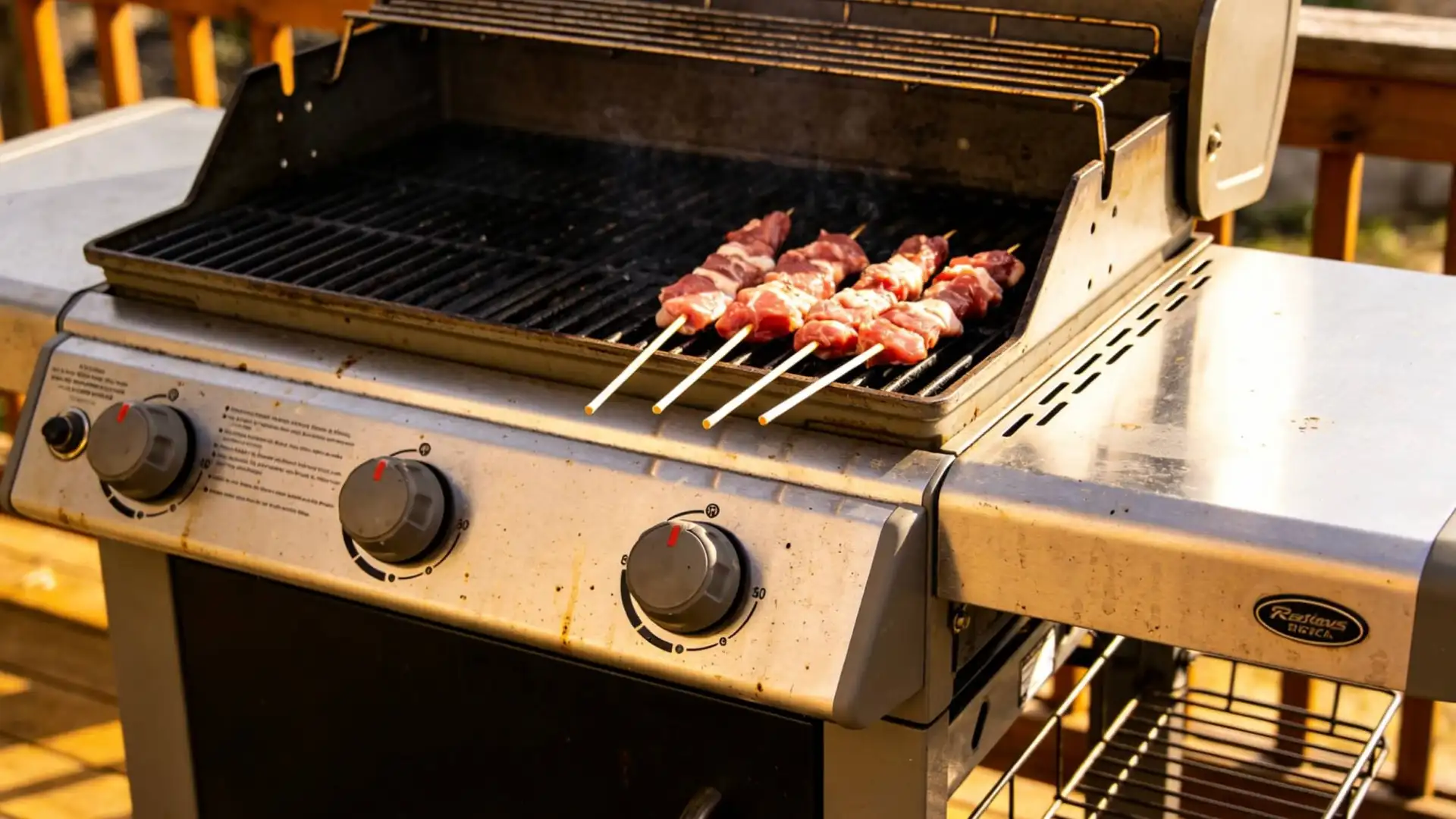
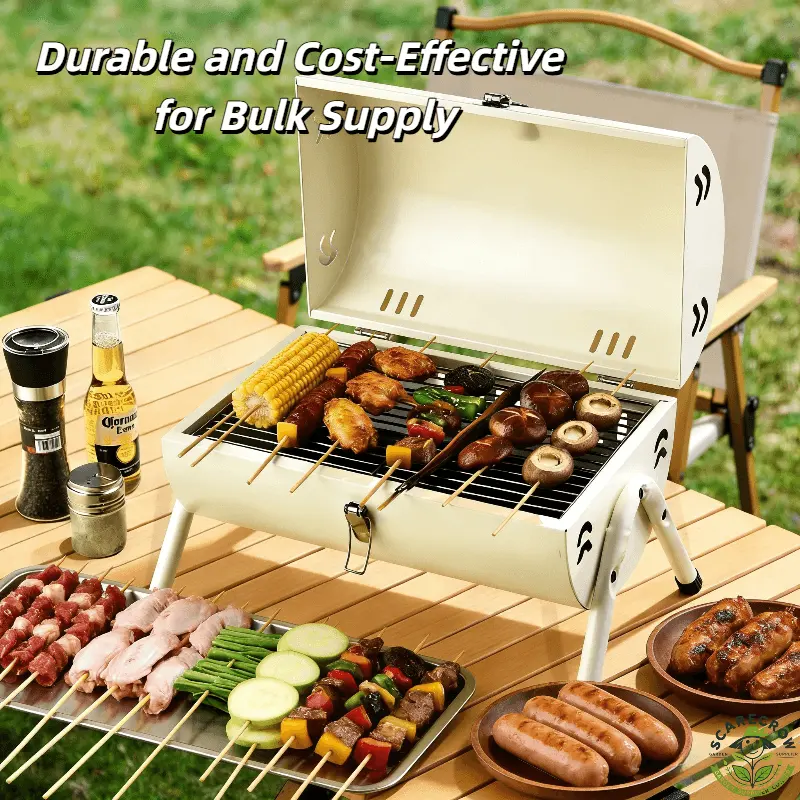
304 stainless steel built-in grill for outdoor projects
In the European and American markets, " Outdoor Living" has evolved from a lifestyle to an important part of real estate valuation. For garden furniture wholesalers and retailers, simple patio tables and chairs can no longer meet the needs of high-end customers. As a professional built-in grill supplier, we understand your pain points when serving engineers and high-end projects, and this article will delve into three core topics in outdoor kitchen equipment procurement.
Engineering Reality: The Game of 304 vs. 430 Stainless Steel
When it comes to outdoor kitchen equipment procurement, stainless steel is the absolute protagonist. However, not all "stainless steel" can stand up in a changeable climate. 304 vs. 430 are two of the most common choices faced by engineers, but it's not just about cost; it's about project life.
430 Stainless Steel
430 stainless steel is a ferritic stainless steel, which contains chromium (about 16-18%) but basically does not contain nickel. The nickel-free chemical structure determines its limitations in outdoor environments:
Due to the lack of nickel to stabilize the crystal structure, 430 stainless steel has a thinner antioxidant layer. It performs well in a dry indoor environment, but under the erosion of the snowmelt salt environment common in Europe and the United States, the salty and humid air along the coast or acidic food residues, it is very easy to appear "tea rust" and even pitting. 430 is magnetic, which means that its microstructure may change during long-term high temperatures and cooling cycles, further reducing fatigue resistance.
304 Stainless Steel
304 stainless steel belongs to austenitic stainless steel, containing 8-10.5% nickel. Chromium forms an oxide layer, while nickel stabilizes the crystal structure. This is a life-saving feature for a built-in grill that is exposed to UV rays, rain, and grilling grease all year round.
In coastal areas, 430 stainless steel may last only a few years, while 304 stainless steel can last for decades. Although the initial purchase cost of the 304 can be 30-35% higher, it means an exponential reduction in after-sales maintenance costs.
For those looking to explore advanced options beyond traditional gas grills, including pellet and smart grills designed for prosumer markets, see our guide on [Pellet & Smart Grills for Prosumer Markets: Durability, Spare Parts Strategy, and Long-Term Supply].
Combination Procurement of Outdoor Furniture and Horticultural Decoration
Harmony of Materials and Tones
Storage system: High-end projects in Europe and the United States tend to combine outdoor kitchen equipment purchase lists with storage solutions. For example, the oven cabinet with a powder-coated aluminum frame echoes the material of outdoor lounge chairs and sofa armrests to avoid visual fragmentation.
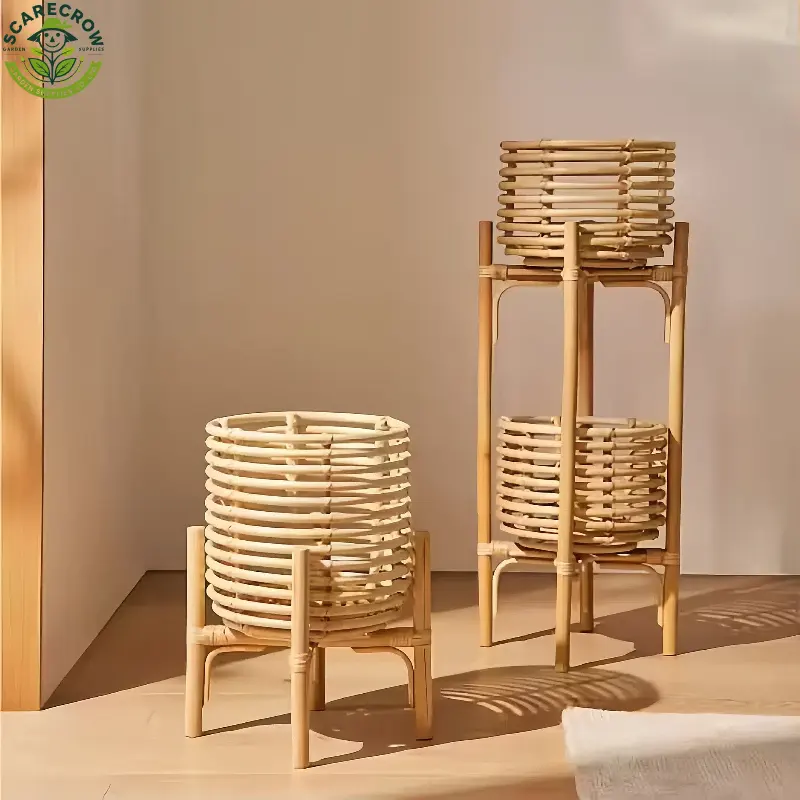
Decorative blend: In addition to the cooking itself, modern outdoor kitchens need to accommodate "soft furnishings" for gardening décor.
The Rise of "Solution-based Shopping"
The data shows that North American consumers are increasingly inclined towards "solution-based shopping." Instead of buying grills, cabinets, and decorations separately, they want to purchase a combo package.
Advantages of bundled procurement: As a wholesaler, you will bundle the built-in barbecue grill with outdoor kitchen equipment and matching awning brackets and waterproof covers, which can not only increase the unit price of customers, but also solve the pain of engineers in multi-supplier coordination.
Modularity and variability: Modern patio users love "variability". The oven island with movable modules (e.g. console with wheels, folding table) will greatly increase the attractiveness of the product. When grill suppliers can provide modular components that align with the style of the furniture, it creates a barrier that competitors find difficult to replicate.
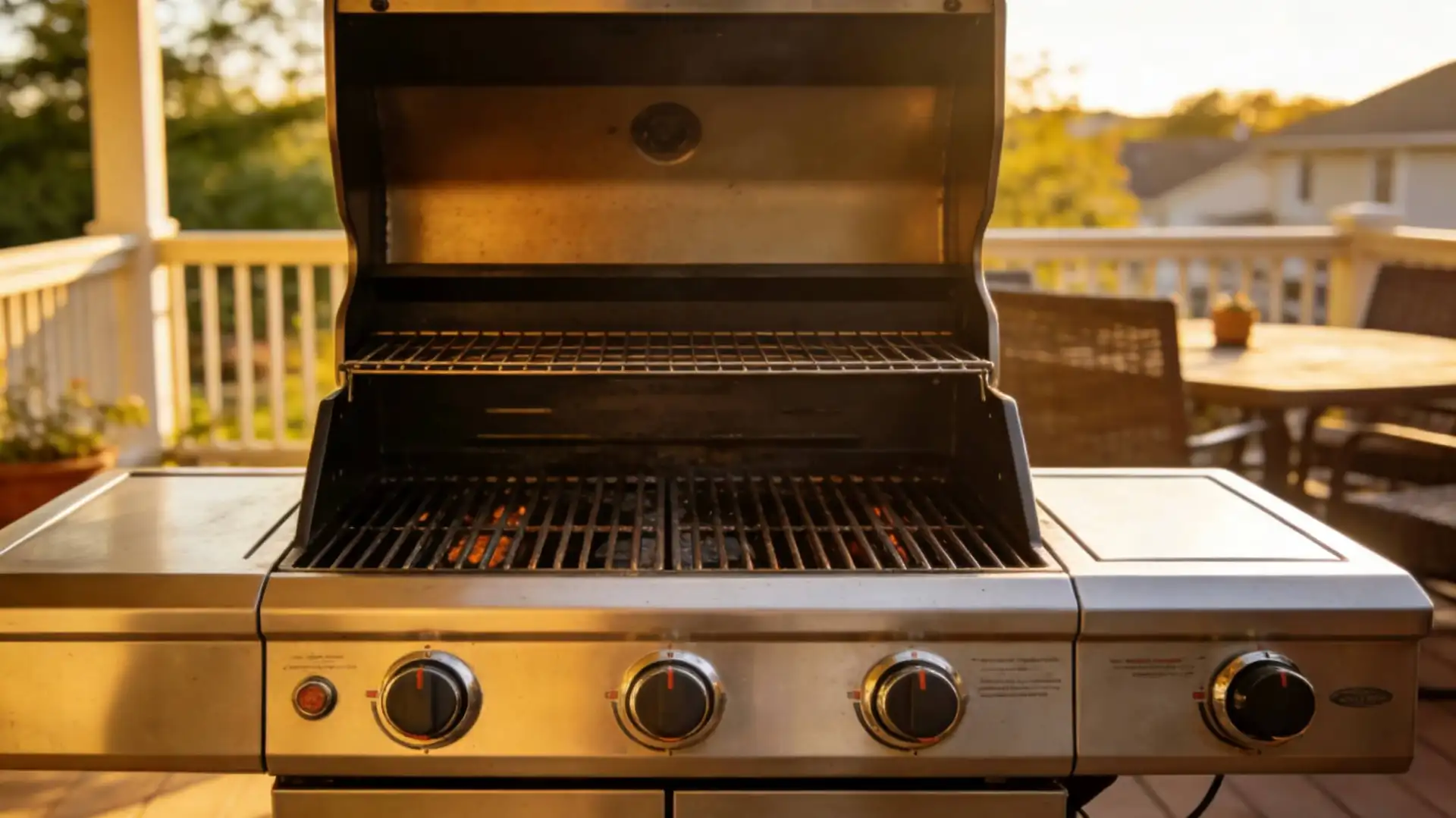
3 Risk Points Contractors Fear Most (and How to Avoid It)
After communicating with numerous engineering contractors and yard designers, we found that the following three risk points directly determine the success or failure of a project. Being a reliable built-in grill supplier and helping customers identify and mitigate these risks is key to building long-term trust.
Risk Point 1: Thermodynamic Catastrophe – The Overlooked "Thermal Bridge Effect"
Many contractors focus only on the grill itself, ignoring the thermodynamics of the installation environment. The metal frame is a good conductor of heat, and if the built-in grill is directly connected to a normal metal cabinet, the 500°F grill heat will be transferred through the "thermal bridge" to the cabinet handles or even the sealant buried under the countertop, causing structural deformation or user burns.
Avoidance plan: Attention must be paid to the design of the insulation layer when purchasing. Require suppliers to provide cabinets with ceramic blankets or high-temperature foam insulation and use nylon spacers as thermal breaking bridges at all metal connections. At the same time, the difference in thermal expansion rates of different materials (steel, concrete, stone) must be taken into account, and sufficient design expansion joints must be reserved.
Risk Point 2: Hidden Ventilation and Corrosion Traps
The built-in grill has completely different heat dissipation and oxygen supply requirements than the freestanding one due to the embedded closed structure.
Steam and grease: If a large amount of water vapor and grease generated by outdoor cooking cannot be discharged in time, it will form a local microclimate, accelerate the aging of internal electronic components (such as igniters, LED lights), and breed mold.
Avoidance plan: Calculate the ventilation opening area strictly according to the BTU (British thermal units) output value of the grill to ensure that the combustion oxygen supply is sufficient and the hot gas can escape quickly. Choose a gas piping system with an anti-siphon design and a base drainage system to prevent condensate buildup.
Risk Point 3: Logistics and "Invisible Delivery Time"
In large outdoor kitchen projects, the grill is often the last "heart" to be installed. Once the arrival of the built-in barbecue grill is delayed or quality defects lead to rework, it will drag down the progress of the entire stone countertop, water and electricity layout, and the lost work costs caused by it far exceed the value of the grill itself. Choosing suppliers that are responsive and can provide third-party inspection reports such as SGS or BV is far more important than just looking at the price.
Conclusion
The outdoor kitchen market in Europe and the United States is moving from a barbaric growth to a fine chemical period. The global built-in gas grill market was valued at USD519 million in 2024 and is expected to grow steadily at a CAGR of 4.1%. In this highly competitive track, whether it is a wholesaler or a retailer, only by deeply understanding the engineering logic of material grades, grasping the aesthetic trend of project coordination, and accurately solving the core risk points of the engineer can they become a trusted partner of end customers.
As a professional one-stop outdoor kitchen equipment trading company, we are committed to providing high-quality products that not only meet European and American market standards but also exceed project expectations. For your next project planning, please contact Scarecrow Garden Supplier Co., Ltd, and talk about how you can turn these industry insights into a real competitive advantage.
Written by
ScarecrowGarden
💡About Scarecrow Garden Supplier Co., Ltd.
Scarecrow Garden Supplier Co., Ltd. is a China-based sourcing and wholesale partner specializing in garden tools, landscaping equipment, and outdoor supplies for international wholesalers, distributors, contractors, and brands.
With hands-on experience rooted in real garden use scenarios, we focus on durable materials, functional design, and stable large-volume supply. Our product range covers pruning tools, watering systems, hand tools, outdoor hardware, and customized garden solutions to support both retail and professional landscaping markets.
Beyond products, we help our partners navigate supplier selection, quality control, compliance requirements, and long-term sourcing strategies in China. Through our blog, we share practical insights on product selection, material comparisons, industry trends, and cost-effective purchasing—helping global buyers build stronger, more competitive supply chains.