







bypass pruning shears for wholesale buyers
Choosing the right pruning shears is essential for efficient garden care, whether your customers are trimming fruit trees, maintaining hedges, or tending to potted plants.
For wholesale buyers and professional garden tool distributors or landscaping start-ups, selecting suitable pruning shears is also critical for product positioning, cost control, and long-term market demand.
Abstract
Pruning shears are one of the most essential garden hand tools for everyday gardening. The right pair of shears helps your customers trim plants more efficiently and maintain healthy growth — with plants that can spring up quickly after a good pruning — for even more extraordinary growth. In other gardening conditions, some plant branches may be thick while others are thin. They can grow densely or be spaced apart, and the working area may also vary. These differences mean your customers need different types of pruning shears, each with specific designs and functions to suit the task. Based on real gardening needs, this article puts together simple, science-backed rules for choosing pruning shears. It focuses on why garden shears are unique and when to use them to cut thick branches. It is a beneficial pamphlet for anyone who enjoys gardening as an amateur or expert.
As a professional trading company, Scarecrow Garden Supplier provides a wide range of garden shears and gardening supplies that fit different pruning needs.
I. Classification of Usage Scenarios and Tool Matching for Pruning Shears
1.1 Tool Selection for Trimming Thin and Tender Branches
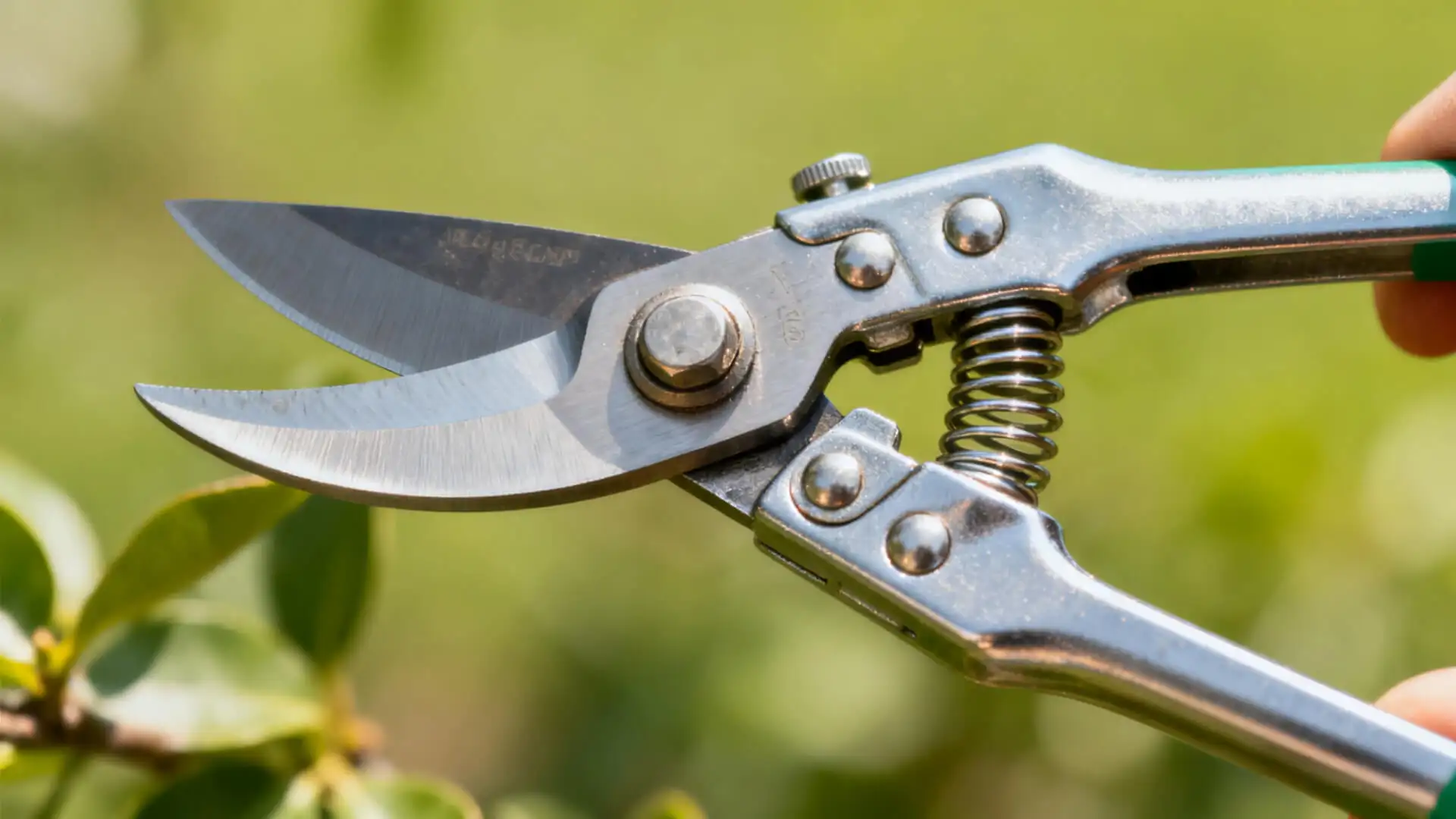
Bypass pruning shears are your customer's best option when dealing with thin, soft branches that are less than 1 centimeter thick. The two blades of these shears overlap and lock against each other, cutting top and bottom without squishing or damaging tender branches. They leave clean and smooth cuts, which help the branches heal fast and grow well later on.
Bypass pruning shears are especially common among gardeners because they provide clean cuts and reduce plant stress, making them ideal for delicate stems.
1.2 Adaptation of Garden Shears for Trimming Thick Branches
If the branch is thicker than 1 centimeter, regular pruning shears are not likely to work so well — they do not open wide enough and lack cutting power. For thicker and woody branches, garden shears with long handles provide the extra leverage needed. That’s when your customers need garden scissors. They have longer handles that allow them to cut with more force, and the blades are particularly thickened. These shears are strong, and they stay sharp when your customers use them to cut thick, woody branches or stems, so they’re great for large gardening jobs like trimming big bushes or shaping hedges, or chopping back fat branches on fruit trees to make room for more light.
1.3 Tool Adaptation for Working in Narrow Spaces
With potted plants indoors, in limited spaces of the garden, space for tool use can be restricted. Now, small-scissor-type pruning shears are a better option. These implements are small and handy. They can reach places that are tight or uncomfortable to move through, and can perfectly prune where less flexible shears are too bulky or cut off other branches.
1.4 Impact of Tool Matching on Usage Effect
Choosing the right type of pruners and tailoring them to the task at hand are important for both efficiency and preserving tools. This helps prevent unnecessary wear and reduces long-term maintenance or replacement costs.
Choosing the right tool for the task not only boosts efficiency but also prevents premature wear on pruning shears, extending the lifespan of the gardening equipment.
II. Key Points for Evaluating the Functional Characteristics of Pruning Shears
2.1 Types of Blade Structures and Their Adaptation Scenarios
The blade structure determines how the pruners cut and which types of branches they are best suited for. Bypass blades make cuts with parallel and overlapping edges to reduce crush on cut stems, suitable for trimming live and green stems. The anvil blades have one sharp blade and a flat anvil plate for better high cutting force. They work best on dry or dead branches. Designed specifically to cut large branches, gardening shears commonly have bypass blades made of hardened steel. This blade design not only shelters the living parts of thick branches but also makes a sharp cut.
In simple terms, bypass pruners are best for live branches, while anvil pruners work better on dry or dead wood.
2.2 Impact of Material Performance on Tool Durability
The blade and handle of the pruning shears are both made from materials that will affect how they feel in hand and for how long your customers will be using them. High-carbon-steel blades are very hard and can keep the edge for a long time, but they will rust if your customers do not take care of them, while stainless steel blades tend to be better at resisting rust and a bit easier to maintain on a day-to-day basis. Both materials are great, durable choices for gardening tools — your customers can choose either of them depending on how often they'll use the shears and how much maintenance time they want to commit to.
2.3 Evaluation Criteria for Ergonomic Design
The design of the pruners for comfort (Ergonomic design) can influence how comfortable it feels to use them and also how tired your customers can feel while using them. Here’s what they want to look for when trying out pruning shears: the handle shouldn’t slide in their grasp, and the tool should have an even weight distribution. Garden shears have longer handles, which provide more leverage when cutting. However, the long blades could affect the tool’s balance. That’s why many garden shears come with additional weights, to maintain balance. This makes the tool easier to control and allows your customers' arms to work longer before they feel tired. In general, for most cutting tools, the best overall weight is between 500 and 800 grams (18-28 ounces). It has a weight that feels steady and balanced, yet it’s not so heavy that using or carrying it becomes uncomfortable.
When selecting garden shears, ergonomics should be a priority, especially for gardeners who perform long hours of pruning.
III. Maintenance Requirements and Safety Specifications for Pruning Shears
3.1 Core Process of Daily Maintenance
When your customers are using pruning shears, they will come into contact with soil, plant sap and different nasty things. These leftovers can dull or rust the blade over time. After each use, clean the blade with a dry cloth to remove remaining sap and debris. The users can also put a drop or two of anti-rust oil on the blades after wiping, especially for those who use the shears often. This oil creates a very light film on the blade which repels air and water.
Many gardeners prefer to keep two types of pruning tools—lightweight pruning shears for daily trimming and heavy-duty garden shears for bigger tasks.
3.2 Special Maintenance Requirements for Garden Shears
When used on thicker branches, garden shears tend to accumulate more plant sap and soil. That’s why the users should clean and maintain them more frequently. You should wash them really well at least once a week—be sure to clean away all the dirt that has accumulated between the blades and around the connection points of where the handle attaches. Before using the pruning shears, make sure the blade is sharp. Dull blades should be sharpened to ensure clean cuts. This will ensure that the tool is always working well for your customers.
3.3 Basic Specifications for Safe Operation
Remember to always test the locking mechanism before using pruning shears. This feature holds the blade in position when it’s not engaged, so that it won’t pop open or cut the users by accident. Wear cut-resistant gloves when working with big tools, like garden shears — their blades are sharp and powerful enough to cause serious injury. Gloves prevent the blade from cutting your customers' hands and protect them when branches snap back and hit their hands.
3.4 Reference Standards for Handle Size and Brand Selection
It should grip the users as hard as they grip it. In general, the circumference of the handle is preferable not to exceed 20 centimeters. This means the handle is easy for most people to hold and provides a secure grip for applying force. The pruner won’t slip because the handle is neither too thick nor too thin. As for the brand, your customers will consult tool ratings from you, a professional gardening group, when choosing pruners. Opt for the products with ISO certification first — this says a lot about their materials, how they work, and safety, so these are more dependable and qualitative.
Conclusion
When considering pruning shears, your customers consider what they're going to use them for, how the tool works, and how to wield it safely. Before you source the products, it’s good to try one in person, depending on your target customers' needs. Choosing the right pruning shears comes down to understanding your customers' garden needs, testing how each tool feels in their hands, and ensuring it fits their regular pruning tasks.
If you are unsure which type of garden shears suits your customers' trimming work, Scarecrow Garden Supplier can provide small mixed orders of garden shears. It can help you test the market at the lowest cost.
For overseas buyers sourcing garden tools from China for the first time, supplier selection plays a critical role in controlling cost and risk.
As a professional garden tools sourcing partner, Scarecrow Garden Supplier supports distributors, wholesalers and landscaping start-ups with product matching, supplier coordination, and flexible sourcing options tailored to different market needs.
If you would like to better understand suitable products or sourcing approaches for your business, our team is ready to discuss your project and provide practical recommendations.

Written by
ScarecrowGarden
💡About Scarecrow Garden Supplier Co., Ltd.
Scarecrow Garden Supplier Co., Ltd. is a China-based sourcing and wholesale partner specializing in biaogarden tools, landscaping equipment, and outdoor supplies for international wholesalers, distributors, contractors, and brands.
With hands-on experience rooted in real garden use scenarios, we focus on durable materials, functional design, and stable large-volume supply. Our product range covers pruning tools, watering systems, hand tools, outdoor hardware, and customized garden solutions to support both retail and professional landscaping markets.
Beyond products, we help our partners navigate supplier selection, quality control, compliance requirements, and long-term sourcing strategies in China. Through our blog, we share practical insights on product selection, material comparisons, industry trends, and cost-effective purchasing—helping global buyers build stronger, more competitive supply chains.
Related Articles

How to Source from China Without Missing Your Peak Season

China Public Holidays 2026: A Buyer’s Guide to Avoid Supply Chain Disruptions Before Long Shutdowns
Why Bulk Garden Tool Orders Fail — and How We Help Buyers Prevent Costly Quality Issues in China