










Updated 2 months ago
Why Rework Happens in Landscaping: A Professional Buyer’s Guide to Selecting Cost-Effective Tools

ScarecrowGarden
💡About Scarecrow Garden Supplier Co., Ltd.
Scarecrow Garden Supplier Co., Ltd. is a China-based sourcing and wholesale partner specializing in biaogarden tools, landscaping equipment, and outdoor supplies for international wholesalers, distributors, contractors, and brands.
With hands-on experience rooted in real garden use scenarios, we focus on durable materials, functional design, and stable large-volume supply. Our product range covers pruning tools, watering systems, hand tools, outdoor hardware, and customized garden solutions to support both retail and professional landscaping markets.
Beyond products, we help our partners navigate supplier selection, quality control, compliance requirements, and long-term sourcing strategies in China. Through our blog, we share practical insights on product selection, material comparisons, industry trends, and cost-effective purchasing—helping global buyers build stronger, more competitive supply chains.
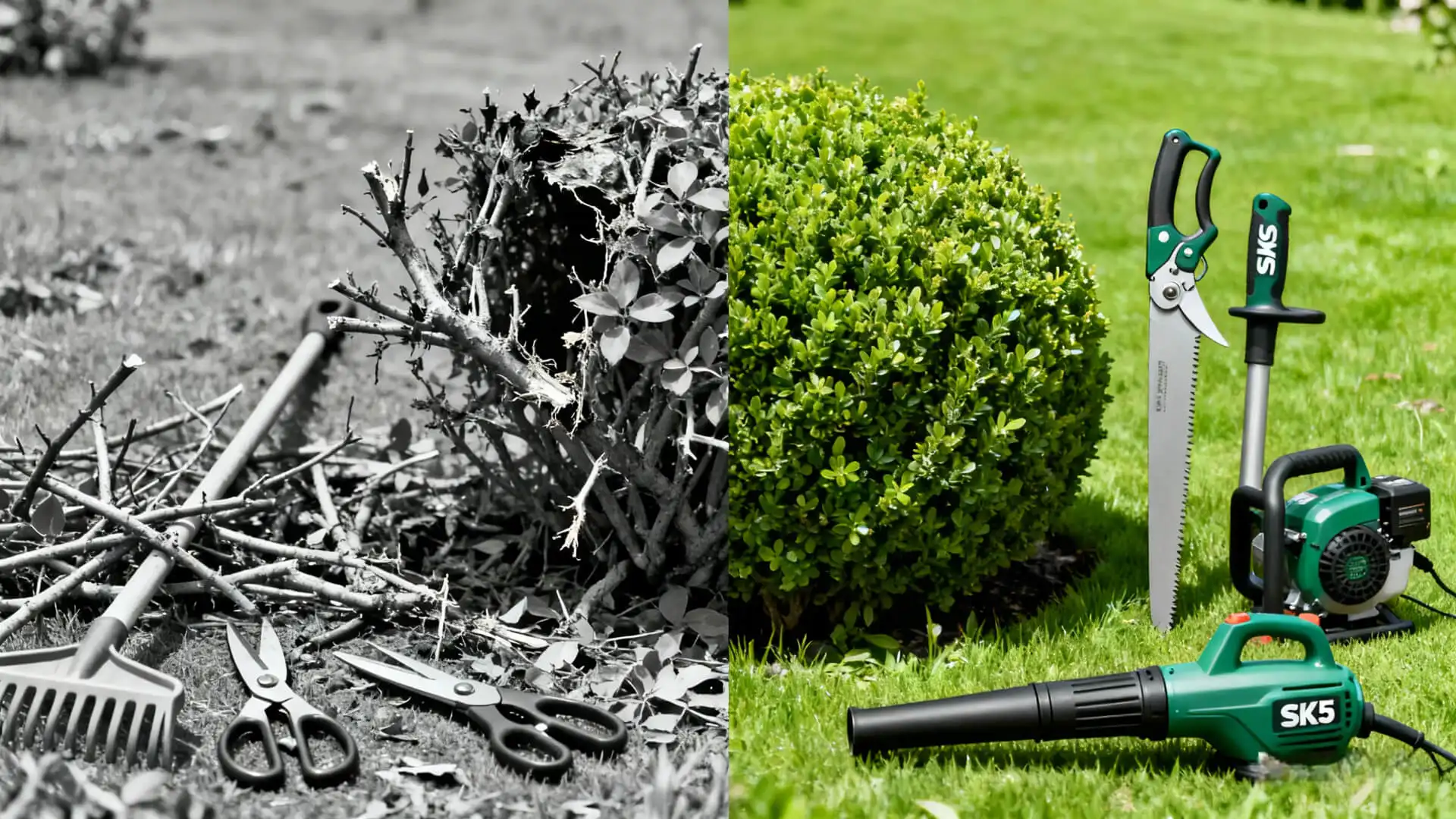
Why Rework Happens in Landscaping: How Wrong Tools Increase Costs and Reduce Job Quality
Abstract
Landscaping applications demand quality, precision, and consistency. These standards are essential for meeting customer expectations and industry requirements.
Costly rework is common in landscaping projects. It often occurs when the wrong landscaping tools or poorly matched equipment are used for specific tasks.
This report analyzes the root causes of landscaping rework and the financial impact of sub-standard equipment on contractor profit margins. For wholesale buyers and garden supply distributors, understanding the link between tool quality and project efficiency is critical. Research indicates that sourcing professional-grade equipment—such as SK5 carbon steel pruning shears, high-volume blowers, and specialized cutting tools—minimizes site errors and streamlines project execution. Investing in a high-performance product catalog not only reduces rework for your clients but also secures long-term competitive advantages and sustainable business growth for your distribution network.
1. Common Causes of Rework in Your Customers' Landscaping Projects
Landscaping rework often occurs due to uneven shrub-cutting, incomplete debris removal, dead plant material, and mismatched tool performance.
These problems are usually caused by using the wrong landscaping tools or tools that lack the required power or sharpness. So, having a better understanding of all kinds of lawn mowers' differences in performance is essential for the wholesalers and distributors.
Tool Sharpness and Incorrect Tool Type
Blunt, dull, or wrong-type tools reduce the quality of essential landscaping tasks. They also increase the likelihood of rework.
Dull metal tools crush stems instead of making clean cuts. This leaves plants vulnerable to infections and pests, and it can stunt their growth.
As a result, teams must return to job sites to cut damaged branches and prune again. Some of these tasks become 30%–40% more labour-intensive.
Using common scissors for thick branches or weak rakes for heavy debris causes uneven cuts and surface damage. This leads to unnecessary additional work.
Many landscapers underestimate the importance of tool sharpness and design. They assume basic tools work for any scenario.
However, professional landscaping requires different tools for different materials.
Insufficient Tool Power
A lack of power also creates delays and rework.
Small blowers cannot remove leaves, clippings, and plant debris from patios, driveways, lawns, and cutting beds. Residual debris is always left behind.
This increases cleanup time, worsens the customer experience, and results in redo orders that reduce profit margins.
Underpowered electric clippers cannot cut heavy branches or tough greenery. They leave rough edges and uneven patches that must be re-clipped.
When tool power does not match the task, the users in the team waste time overcoming limitations and still deliver results that need correction.
Search Trends
Google search data shows that landscaping professionals frequently search for:
- “how to reduce rework in landscaping”
- “best tools for pruning and debris removal”
This highlights how important proper tool selection is.
2. Resolving Rework Through Strategic Tool Sourcing for Your Customers
For professional buyers and distributors, mitigating tool-induced rework starts with a strategic investment in a high-performance product portfolio. Sourcing tools specifically engineered for task-specific demands ensures your clients achieve higher operational efficiency and stronger project margins.
There are two main categories:
- special cutting equipment
- powerful blowers
Both categories help reduce rework and increase efficiency.
High-Quality Cutting Tools
Professional lopping shears and SK5-steel garden tree saws eliminate the limitations of dull or low-quality tools.
They provide strong cutting power, durability, and corrosion protection. This results in clean, precise cuts that keep plants healthy and reduce regrowth.
Their ergonomic designs and adjustable tension pads offer users full control. They can cut through 1-inch branches with ease.
Hardened steel blades and aggressive teeth allow garden saws to make fast, clean cuts. This minimises over-crushing and splintering that would otherwise require re-pruning.
Electric pruning shears deliver steady power and consistent rpm under both light and heavy pressure. This reduces operator fatigue and improves work efficiency.
Landscape companies using these tools have seen a 45% decrease in pruning-related rework. They also report a 25% increase in the number of tasks completed per day.
High-Volume Blowers
High-volume blowers help remove debris efficiently and reduce rework.
Professional backpack blowers with at least 600 CFM airflow and wind speeds of up to 200 mph can clean large areas in minutes.
They also make demanding cleanup tasks easier than low-power alternatives.
Adjustable speed control and directional nozzles allow users to target specific areas without disrupting plants or damaging delicate surfaces.
High-capacity handheld blowers, such as those from Husqvarna, are effective for both homeowners and professionals.
They reduce leaf-related rework by 50% and improve customer satisfaction with clean, finished landscapes.
3. Essential Tool Matching Checklist for Landscaping Projects
Choosing the correct tool for each job requires a methodical approach.
The list below includes essential tools, their uses, and the features that help reduce rework.
• SK5 Pruning Shears
- Suitable for trimming branches up to 1 inch
- Useful for shaping plants and maintaining gardens
- Can also cut herbs and garlic
- SK5 carbon steel blades
- Ergonomic handles
- Adjustable pivot bolts
- Clean cuts reduce plant damage and disease
• Garden Saws
- Ideal for cutting branches over 1 inch
- Suitable for deadwood and structural pruning
- Recommended: 7–10 TPI blades
- Hardened steel
- Non-slip handles
- Prevents splitting and uneven cuts
• Electric Pruning Shears
- Ideal for extensive pruning and continuous work
- Cordless models offer greater mobility
- Variable speed triggers
- Safety locks
- Reduce fatigue during high-frequency pruning tasks
• High-Power Blowers
- Available in backpack or handheld models
- Options include 4-stroke engines or high-capacity lithium-ion batteries
- Adjustable airflow and directional nozzles
- Noise-reduction features
- Effective in tight spaces and around delicate plants
Call to Action
Using properly matched, sharp, and powerful equipment helps landscaping teams reduce rework, improve efficiency, and increase client satisfaction.
Incorrect tool usage creates unnecessary costs and risks. It reduces profit and damages a company’s reputation.
Focusing on high-quality, task-specific tools minimises rework and delivers better results.
Begin with a complimentary tool audit.
Check your existing tools, evaluate their condition, and match your supply list to your functional needs.
Replace outdated or underperforming tools with professional-grade options such as SK5 pruning shears, electric pruners, garden saws, and high-power blowers.
Train crews on tool selection, operation, and maintenance.
Perform routine sharpening, blade replacement, and battery care to ensure reliable performance.
When proper tools form the foundation of daily operations, landscaping companies can eliminate the hidden costs of rework, strengthen customer trust, and outperform competitors.
If you are still unsure, feel free to tell Scarecrow Garden Supplier your needs. We will then provide recommendations based on the characteristics of your local market.
Written by
ScarecrowGarden
💡About Scarecrow Garden Supplier Co., Ltd.
Scarecrow Garden Supplier Co., Ltd. is a China-based sourcing and wholesale partner specializing in biaogarden tools, landscaping equipment, and outdoor supplies for international wholesalers, distributors, contractors, and brands.
With hands-on experience rooted in real garden use scenarios, we focus on durable materials, functional design, and stable large-volume supply. Our product range covers pruning tools, watering systems, hand tools, outdoor hardware, and customized garden solutions to support both retail and professional landscaping markets.
Beyond products, we help our partners navigate supplier selection, quality control, compliance requirements, and long-term sourcing strategies in China. Through our blog, we share practical insights on product selection, material comparisons, industry trends, and cost-effective purchasing—helping global buyers build stronger, more competitive supply chains.
Related Articles

How to Source from China Without Missing Your Peak Season

China Public Holidays 2026: A Buyer’s Guide to Avoid Supply Chain Disruptions Before Long Shutdowns
Why Bulk Garden Tool Orders Fail — and How We Help Buyers Prevent Costly Quality Issues in China