






Updated 2 weeks ago
Wholesale Transplanting Trowels: A Practical Buyer’s Guide Based on Real Distribution Experience
ScarecrowGarden
💡About Scarecrow Garden Supplier Co., Ltd.
Scarecrow Garden Supplier Co., Ltd. is a China-based sourcing and wholesale partner specializing in biaogarden tools, landscaping equipment, and outdoor supplies for international wholesalers, distributors, contractors, and brands.
With hands-on experience rooted in real garden use scenarios, we focus on durable materials, functional design, and stable large-volume supply. Our product range covers pruning tools, watering systems, hand tools, outdoor hardware, and customized garden solutions to support both retail and professional landscaping markets.
Beyond products, we help our partners navigate supplier selection, quality control, compliance requirements, and long-term sourcing strategies in China. Through our blog, we share practical insights on product selection, material comparisons, industry trends, and cost-effective purchasing—helping global buyers build stronger, more competitive supply chains.
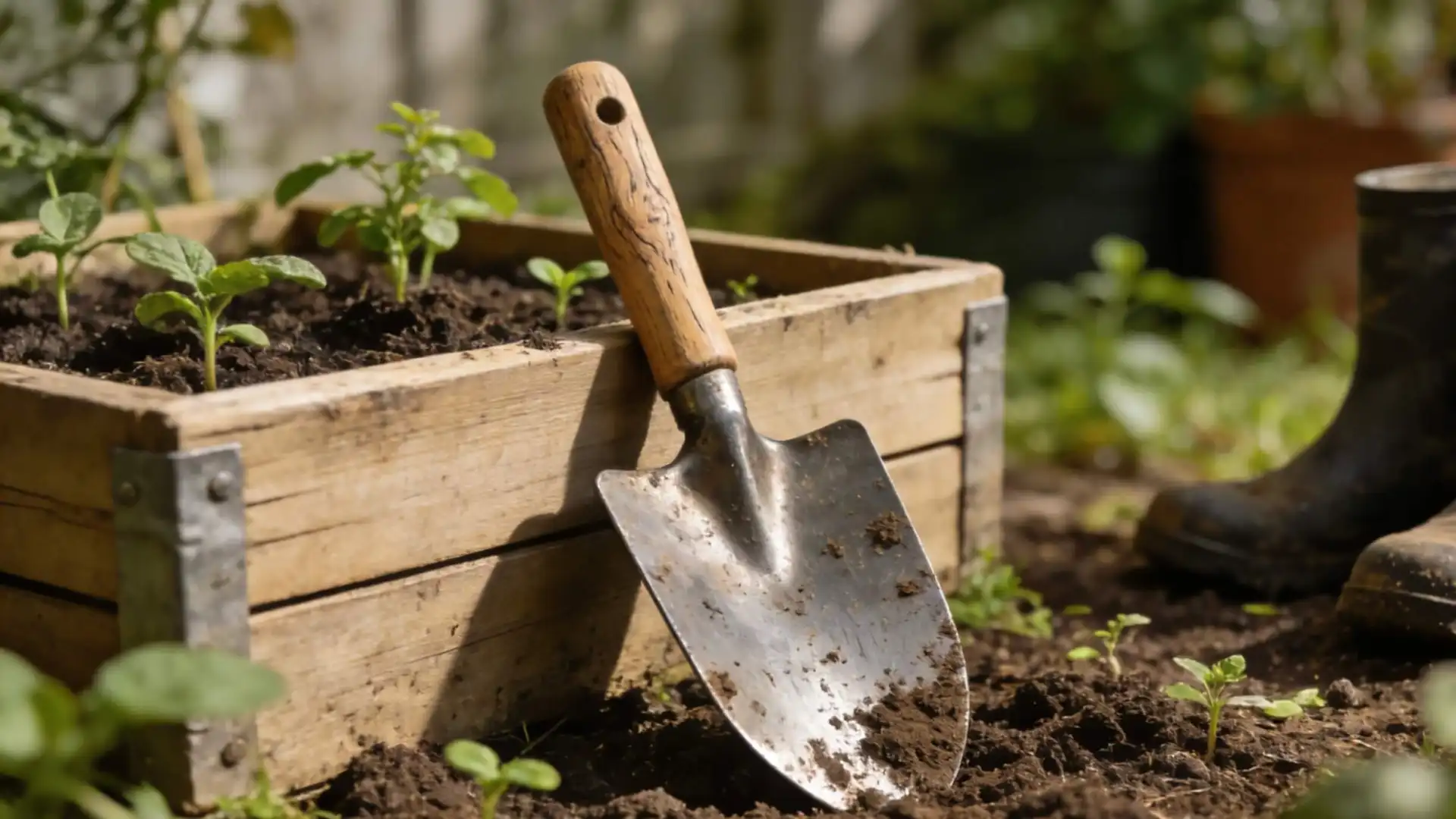
wholesale transplanting trowels material comparison
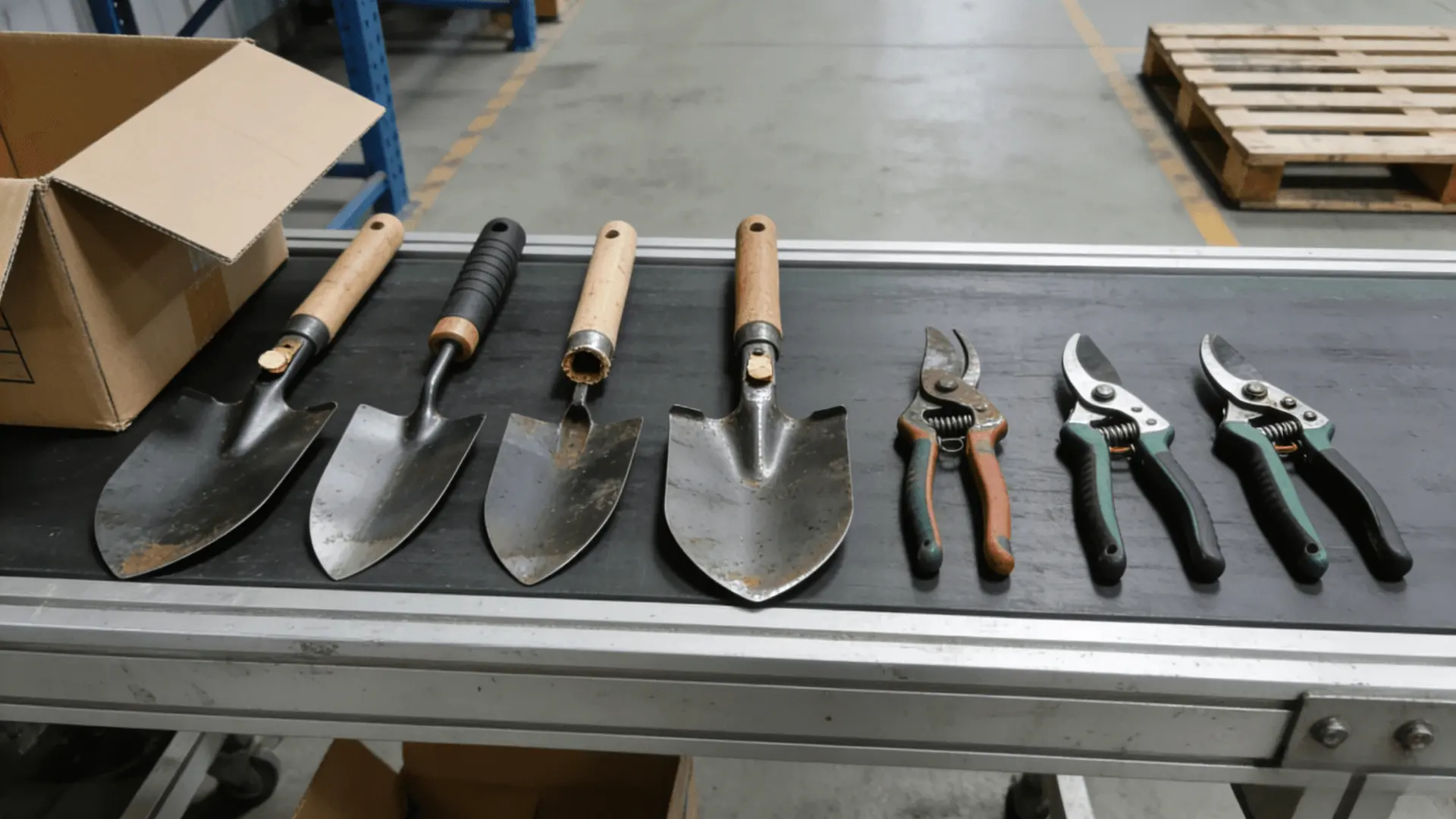
I am the operator of a wholesale garden tools company, Scarecrow Garden Supplier. In the past, I have contacted a lot of wholesalers and retailers, so I have also gained a lot of experience in purchasing transplant shovels from wholesalers. This article provides an in-depth analysis of key aspects to consider when purchasing a transplant shovel from the perspective of a wholesaler, aiming to help you.
What Wholesale Buyers Expect from Transplanting Trowels in Professional Supply Chains
When retail users buy a single tool, they focus more on the instant experience and are often willing to spend more for an appealing design and trusted brands, with greater attention to short-term warranty coverage.
As a wholesaler, the needs are more comprehensive:
- Profit margin structure: reasonable ex-factory price and market price space
- MOQ Flexibility: Accommodates seasonal demand fluctuations
- Technical support: product knowledge training and technical parameter support
- After-sales support system: quick replacement process for defective products
Common Issues Distributors Face When Sourcing Transplanting Trowels
- The retail packaging is incomplete, affecting the direct shelf launch.
- Shipping packaging is not enough to protect the product.
- Incorrect or missing label information
Inconsistent Quality
- The hardness of different batches of products varies significantly.
- The finish is inconsistent.
- Dimensional tolerances are outside acceptable limits.
Supply Chain Issues
- Delivery delays are not notified in advance.
- Order processing error.
- The MOQ changes suddenly.
Missing Documentation and Certification
- Missing compliance documentation.
- The quality inspection report is incomplete.
- Multilingual instructions are not provided
Materials Used in Wholesale Transplanting Trowels: Cost, Durability & Market Preference
Stainless-steel Grafting Shovels: The Choice for the High-end Market
Material Properties
- 420 or 440 series stainless steel is usually used.
- The chromium content is 12-18%, which has good rust resistance.
- No coating is required, and the surface can be mirrored or brushed.
Cost Analysis
- The cost of raw materials is 40-60% higher than that of carbon steel.
- The heat treatment process is more complex.
- But the cost of coating is saved.
Durability Performance
- 35 times longer life in humid environments.
- The wear resistance is medium, and the HRC hardness can reach 52-56.
- It is suitable for use in saline-alkali areas or by the sea.
Market Positioning
- Professional horticultural contractors.
- High-end residential market.
- Municipal garden department procurement.
Carbon Steel Transplant Shovel: The King of Cost Performance
Material Properties
- 1050 or 1060 carbon steel is commonly used.
- The carbon content is 0.5-0.6%, balancing hardness and toughness.
- The surface must be treated to prevent rust.
Heat Treatment Process
- The quenching + tempering process is mature.
- Ideal hardness for HRC48-52 can be achieved.
- The blade can be locally hardened.
Cost Advantage
- 30-50% lower raw material cost
- It is suitable for large-scale standardized production.
- Easy to repair and re-polish.
Market Coverage
- Mainstream wholesale market (about 65% share)
- Rental tool marketplace.
- Price-sensitive retailers.
Coated Steel Transfer Shovel: A Compromise Solution
Types of Coating Techniques
- Epoxy Coating: Good rust resistance, but limited wear resistance
- Teflon coating: non-sticky soil, easy to clean
- Powder coating: uniform thickness and many color options
- Galvanization: The lowest cost anti-rust solution
Performance Characteristics
- Rust resistance falls between that of stainless steel and carbon steel.
- Maintenance is still required after the coating wears out.
- Color diversification is conducive to brand differentiation.
Target Market
- Mid-range household market.
- Branded tool set.
- Educational institutions and community gardens.
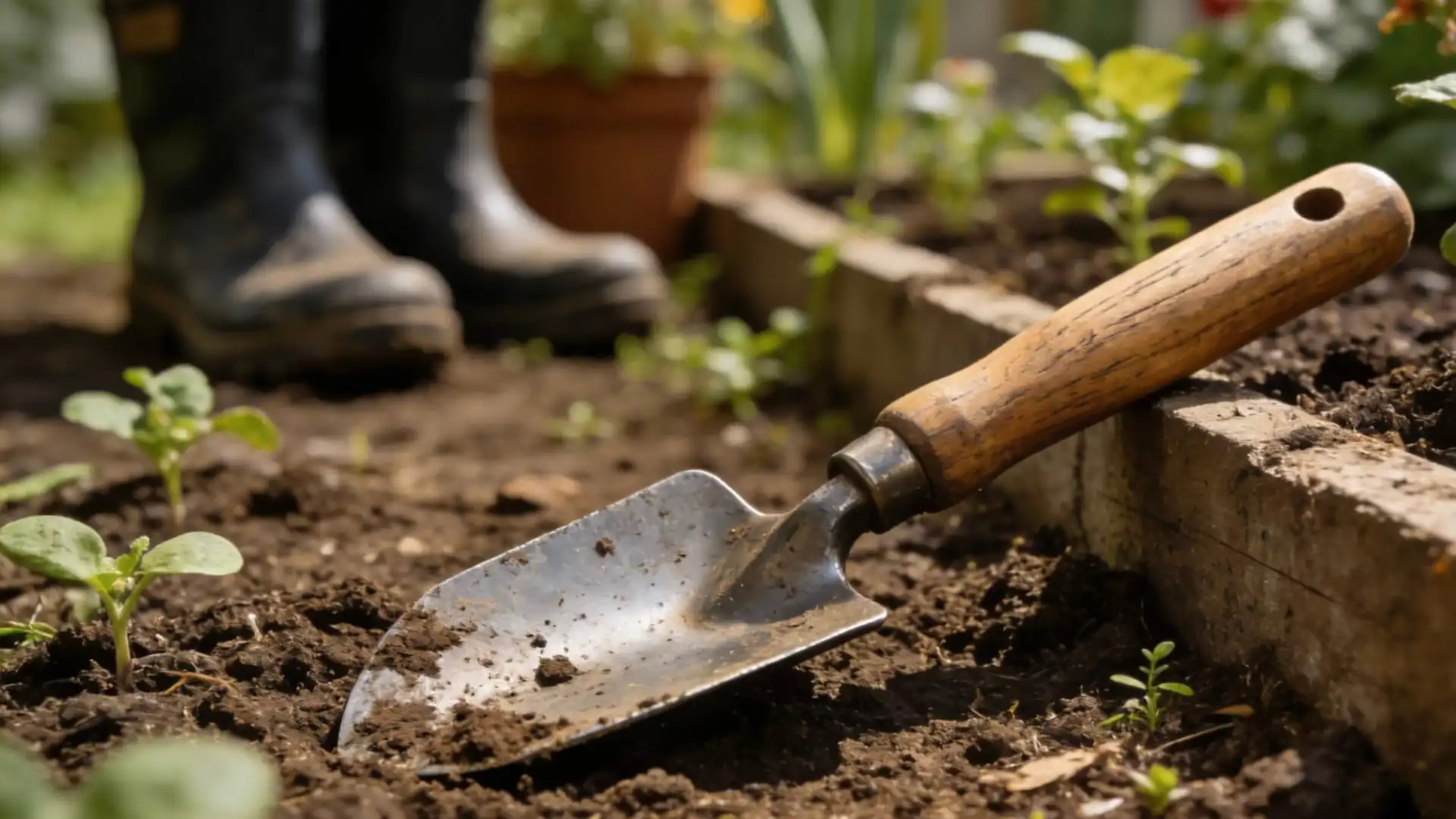
Stainless-Steel vs Carbon Steel: A Comparison from a Distributor’s Perspective
According to our analysis of sales data:
Carbon Steel Products:
- Top reasons for returns: surface rust, coating peeling, loose handle.
- Seasonal fluctuations: Carbon steel shovel recovery rate rises to 3.8% during the rainy season.
Stainless-Steel Products:
- Top reasons for returns: Shipping damage, handling issues, packaging errors.
- Seasonal fluctuations are not obvious.
It can be seen that while stainless-steel products cost more, the reduced return processing costs, customer service costs, and brand damage partially offset the price difference.
Product Lifecycle and Repeat Purchase Patterns
Typical life cycle of carbon steel shovels:
- Professional users: 8-14 months
- Ordinary users: 2-3 years
Typical life cycle of stainless-steel shovels:
- Professional users: 2-3 years
- Average users: 5-8 years
- The repeat purchase cycle has been significantly extended.
Recommendations
- For the professional user market, carbon steel products can bring more stable repeat orders
- For the high-end retail market, stainless-steel products have a low repurchase rate but larger profit margins
- Mixed inventory strategy:70%carbon steel products and 30% stainless steel, balancing cash flow with profit margins
Quality Control Points Professional Buyers Should Verify Before Bulk Orders
Thickness Tolerance
- If the thickness is uneven, it will lead to pressure concentration and shorten the service life.
- Affects the balance of feel.
- May cause heat treatment deformation.
Handle Fixing Method
Common fixing methods include riveting fixation, through bolts + lock nuts, or epoxy bonding + mechanical fixation.
Key Tool Angle Parameters
- Shovel surface angle: the best is 25-30 degrees, which affects the cutting efficiency.
- Handle inclination: the best is 15-20 degrees to reduce waist fatigue.
- Footboard angle: There should be a slight upturn to prevent slipping.
Why Long-Term Distributors Prefer Specialized Garden Tool Suppliers
Professional garden tool suppliers can work with distributors to analyze sales data and predict regional demand while sharing industry intelligence and competitor updates. In addition, our company understands the capital cycle of wholesale business and can provide more flexible payment terms.
In practice, distributors rarely source only one tool category. When building a complete pruning assortment, understanding the functional differences between tools is equally important — for example, Hedge Shears vs Grass Shears Wholesale, which directly impacts product positioning and inventory planning.
Conclusion
Hope this article on sourcing transplant shovels can help you. We are committed to providing wholesale partners with professional garden tool solutions with stable quality and a reliable supply chain. And we have 200+ cooperative factories; We can provide any garden category products. Also, we have sufficient experience for specific product specifications, sample testing, or supply chain inquiries. Welcome to contact us through Scarecrow Garden Supplier Co.,Ltd.
Written by
ScarecrowGarden
💡About Scarecrow Garden Supplier Co., Ltd.
Scarecrow Garden Supplier Co., Ltd. is a China-based sourcing and wholesale partner specializing in biaogarden tools, landscaping equipment, and outdoor supplies for international wholesalers, distributors, contractors, and brands.
With hands-on experience rooted in real garden use scenarios, we focus on durable materials, functional design, and stable large-volume supply. Our product range covers pruning tools, watering systems, hand tools, outdoor hardware, and customized garden solutions to support both retail and professional landscaping markets.
Beyond products, we help our partners navigate supplier selection, quality control, compliance requirements, and long-term sourcing strategies in China. Through our blog, we share practical insights on product selection, material comparisons, industry trends, and cost-effective purchasing—helping global buyers build stronger, more competitive supply chains.
Related Articles

How to Source from China Without Missing Your Peak Season
China Public Holidays 2026: A Buyer’s Guide to Avoid Supply Chain Disruptions Before Long Shutdowns
Why Bulk Garden Tool Orders Fail — and How We Help Buyers Prevent Costly Quality Issues in China