






Branding Support: 2026 Wholesale Buying Guide for Global Distributors
Introduction
In an era of rising complexity in supply chains, digital transformation, and shifting buyer expectations, global distributors must rethink how they support and partner with their brands. For 2026, wholesale buying is no longer just about price and logistics — it must incorporate branding support to strengthen value propositions, risk management, and long-term margins. This guide offers actionable insights for distributors worldwide, with real-world examples and forecasts, and introduces Scarecrow Garden Supplier as a case in point of brand-led distribution engagement.
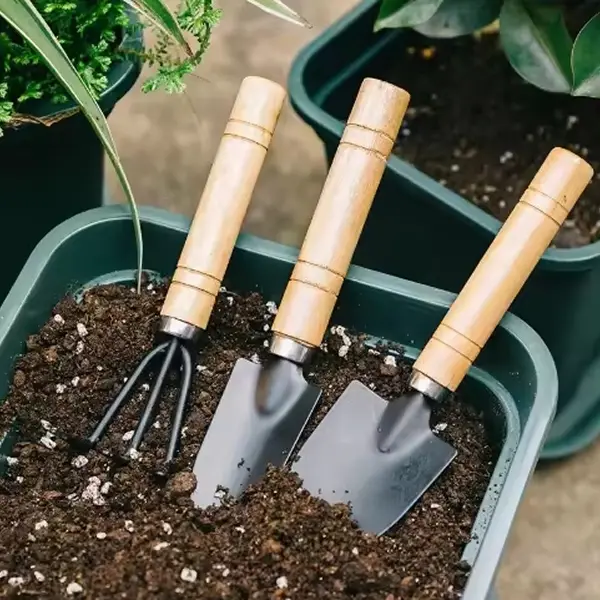
At Scarecrow Garden Supplier, we focus on connecting global buyers with high-quality garden hand tools and branding solutions that strengthen retail presence.
1. Market Outlook & Strategic Context
Global Wholesale Growth & Challenges
- According to 2024 data reported by a leading market intelligence agency, the global wholesale market was estimated at USD 56,663.2 billion and is projected to grow, reaching approximately USD 60,082.2 billion in 2025, with a CAGR of 6.0% over the mid-term horizon.
- Simultaneously, global merchandise trade growth is forecast to slow — the WTO recently revised its 2026 trade‐volume growth forecast down to just 0.5 % amid continuing tariff pressures, supply chain fragility, and geopolitical uncertainty as highlighted by global trade news analysis in late 2024.
- For distributors, this means that margins will be under pressure, variability in lead times will rise, and competition from digitally native players will intensify.
Sector Insight: Garden & Hand Tool Market
- The global gardening tools market was valued at USD 93.2 billion in 2024, with forecasts showing a growth trajectory toward USD 98 billion in 2025 and then onward toward USD 161 billion by 2034, implying a CAGR of around 5.7 % based on 2024 market data from an international research institute.
- The garden hand tools subsegment (hoes, pruners, rakes, etc.) was valued at USD 16.26 billion in 2023, and projected to grow at a CAGR of ~6.7% through 2030 according to industry projections from multiple global market analyses.
- This indicates healthy demand fundamentals in the garden tools sector, making it a compelling category for distributors who can combine scale with brand differentiation.
Taken together, distributors in the tool & garden sectors have an opportunity — but only if they evolve beyond commodity wholesale toward brand-enhancing partnerships.
2. Why Branding Support Matters in Wholesale
From Commodity to Differentiator
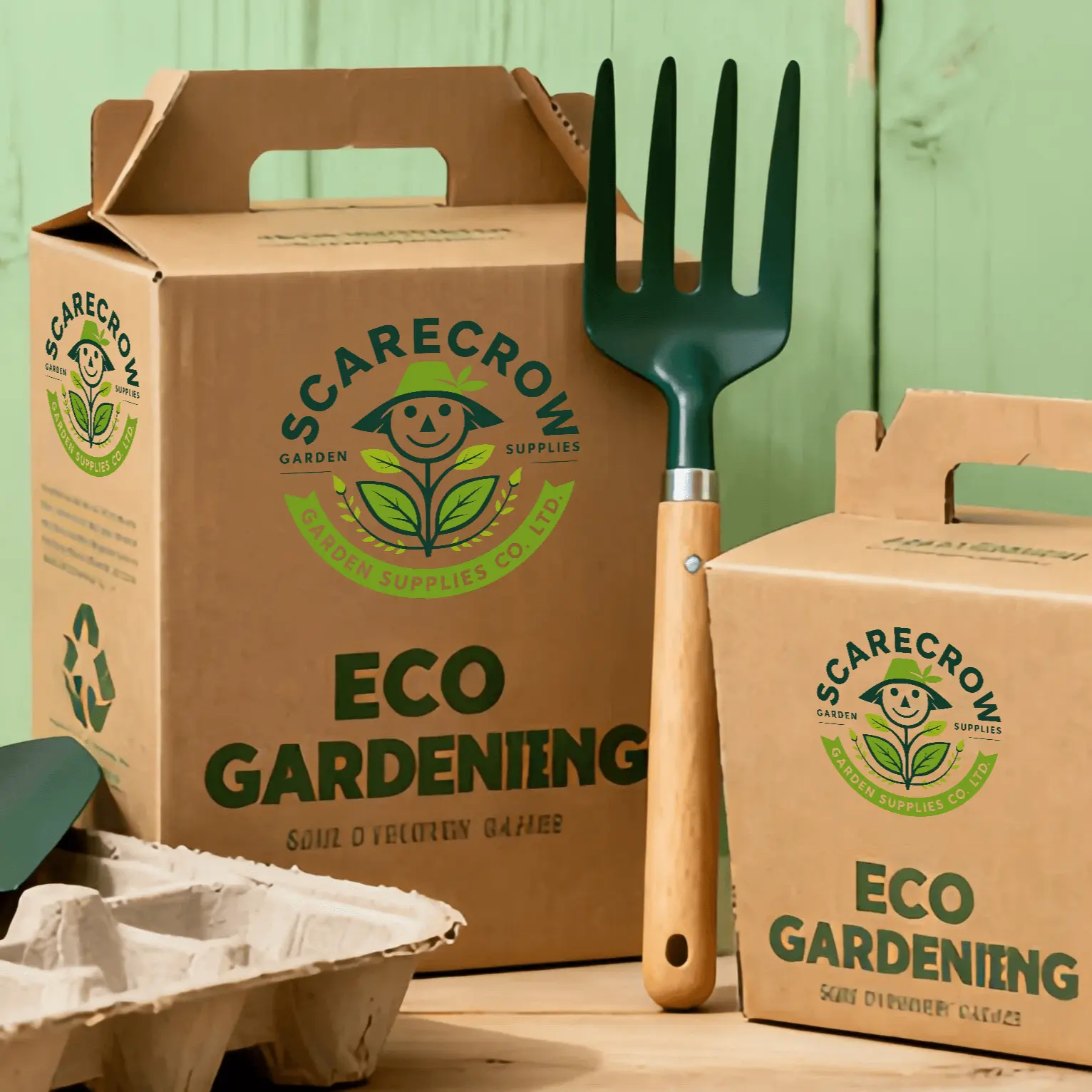
Traditionally, distributors compete on price, delivery, and breadth. But in saturated markets, differentiation becomes vital. A distributor that offers branding support (co-marketing, packaging innovation, standardized presentation) adds intangible value to suppliers. That value helps maintain margin and deepen the partnership.
Trust, Transparency & E-E-A-T
For garden tools distributors, brand consistency in packaging and message also enhances product trust and long-term recognition in local markets. Branding support also builds trust (Experience, Expertise, Authoritativeness, Trustworthiness). If distributors engage actively in brand positioning, they become stewards of product perception in the marketplace. That raises their stature with both suppliers and downstream retailers.
Mitigating Price Erosion & Race to the Bottom
When distributors help suppliers maintain consistent branding standards (e.g. quality, warranty, packaging), they reduce margin leakage caused by grey market sellers or unauthorized discounting. Branding support becomes a defensive moat.
Distributors that help with marketing campaigns, retailer training, localization of packaging, or point-of-sale promotion share risk with the brand, making suppliers more loyal and less likely to bypass them.
Thus, branding support is not “extra” — it becomes a central pillar of a modern distributor’s value proposition.
3. Core Elements of Branding Support for 2026
Below are six key pillars that a decisive distributor should master to provide branding support effectively in 2026.
| Pillar | Description | Distributor Role / Offerings |
| Brand Guidelines & Packaging Compliance | Ensure consistent look, feel, and messaging across markets | Offer templated packaging, translation/localization, artwork checks, eco-friendly materials |
| Co-Marketing & Demand Generation | Joint promotional efforts with shared investment | Run digital campaigns, social media co-marketing, trade show support, local ad subsidy |
| Product Training & Content | Educate trade partners and consumers | Create videos, UVPs, usage guides, certification programs |
| Retailer Merchandising & Display Solutions | Improve in-store presence | Provide shelving, POP displays, planogram support |
| Data & Analytics Support | Monitor performance & inform marketing | Share sell-through reports, customer segmentation, forecasting |
| Brand Protection & Compliance | Guard against counterfeits & misuse | Monitor distribution channels, enforce MAP (minimum advertised price), audit packaging authenticity |
These branding support pillars are increasingly relevant for wholesale garden supplies and landscaping tool distributors seeking differentiation.
Each of these pillars requires investment in process, teams, and digital capability — but together they convert distribution from transactional to strategic.
4. Best Practices & Case Illustrations
Example: Scarecrow Garden Supplier as a Brand-Driven Trading Partner.
Let’s imagine a mid-sized specialty tool brand, Scarecrow Garden Supplier, aiming to expand via distributors overseas. Here’s how a modern distributor might support them:
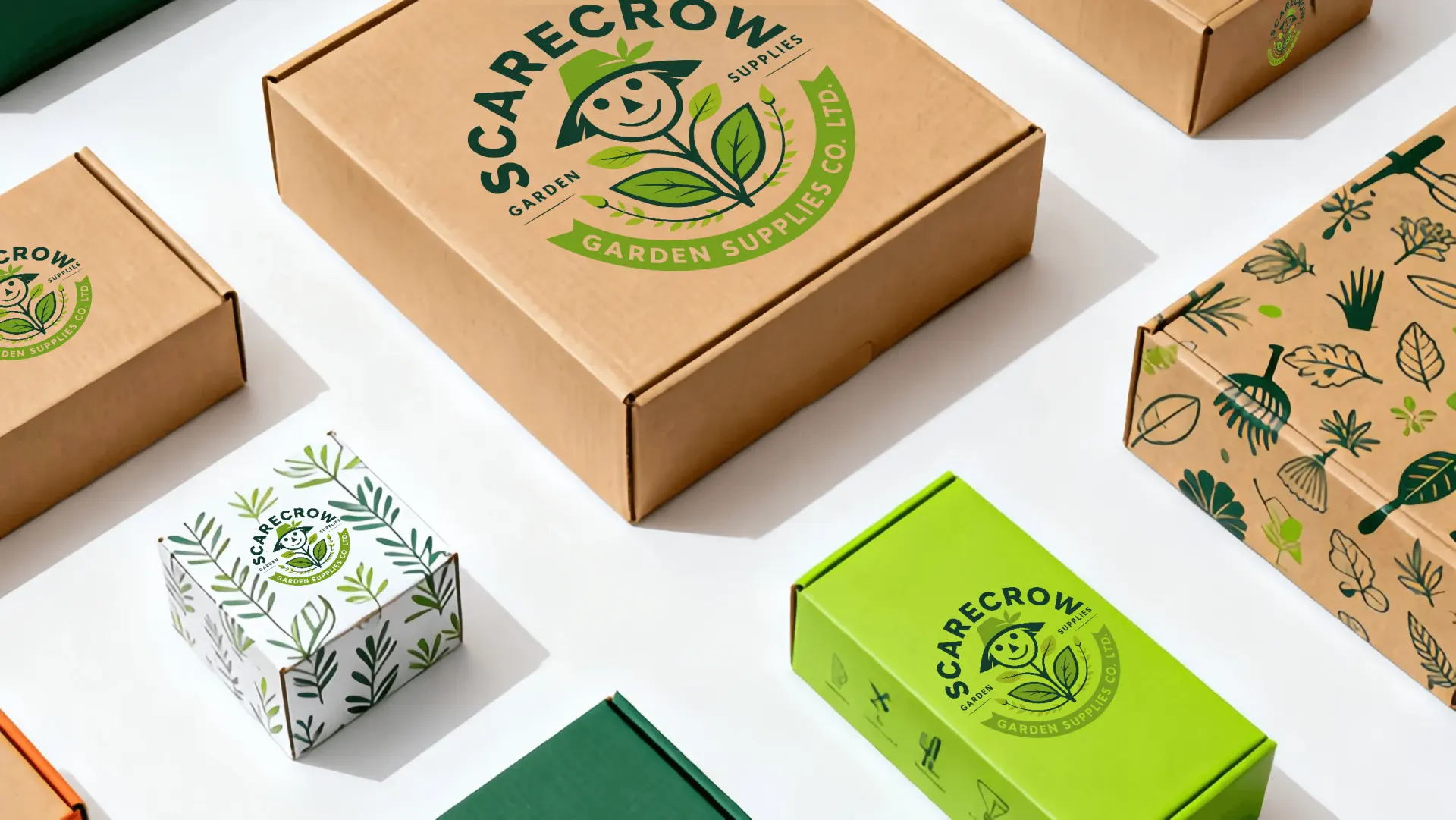
- Branded Launch Packages: The distributor markets a “2026 Starter Kit” for Scarecrow Garden Supplier to regional retailers, bundling catalogs, display stands, posters, and local marketing investment (e.g. influencer tie-ups).
- Localized Packaging & Manuals: The distributor offers to adapt packaging and instruction leaflets to local languages and regulatory needs, which helps Scarecrow Garden Supplier enter new markets without duplicative cost.
- Trade Training Webinars & Certification: The distributor organizes webinars for local garden centers, offering “Scarecrow Brand Ambassador” certificates to staff, with sales incentives.
- Digital Co-op Marketing Fund: The distributor commits a portion of the margin to run geo-targeted digital ads or sponsored content highlighting Scarecrow Garden Supplier, reinforcing brand presence.
- Sales Analytics Sharing: The distributor collects regional sell-through data and shares it back to Scarecrow Garden Supplier so that they can optimize SKUs, promotions, or product development for each geography.
This way, the distributor becomes an active growth partner, not just a middleman.
Industry Examples & Trends
- According to recent commerce technology analyses, distributors are increasingly adopting AI and predictive analytics to drive inventory optimization and co-marketing targeting.
- Industry case studies also reveal that tool distribution is rapidly shifting toward digital platforms and private label offerings.
- In wholesale transformation literature, a focus on “customer first” frameworks underscores the necessity for distributors to develop differentiated support capabilities as noted in professional consulting insights from 2024.
As a global garden supplier, Scarecrow continues to support distributors in co-marketing, packaging innovation, and brand value creation across markets.
5. Risk Management & Supplier Collaboration
Mitigating Lead Time & Delivery Variability
Recent research shows that delivery delays and variability have material production cost effects: firms respond by increasing inventory buffers, which tie up capital and squeeze margins based on recent academic modeling research.
Distributors should support branding by ensuring reliable lead times, buffer stock, and contingency planning. Contracts with Scarecrow Garden Supplier (or any brand) might embed service-level guarantees.
Collaborative Forecasting & 3PL Partnerships
Distributors and suppliers should co-invest in demand forecasting tools (machine learning models) and consider shared 3PL (third-party logistics) arrangements to reduce friction. The recent ACA-Net model demonstrates how graph learning can improve supply-demand alignment in logistics based on recent academic modeling research.
Performance Metrics & SLAs
Agreeing on joint KPIs such as sell-through rate, brand equity scores, and online review sentiment helps align interests. Distributors should also audit unauthorized sellers, ensure MAP rule compliance, and maintain quality oversight.
Exit & Reversion Rights
If a distributor underperforms in brand support, contracts should include reversion rights—i.e. the supplier can reclaim certain marketing assets or reassign territories.
6. Conclusion & Action Plan
To succeed in 2026, global distributors must evolve from pure logistics and margin brokers into branding partners. The value of offering upsell services — co-marketing, packaging compliance, training, analytics — is increasingly essential to differentiate in tightening markets.
To stay competitive in both general wholesale and garden equipment markets, distributors must integrate branding into every stage of their strategy.
Your 5-step action plan:
- Audit your current distributor value propositions and identify branding gaps
- Engage one or two strategic suppliers (e.g. Scarecrow Garden Supplier) in pilot branding support programs
- Invest in digital tools (analytics, content management, packaging automation)
- Establish KPIs and joint SLAs with suppliers
- Build content and internal linking infrastructure to support thought leadership in “branding support for distributors”
If you are still unsure, feel free to tell Scarecrow Garden Supplier Co., Ltd your needs. We can provide recommendations for your local market.

Written by
ScarecrowGarden
💡About Scarecrow Garden Supplier Co., Ltd.
Scarecrow Garden Supplier Co., Ltd. is a China-based sourcing and wholesale partner specializing in biaogarden tools, landscaping equipment, and outdoor supplies for international wholesalers, distributors, contractors, and brands.
With hands-on experience rooted in real garden use scenarios, we focus on durable materials, functional design, and stable large-volume supply. Our product range covers pruning tools, watering systems, hand tools, outdoor hardware, and customized garden solutions to support both retail and professional landscaping markets.
Beyond products, we help our partners navigate supplier selection, quality control, compliance requirements, and long-term sourcing strategies in China. Through our blog, we share practical insights on product selection, material comparisons, industry trends, and cost-effective purchasing—helping global buyers build stronger, more competitive supply chains.
Related Articles

How to Source from China Without Missing Your Peak Season

China Public Holidays 2026: A Buyer’s Guide to Avoid Supply Chain Disruptions Before Long Shutdowns
Why Bulk Garden Tool Orders Fail — and How We Help Buyers Prevent Costly Quality Issues in China