








When to Replace Landscaping Tools: Lifespan, Depreciation, and Maintenance Guide
Abstract (Introduction)
Knowing when to replace landscaping tools and equipment is one of the most overlooked factors affecting landscaping productivity and cost control. Landscaping equipment represents a significant capital investment for landscaping companies, and the timing of its replacement directly impacts operational costs, profitability, and service quality. Industry data shows unplanned landscaping equipment failures cause 20-30% of project delays, and improper replacement timing—either keeping outdated equipment or replacing functional tools early—wastes 15-20% of annual equipment budgets. Landscaping equipment replacement is not a random decision but a science based on depreciation cycles, maintenance records, and operational performance. This article explains how to determine when to replace landscaping tools, including depreciation timelines, performance indicators, and maintenance thresholds to extend equipment lifespan, helping landscaping businesses make cost-effective replacement decisions.
Main Body: Depreciation, Maintenance, and Replacement Timing for Landscaping Equipment
1. Core Factors That Determine When to Replace Landscaping Tools
Landscaping equipment replacement timing depends on three interrelated factors, including depreciation rate, operational performance degradation, and maintenance cost trends, each playing a critical role in the decision-making process.
Depreciation Rate: The Economic Lifespan Benchmark
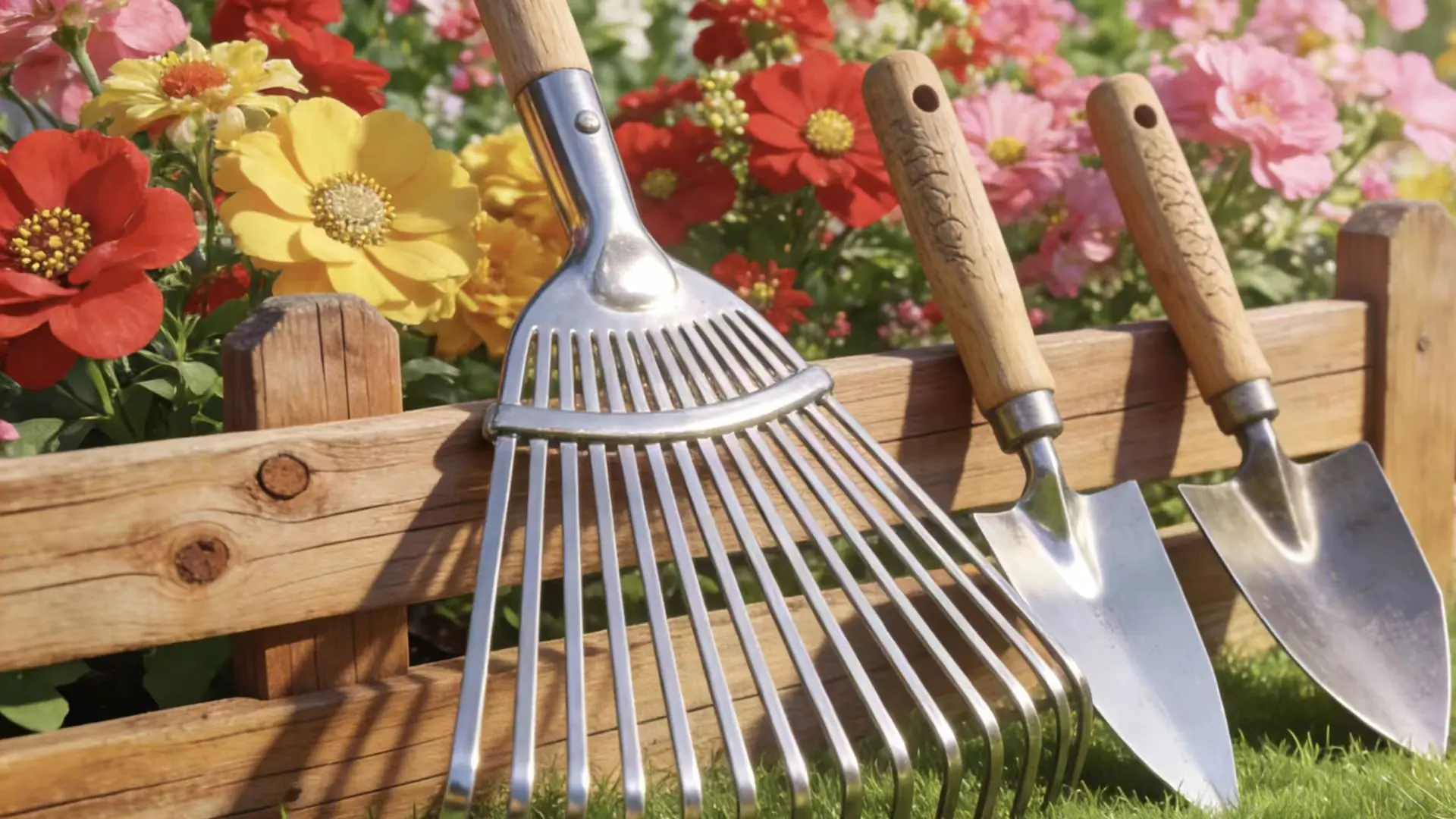
All landscaping tools and equipment undergo depreciation, with different categories following distinct depreciation curves. Small handheld landscaping tools, such as pruners, loppers, and rakes, typically have an economic lifespan spanning 3 to 5 years, with annual depreciation falling in the range of 20% to 30%. Power equipment (electric pruning shears, backpack blowers) depreciates at 15-25% annually, lasting 5-7 years. Heavy machinery (lawnmowers, hydraulic loppers) has a longer economic lifespan of 7-10 years, with annual depreciation rates of 10-15%. This depreciation data is derived from industry asset management reports tracking over 500 landscaping companies across North America. Equipment value dropping below 30% of the original purchase price usually signals the need for evaluation, as replacement may be more cost-effective than continued maintenance. This threshold serves as a practical benchmark for deciding when to replace landscaping equipment.
Operational Performance Degradation: The Functional Judgment Standard
Performance decline is one of the clearest signs of when to replace landscaping tools, especially for frequently used pruners, blowers, and lawnmowers. Small tools like pruners and loppers show performance degradation through reduced cutting precision, increased effort required for operation, and frequent jamming. Data shows pruners with blade wear exceeding 0.5 mm or loppers requiring 50% more force to cut standard branches (1.5 cm diameter) experience 30% lower work efficiency. Power equipment, such as electric pruning shears and blowers, displays degradation through reduced battery runtime (below 60% of original capacity), diminished motor power, and inconsistent performance. Heavy machinery like lawnmowers shows declining performance through uneven cutting, increased fuel consumption (exceeding 25% of initial rates), and extended operation time for the same tasks. Performance degradation reaching 25-30% compared to new equipment justifies replacement evaluation.
Maintenance Cost Trends: The Financial Threshold
Rising maintenance costs often trigger landscaping equipment replacement. The optimal maintenance-cost threshold is when annual maintenance expenses exceed 20-25% of the equipment’s current market value. For example, a 2,000 backpack blower with a 5-year lifespan has a current market value of 800 in its 4th year. Annual maintenance costs exceeding 160-200 indicate it is more economical to replace. Industry statistics show that landscaping companies continuing to use equipment beyond this threshold spend 35% more on total ownership costs over 2 years compared to replacing at the optimal time. Common high-maintenance issues include repeated motor repairs, blade replacements, and battery failures, each contributing to escalating costs.
2. How Long Landscaping Tools Last: Depreciation Cycles and Replacement Timelines
Various categories of landscaping equipment feature unique depreciation tendencies and suggested replacement timetables, anchored in usage intensity—most tools accumulate 200 to 300 operating hours per year—and standard maintenance protocols.
Small Handheld Landscaping Tools (Manual Pruners, Heavy-Duty Loppers, Metal-Tine Rakes)
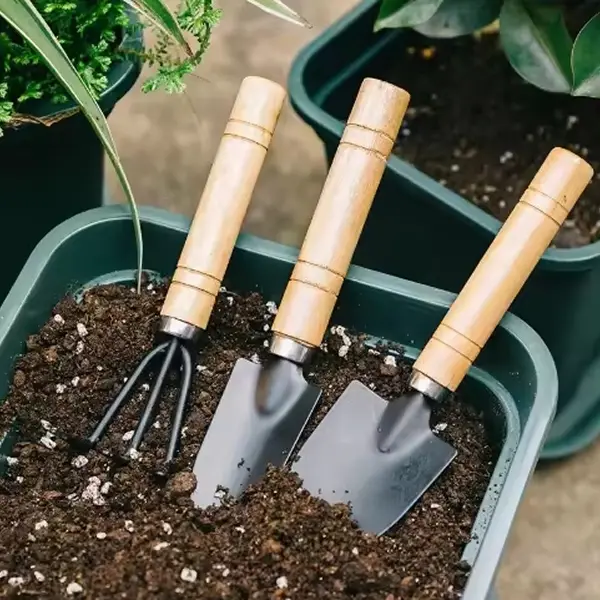
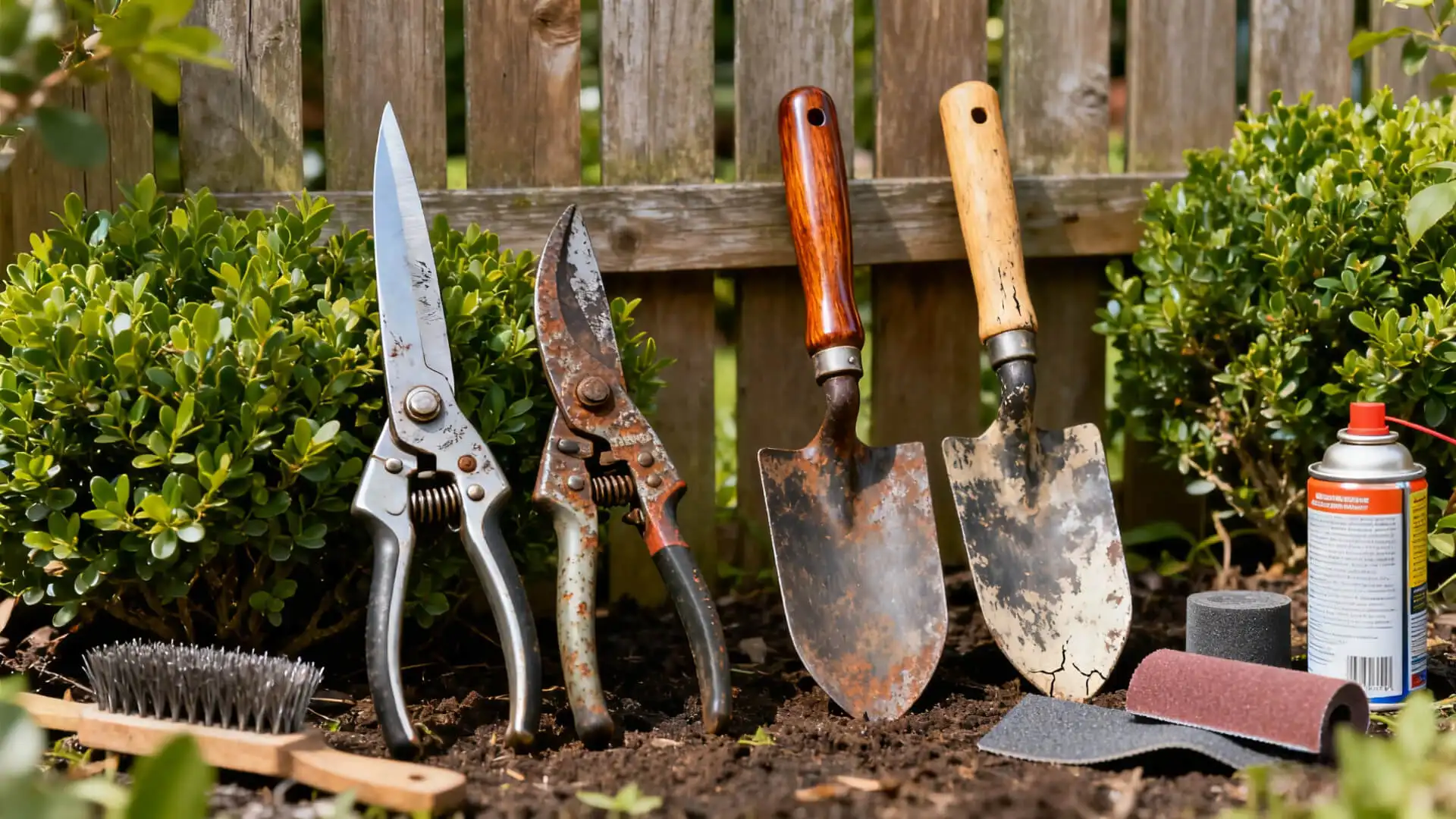
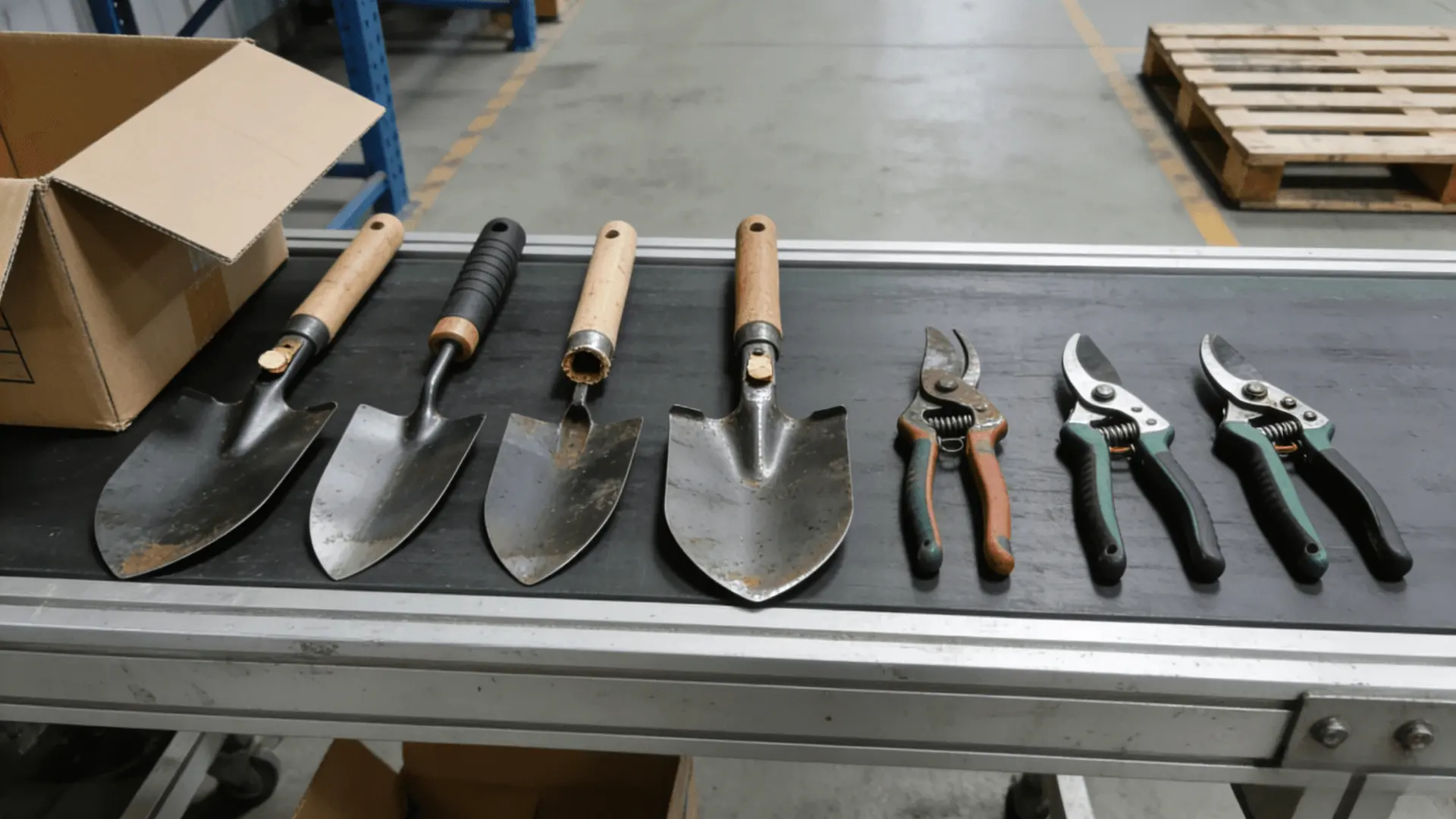
Understanding the typical lifespan of landscaping tools helps determine the optimal replacement window. Small handheld landscaping tools have the shortest economic lifespan of 3 to 5 years. High-carbon steel manual bypass pruners and heavy-duty loppers typically last 4 to 5 years with regular sharpening and lubrication; lower-grade models may need replacement within 2 to 3 years. Metal-tine rakes hold up for 3 to 4 years before frequent tine bending or handle breakage. Replacement signs include irreversible blade damage such as chips and cracks, handle structural looseness, and ongoing performance issues despite consistent maintenance. These handheld tools account for 10-15% of total equipment budgets; timely replacement avoids efficiency losses from substandard tools.
Power Equipment (Electric Pruning Shears, Backpack Blowers, Leaf Vacuum/Mulchers)
Power landscaping tools have a replacement cycle spanning 5 to 7 years. Cordless electric pruning shears feature battery degradation as the main reason for replacement—lithium-ion batteries lose substantial capacity after 300 to 500 charge cycles. Backpack blowers, whether gasoline-fueled or battery-operated, last 5 to 6 years; motor wear and reduced airspeed serve as key warning signs. Leaf vacuum/mulchers have a comparable service life, with blade dulling and diminished suction power indicating the need for replacement. Industry data shows power tools used beyond 7 years have 40% higher failure rates and 25% lower efficiency than newer models. Proper battery maintenance and regular motor upkeep can add 1 to 2 years to their lifespan.
Heavy Machinery (Lawnmowers, Hydraulic Loppers, Skid Steers)
Heavy landscaping machinery has the longest replacement cycle of 7-10 years. Ride-on lawnmowers and hydraulic loppers endure 8-10 years with proper engine maintenance and component replacement. Skid steers and large trimmers may last up to 10 years, depending on usage intensity. Replacement indicators include major engine or transmission failures, structural rust damage, and repair costs exceeding 30% of the machine’s replacement value. Industry data shows that heavy machinery replacement after 10 years reduces downtime by 40% and improves fuel efficiency by 15-20% compared to older equipment. Consistent oil changes, filter swaps, and structural checks are essential to achieving the equipment’s complete economic lifespan.
3. Maintenance Strategies to Extend Landscaping Equipment Lifespan
Proactive maintenance is the most effective way to extend landscaping tool lifespan and delay equipment replacement, with proper practices extending lifespan by 20-30% and reducing maintenance costs by 35%.
Routine Maintenance: Daily and Weekly Practices
Daily upkeep for small landscaping implements involves clearing debris from blades, lubricating moving components, and checking for visible wear or damage. Power equipment requires daily checks of battery charge levels (for cordless models), fuel levels (for gasoline models), and air filter cleanliness. Weekly maintenance involves sharpening pruning blades, adjusting tool components (like rake tines or blower nozzles), and testing operational performance. These straightforward upkeep tasks take 5 to 10 minutes per tool each day, yet prevent 60% of common equipment malfunctions. Landscaping teams that stick to regular maintenance schedules report 25% longer equipment service lives than those with erratic maintenance habits.
Preventive Maintenance: Monthly In-Depth Inspections and Seasonal Landscaping Equipment Care
Monthly preventive upkeep focuses on thorough equipment inspections and targeted component care for landscaping tools. For power-driven landscaping tools, this entails cleaning battery terminals, inspecting motor housings, and lubricating gears and bearings. Small handheld implements gain value from monthly blade sharpening and handle stability assessments. Seasonal maintenance, carried out at both the start and conclusion of the landscaping season, holds critical importance. It involves full disassembly of complex equipment, rust treatment, replacement of worn components such as O-rings or springs, and proper storage protocols. Winter storage demands draining fuel from gasoline-powered tools or fully charging and storing batteries in cool, dry spaces. Seasonal maintenance on its own extends equipment service life by 15-20%.
Professional Maintenance: Annual Servicing and Post-Event Critical Checks
Annual professional servicing is advised for heavy landscaping machinery and high-value power tools. Certified technicians conduct thorough diagnostic assessments covering engine compression tests, battery capacity checks, and structural integrity evaluations. They pinpoint concealed problems that routine upkeep might overlook, such as internal component deterioration or electrical system decline. Professional maintenance comes at a cost of 5-8% of the equipment’s original purchase price yet prevents 80% of major operational failures. Critical inspections become necessary following equipment accidents or intense usage scenarios, like lawnmowers striking rocks or blowers being overloaded. These specialized inspections determine whether equipment repair is viable or full replacement is the more practical solution.
Call to Action
Timing the replacement of landscaping equipment strikes a balance between economic efficiency, operational performance, and maintenance costs. Adhering to depreciation periods, monitoring performance decline, and putting proactive maintenance strategies into practice enables landscaping businesses to maximize equipment value and cut down on unnecessary expenses. Provide details of your current equipment fleet, such as tool categories, operating hours, maintenance logs, and budget limitations, if your landscaping company faces challenges with equipment replacement decisions or aims to optimize maintenance timetables. I will create a personalized landscaping equipment replacement and maintenance plan designed for your business, supporting you in extending equipment service life, lowering operational costs, and sustaining consistent service quality.
A structured approach helps landscaping companies decide when to replace landscaping tools without overspending. If you are still unsure, feel free to tell Scarecrow Garden Supplier Co., Ltd your needs. We will then provide recommendations based on your characteristics of your local market.

Written by
ScarecrowGarden
💡About Scarecrow Garden Supplier Co., Ltd.
Scarecrow Garden Supplier Co., Ltd. is a China-based sourcing and wholesale partner specializing in biaogarden tools, landscaping equipment, and outdoor supplies for international wholesalers, distributors, contractors, and brands.
With hands-on experience rooted in real garden use scenarios, we focus on durable materials, functional design, and stable large-volume supply. Our product range covers pruning tools, watering systems, hand tools, outdoor hardware, and customized garden solutions to support both retail and professional landscaping markets.
Beyond products, we help our partners navigate supplier selection, quality control, compliance requirements, and long-term sourcing strategies in China. Through our blog, we share practical insights on product selection, material comparisons, industry trends, and cost-effective purchasing—helping global buyers build stronger, more competitive supply chains.
Related Articles

How to Source from China Without Missing Your Peak Season
China Public Holidays 2026: A Buyer’s Guide to Avoid Supply Chain Disruptions Before Long Shutdowns
Why Bulk Garden Tool Orders Fail — and How We Help Buyers Prevent Costly Quality Issues in China