






Updated 2 months ago
Types and Differences of Garden Hoses: A Comprehensive Sourcing Guide for Wholesale Buyers
ScarecrowGarden
💡About Scarecrow Garden Supplier Co., Ltd.
Scarecrow Garden Supplier Co., Ltd. is a China-based sourcing and wholesale partner specializing in biaogarden tools, landscaping equipment, and outdoor supplies for international wholesalers, distributors, contractors, and brands.
With hands-on experience rooted in real garden use scenarios, we focus on durable materials, functional design, and stable large-volume supply. Our product range covers pruning tools, watering systems, hand tools, outdoor hardware, and customized garden solutions to support both retail and professional landscaping markets.
Beyond products, we help our partners navigate supplier selection, quality control, compliance requirements, and long-term sourcing strategies in China. Through our blog, we share practical insights on product selection, material comparisons, industry trends, and cost-effective purchasing—helping global buyers build stronger, more competitive supply chains.
Types of Garden Hoses: Materials, Differences, and Applications | Scarecrow Garden Supplier
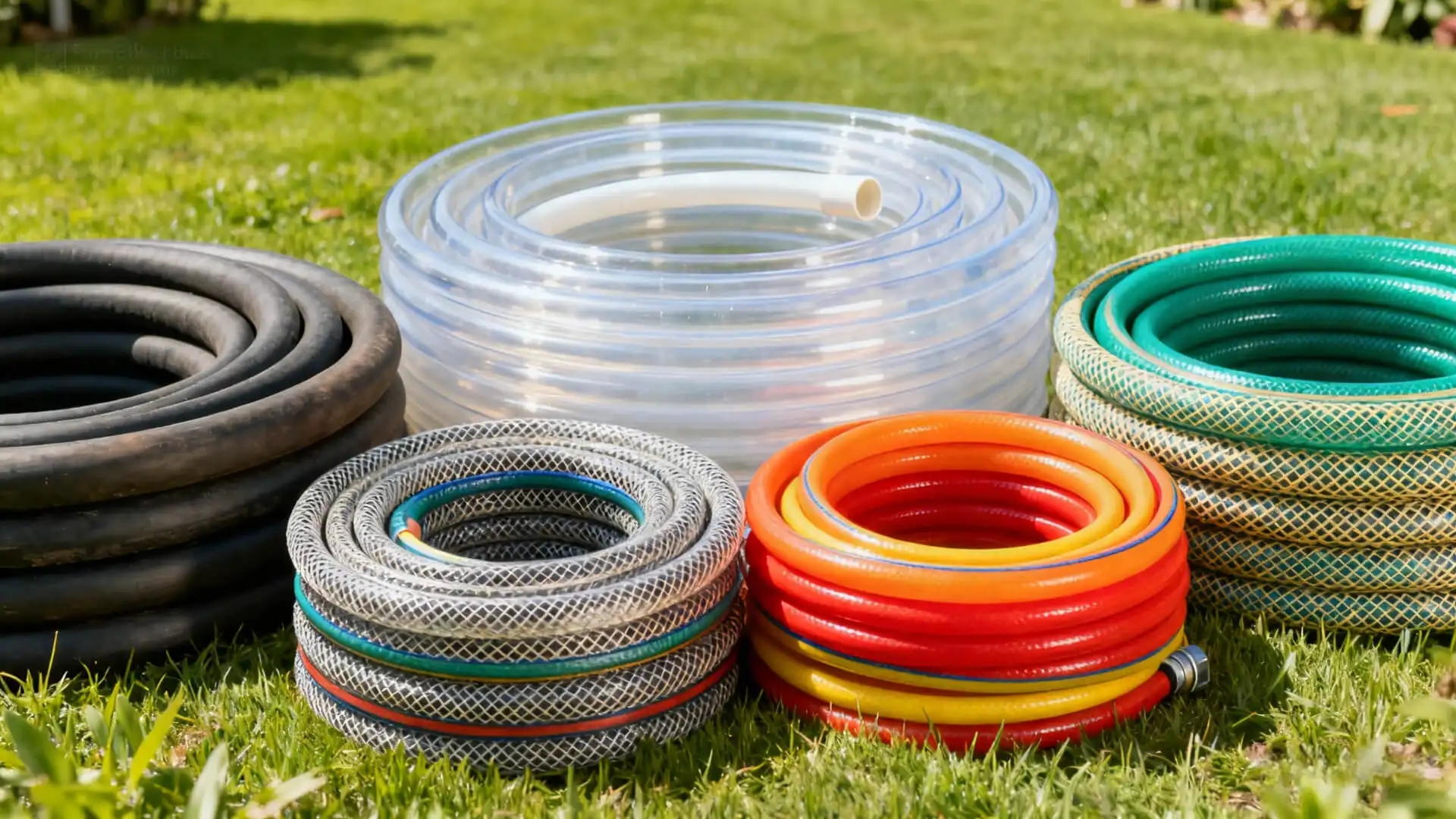
Garden hoses are flexible and essential tools used for transporting water in home gardens, landscaping areas, farms, and outdoor cleaning tasks. They are usually made of rubber, polyurethane or plastic. This tool is at the core of modern yard care and outdoor cleaning. It is very light, easy to move around and won't rust.
As a staple in the garden tool market, garden hoses are high-turnover items for retailers and garden centers. Their diverse applications—from domestic lawn care to professional landscaping—make them an essential category for any wholesale inventory. The water from the sprayer falls precisely on the target, providing the necessary moisture for flowers, vegetables and fruits. They are also suitable for many outdoor cleaning tasks. Tasks such as watering flowers, irrigating vegetable gardens or cleaning backyards all require garden hoses.
This article explores the types of garden hoses. We examined the materials, functions and structures. We also studied their features, uses and comparisons among hoses made of different materials.
Understanding the differences between hose materials and structures helps homeowners and professional gardeners choose the most durable and cost-effective option for long-term use.
Types of Garden Hoses and Their Key Differences
Classified by Material
1. Rubber hose: This type uses either natural or artificial rubber. It feels very soft and can maintain its shape when pulled. It is suitable for surfaces with pressure changes and complex conditions. Its weaknesses are animal bites and high temperatures. These things will damage it and make it age faster. Not suitable for users who need lightweight hoses or only require occasional household watering.
• Application: They work well in high-intensity, professional or commercial environments. For example, construction sites, professional gardening, farm irrigation or places that require frequent towing and heavy use. For owners of large yards who don't mind weight, rubber hoses are a "once and for all" solution.
2. PVC (polyvinyl chloride) hose: This inexpensive and lightweight hose is easy to install and move. It has very poor weather resistance and anti-aging performance. Under direct sunlight, it will harden and decompose.
Application: PVC garden hoses are best for light, occasional watering tasks where budget is the primary concern. They are suitable for small patios, balcony plants, and temporary outdoor cleaning.
The tasks here include watering the home garden from time to time. This also means irrigating small potted plants. There are also temporary cleaning tasks, such as flushing the balcony.
Do not store it in an extremely hot place for a long time. Don't go to extremely cold places either. Also, stay away from damp places.
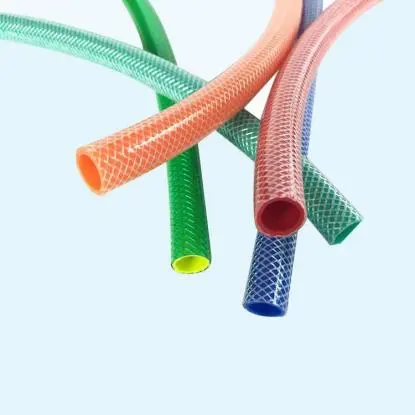
3. Multi-layer composite hose: It features a PVC or rubber inner tube as part of its structure. There is an additional polyester braided layer and an outer layer resistant to ultraviolet rays. This structure makes it lightweight, strong, and resistant to expansion and bursting.
• Application: It is a multi-functional "universal hose" suitable for both household and semi-professional uses. It is suitable for users who frequently drag hoses, need long-distance water flow, and wish to avoid the high cost of pure rubber.
4. TPR (Thermoplastic rubber) material: It combines the flexibility of rubber and the lightness of PVC, endowing it with anti-aging properties and resistance to high/low temperatures as well as chemical corrosion. It works with neutral fertilizer solutions. It has a smooth and non-sticky feel. Its price lies between that of PVC and rubber hoses. It offers a balanced option for homeowners who want flexibility without the high cost of pure rubber hoses.
Application: With a balanced cost-performance ratio, it is very versatile for home flower irrigation, garden irrigation, outdoor cleaning, and more. It is also suitable for transporting low-concentration nutrient solutions in small farms or greenhouses.
5. Nylon-reinforced braided material (inner PVC/PE + outer nylon braided): Composed of an inner PVC/PE layer and an outer nylon braided layer. This external weaving is endowed with high burst resistance and tensile strength. The inner layer prevents leakage and handles acids/alkalis. It is harder than pure PVC and lighter than rubber, but less flexible. However, once the outer nylon mesh shows visible wear, the hose may lose pressure resistance and should be replaced promptly.
Applications: Commercial entrance cleaning, long-term maintenance of home courtyards, and horticultural work that requires the transportation of low-concentration pesticides/fertilizers are typical uses. These are medium and high-frequency scenarios.
·Classified by Function
- Micro-sprinkler tape: It has many small holes. These holes evenly diffuse water, creating a fine mist effect. This makes it suitable for lawn irrigation and the installation process is easy.
- Perforated hose: Also known as drip irrigation pipe. Porous hoses can be buried underground or laid on the ground. It allows water to seep slowly to the roots of the plants. This has greatly improved efficiency.
- High-pressure hose: Used for handling high-pressure water. Its design is suitable for intense flushing work. This includes cleaning garden tools or vehicles.
Choosing the right hose structure can significantly improve watering efficiency and storage convenience, especially for small home gardens or large landscaping projects.
·Classified by Structure
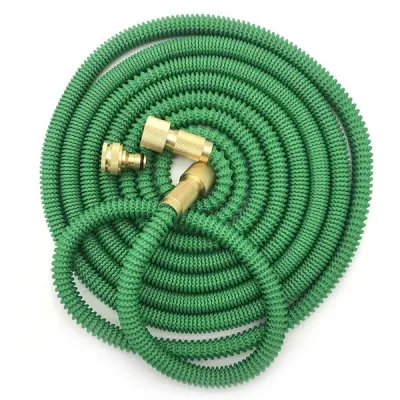
1. Extendable hose: This type uses rubber or elastic materials. When filled with water, its length increases. When it is empty, it will retract, which is convenient for storage and carrying. However, its service life is limited.
2. Spiral hose: It adopts a coiled design. You expand it for use. After that, it will automatically contract into a tight spiral. This requires very little storage space. It's good for the small garden.
Differences Between Garden Hose Materials
1. Solid rubber hoses: They are heavy and expensive. They are more durable than any other type. It can maintain elasticity even at -40°C and will not crack. It withstands high-pressure impact. It is very common to last for ten years. It is perfect for a large yard, a commercial nursery, or a very cold place. It's hard to drag, but you can use it without any worries.
Applicable to: professional plant care, construction sites, and frequent hard work. It's also great for family users who want to make a one-time purchase and use it for a long time.
2. PVC (polyvinyl chloride) hose: This type of hose is lightweight and inexpensive, but it is the most durable. Cold makes it hard and sunlight makes it brittle after six months. Distortion can lead to fracture, and its lifespan is one to two years. This hose is designed for users with tight budgets and occasional "light users."
Suitable for: short-term, occasional light watering work, or users with a very tight budget.
3. Multi-layer composite hose: It has layers of different materials, such as PVC and fiber. This gives a great mix of light weight and strength. It is easier to bend than ordinary PVC and can withstand higher pressure. It is also anti-aging and wear-resistant.
Applicable to: The common choice of most families. It is very suitable for watering, washing cars and cleaning the yard every day.
4. TPR (Thermoplastic rubber) hose: This material combines the flexibility of rubber and the lightness of plastic. This material feels soft to the touch, remains elastic in cold conditions and is non-sticky at high temperatures. It is not easy to twist or fold. It is more durable than standard PVC and lighter than pure rubber.
Scope of application: It is suitable for users who need lightweight and flexible hoses. It is also suitable for those who need safe drinking water or use it on the balcony.
5. Nylon braided hose: Just like plastic armor. The inner liner is made of polyvinyl chloride, but the nylon mesh outside rapidly enhances the pressure resistance of car washing. However, the worn mesh will expand, so it is suitable for short-term high-pressure operations. For long-term use, pure rubber is better.
Scope of application: This hose is suitable for frequent high-pressure water jets, high-pressure environments and commercial or heavy-duty applications.
In general, rubber hoses offer the highest durability, PVC hoses are the most budget-friendly, and composite or TPR hoses provide a balanced solution for everyday gardeners.
Conclusion
Garden irrigation, plant watering, vehicle washing, outdoor surface cleaning - Garden hoses are your indispensable, reliable partners to complete these tasks. They are very light. They are very flexible and easy to use. They work well in all kinds of situations. You might be a homeowner taking care of the garden flowers. You can be a professional landscape designer, maintaining the shape of public green Spaces. No matter which way, high-quality garden hoses help create a clean and beautiful environment. It is an important helper in this work.
Whether you are a homeowner caring for daily plants or a landscaping professional managing large outdoor areas, selecting the right garden hose improves efficiency and long-term reliability. As a trading company, Scarecrow Garden Supplier can help you source garden hoses in different materials, lengths, and specifications according to your market needs.
Written by
ScarecrowGarden
💡About Scarecrow Garden Supplier Co., Ltd.
Scarecrow Garden Supplier Co., Ltd. is a China-based sourcing and wholesale partner specializing in biaogarden tools, landscaping equipment, and outdoor supplies for international wholesalers, distributors, contractors, and brands.
With hands-on experience rooted in real garden use scenarios, we focus on durable materials, functional design, and stable large-volume supply. Our product range covers pruning tools, watering systems, hand tools, outdoor hardware, and customized garden solutions to support both retail and professional landscaping markets.
Beyond products, we help our partners navigate supplier selection, quality control, compliance requirements, and long-term sourcing strategies in China. Through our blog, we share practical insights on product selection, material comparisons, industry trends, and cost-effective purchasing—helping global buyers build stronger, more competitive supply chains.
Related Articles

How to Source from China Without Missing Your Peak Season
China Public Holidays 2026: A Buyer’s Guide to Avoid Supply Chain Disruptions Before Long Shutdowns
Why Bulk Garden Tool Orders Fail — and How We Help Buyers Prevent Costly Quality Issues in China