






Stainless Steel vs Carbon Steel Garden Tools: Which Is Better?
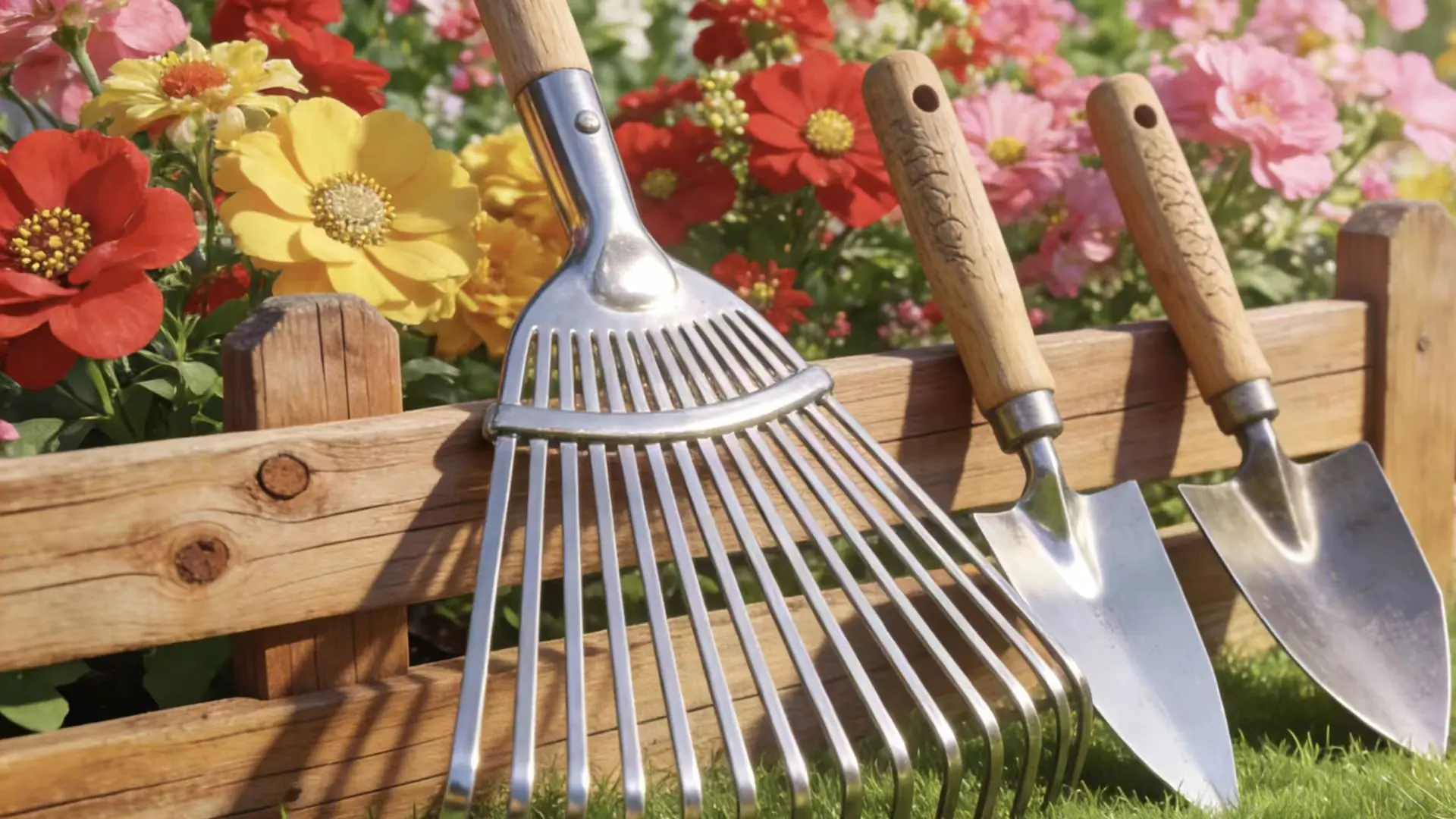
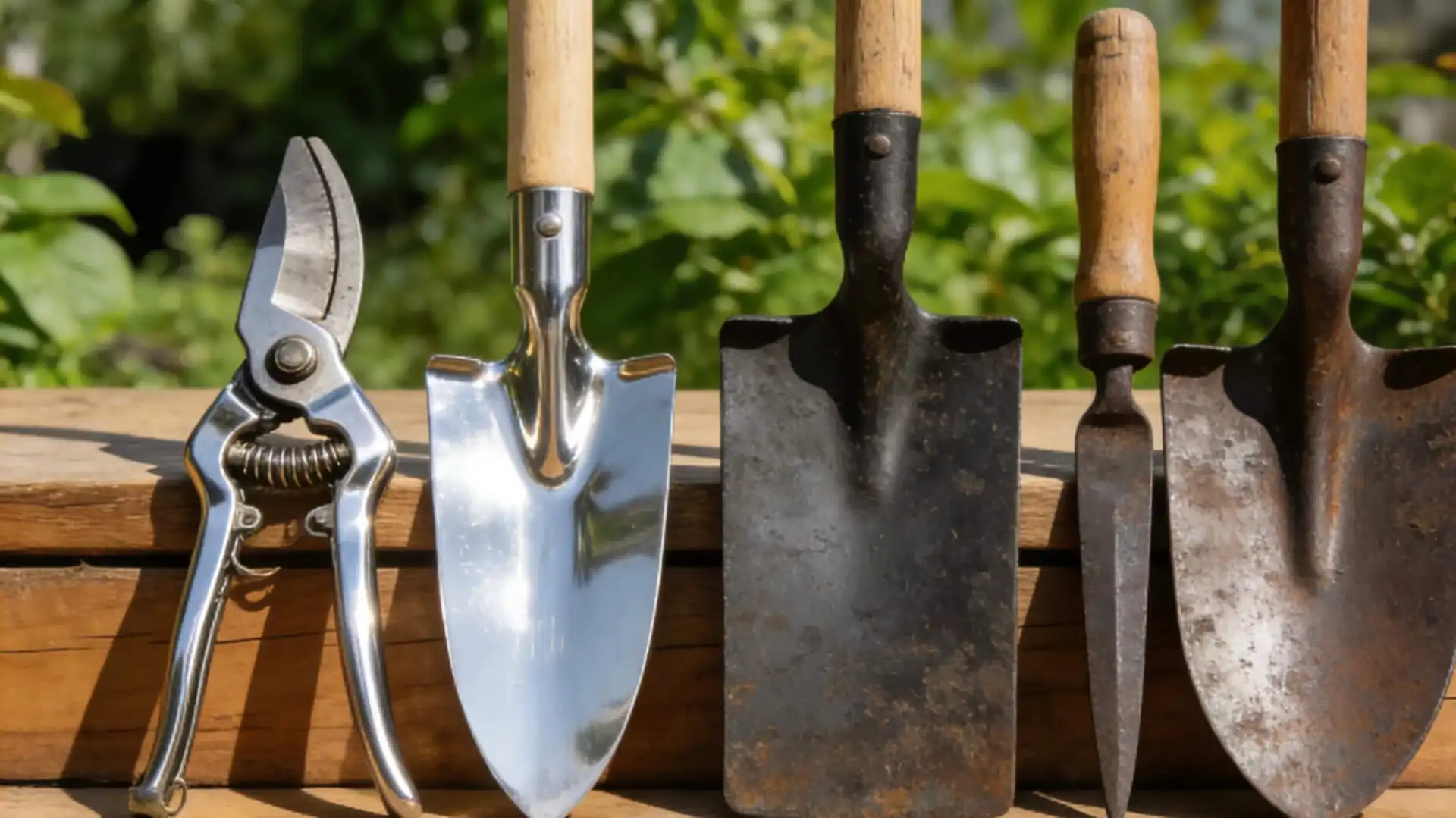
Stainless steel vs carbon steel garden tools is one of the most common questions among wholesale buyers and professional landscapers. These two materials dominate today’s gardening market, but their performance, maintenance requirements, and long-term costs differ significantly. This article compares stainless steel and carbon steel garden tools from multiple perspectives to help buyers, distributors, and first-time importers make informed decisions.
Material Essential Differences
Stainless steel is essentially a "smart alloy" that adds at least 10.5% chromium to the iron base. This key formulation allows it to form an extremely thin yet extremely tough protective layer of transparent chromium oxide. Because carbon steel does not contain chromium, the anti-rust effect does not exist.
Comparison of Five Core Performances
Corrosion Resistance
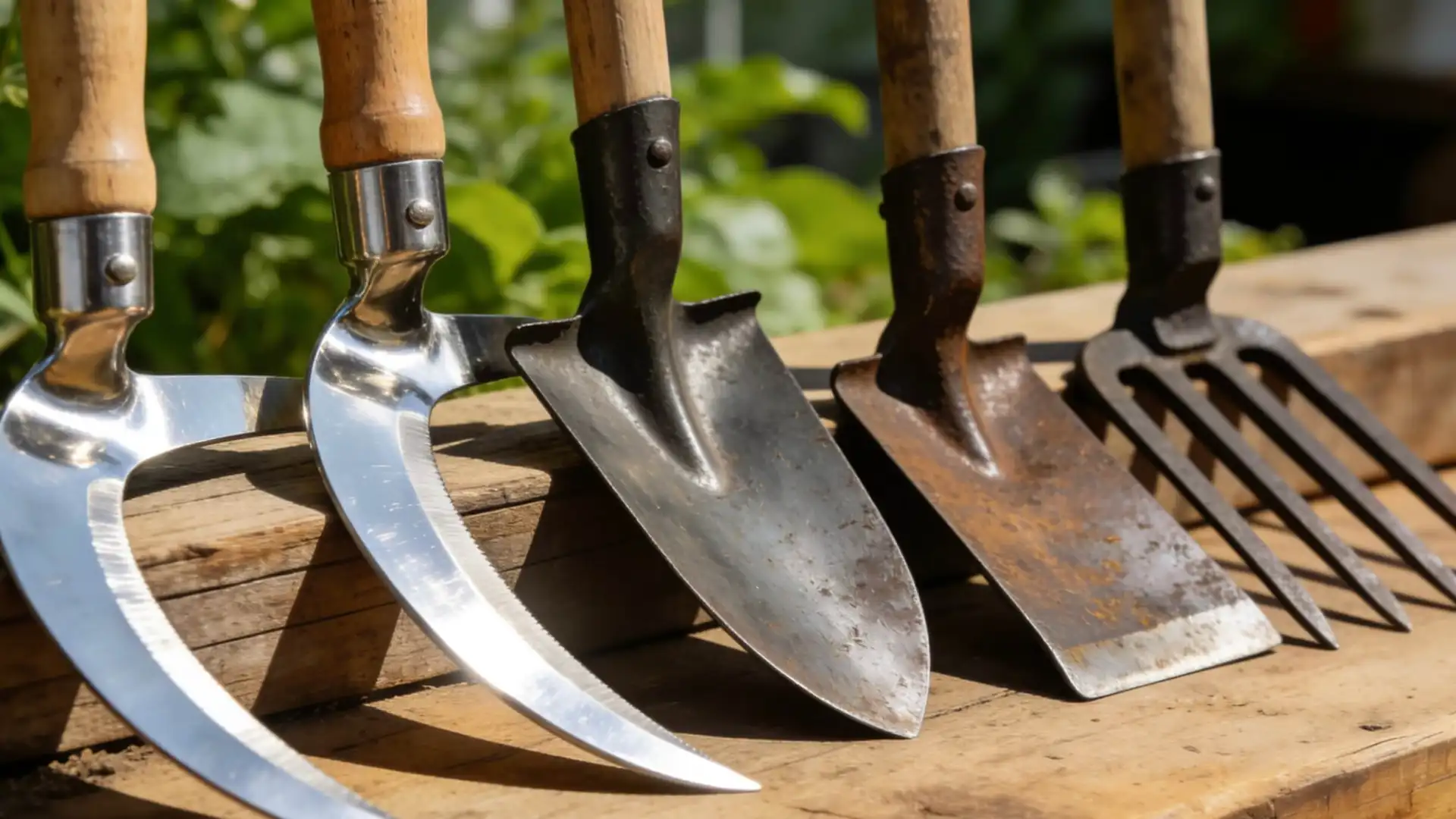
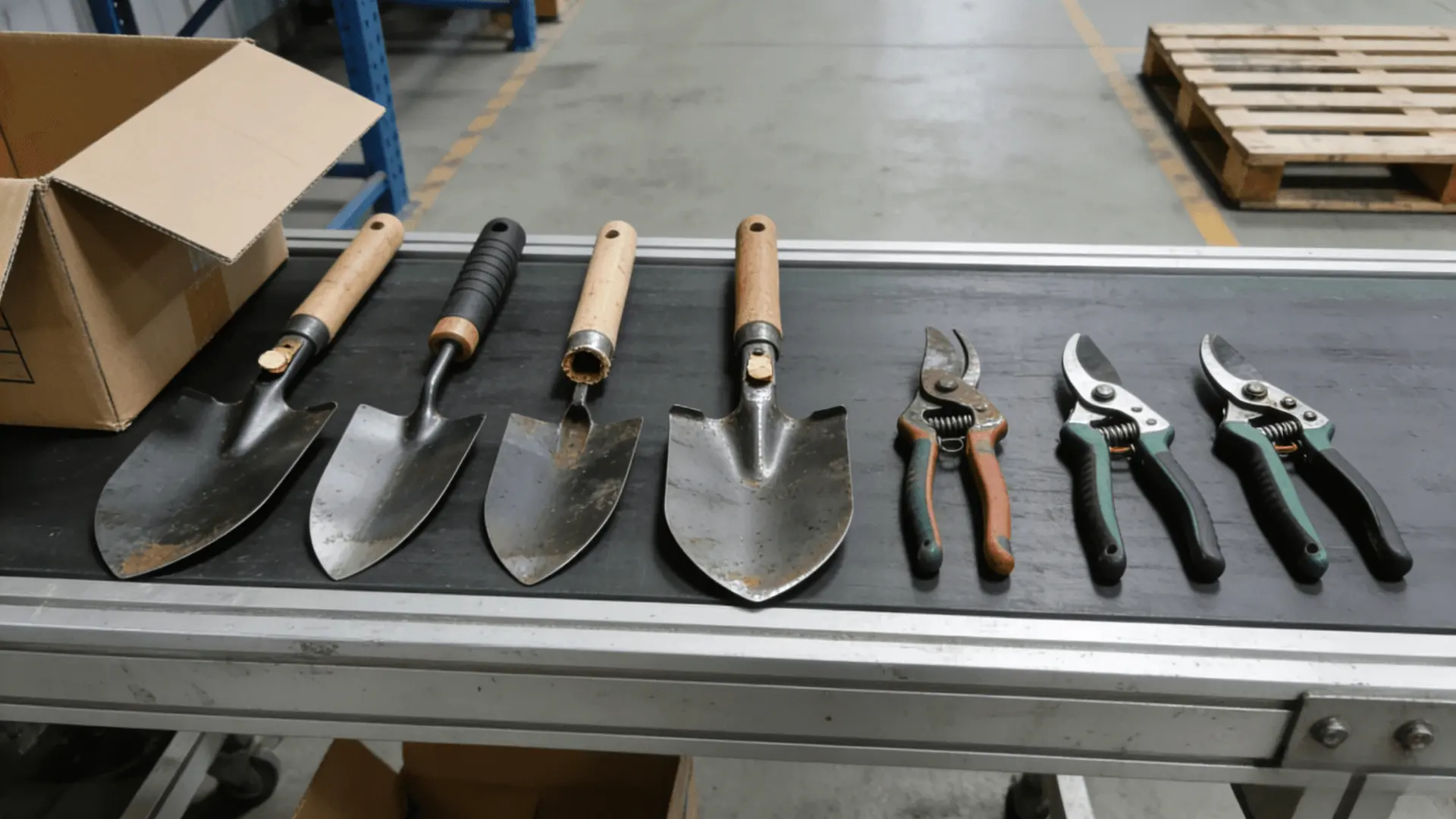
The advantages of stainless steel are clear. The chromium oxide layer on its surface effectively resists those that come into contact with it. Therefore, simply wipe it off after use. Once carbon steel tools come into contact with wet soil after rain, if not properly maintained immediately, they are very easy to leave traces of rust, requiring more care from users.
Hardness and Edge Retention
High-carbon steel products can reach HRC 58-62 after heat treatment. The cutting edge will have a very ideal hardness and is more suitable for long-term trimming. Stainless steel usually has slightly lower hardness and therefore requires more frequent sanding. But if your customers only need daily pruning, then it is also sufficient.
Resilience
Medium and low-carbon steel has excellent toughness and strong excavation impact.
High-carbon steel is more brittle. Stainless steel generally has moderate toughness but may not be as effective as carbon steel for high-intensity work.
Weight and Feel
Carbon steel has a slightly higher density and a slightly heavier tool of the same size, which will be more laborious to use. Stainless steel is lighter and less labor-intensive during long periods of operation.
Cost and Cost Performance
The price of carbon steel tools is 30%-50% lower than that of stainless-steel tools, which is cost-effective. The initial investment in stainless steel is high, but the total cost may be lower in terms of comprehensive maintenance.
The difference in maintenance
Carbon Steel Tools: Clean carefully after each use. At the same time, regular oil maintenance is required to prevent rust on the tool.
Stainless Steel Tools: No special rust care required, saving a lot of time on maintenance.
Tools are applicable to scenarios.
Choosing the Stainless-Steel Tool:
- Pruning: stainless steel is the best.
- Users who need to use the tool in a humid environment.
- Users who don't want to spend too much time maintaining their tools.
- Users used in coastal or high-saline-alkali areas where soils are prone to erosion.
Choosing the Carbon Steel Tool:
- Digging (shovels): Carbon steel is more suitable.
- Users with professional and high-intensity work needs.
- Users for use in dry climate areas.
Professional Advice
- Pruning Tools Prioritize Stainless Steel: Because these tools come into frequent contact with plant sap, corrosion resistance is important.
- Carbon steel is selected for excavation tools: because it needs to be tough to withstand impact.
- Consider the Soil Environment: Acidic soils accelerate carbon steel corrosion.
- Evaluate the frequency of use: Use stainless steel frequently to reduce maintenance time.
- Long-Term Costing: Stainless steel, while expensive, is low maintenance.
Market Trends
Modern gardening tools are now more specialized. Stainless steel has risen in the home gardening market, but carbon steel still dominates the professional market. At the same time, more composite tools have appeared, which are mainly in the high-end market.
This material trend is also reflected in real purchasing behavior. Many of the top-selling garden tools in the EU and US markets show clear material preferences depending on application and user type.
Conclusion
Take more time to think about your customers' needs to choose the comprehensive garden tools for your market. The essence of buying a quality set of tools is actually investing in a more enjoyable gardening experience. We all believe that the right tools will make every gardening job a pleasure rather than a burden.
Our team helps B2B buyers select suitable garden tools based on usage scenarios, climate conditions, and target customers. Contact us to receive professional sourcing advice and bulk purchasing recommendations tailored to your market.
Written by
ScarecrowGarden
💡About Scarecrow Garden Supplier Co., Ltd.
Scarecrow Garden Supplier Co., Ltd. is a China-based sourcing and wholesale partner specializing in biaogarden tools, landscaping equipment, and outdoor supplies for international wholesalers, distributors, contractors, and brands.
With hands-on experience rooted in real garden use scenarios, we focus on durable materials, functional design, and stable large-volume supply. Our product range covers pruning tools, watering systems, hand tools, outdoor hardware, and customized garden solutions to support both retail and professional landscaping markets.
Beyond products, we help our partners navigate supplier selection, quality control, compliance requirements, and long-term sourcing strategies in China. Through our blog, we share practical insights on product selection, material comparisons, industry trends, and cost-effective purchasing—helping global buyers build stronger, more competitive supply chains.
Related Articles

How to Source from China Without Missing Your Peak Season
China Public Holidays 2026: A Buyer’s Guide to Avoid Supply Chain Disruptions Before Long Shutdowns
Why Bulk Garden Tool Orders Fail — and How We Help Buyers Prevent Costly Quality Issues in China