







Soil Moisture Testing Explained: A Practical Guide for Garden Tool Buyers & Wholesalers
Abstract
Gardeners want lush, vibrant plants, but many overlook balanced soil moisture—the key to success. Soil moisture testing is a science-backed practice, replacing guesswork with intentional care. Knowing how to measure soil moisture correctly, whether tending a windowsill herb garden or a large backyard landscape, means thriving foliage, not withered stems. Soil moisture testing is not only essential for plant health, but also a key consideration for buyers and wholesale distributors selecting reliable gardening supplies. For buyers and wholesale distributors of gardening supplies, understanding soil moisture testing also helps evaluate which tools truly solve real watering problems in different markets.
This article covers why soil moisture testing is necessary for plant health, how to perform it effectively with proper gardening supplies, and why a reliable soil moisture tester is one of the best investments for any gardener.
1. The Critical Role of Soil Moisture in Plant Health
Plants depend on soil moisture for all vital processes, including nutrient absorption, photosynthesis, and cell expansion. Too little water shrinks roots, preventing uptake of key minerals like nitrogen and potassium; too much water saturates soil, cutting off oxygen to roots. Soil moisture testing eliminates the “wait and see” approach that causes overwatering or underwatering. Even experienced gardeners misjudge soil by appearance: dry topsoil may hide deep moisture and damp surface soil can mask a dry root zone.
Healthy plant growth requires the “golden mean” of soil moisture—a level varying by plant type. Succulents thrive in dry soil; ferns need consistent dampness. Uniform watering without soil moisture testing ignores these plant-specific needs. This weakens plants over time, increasing vulnerability to pests, diseases, and environmental stressors like drought and heatwaves. Regular soil moisture testing enables tailored care, promoting strong root systems, vigorous growth, and long-term plant health.
2. How Soil Moisture Testing Works—Tools for Every Gardener
Soil moisture testing is neither difficult nor expensive. Solutions exist for all skill levels and budgets, from simple manual checks to advanced digital tools. The easiest method is hand testing: dig 2-3 inches into the soil, squeeze a handful, and observe. Soil is too dry if it crumbles immediately; too wet if it forms a dripping, muddy clump; ideal if it holds shape but breaks apart gently. This method is convenient but subjective, less accurate than dedicated gardening supplies.
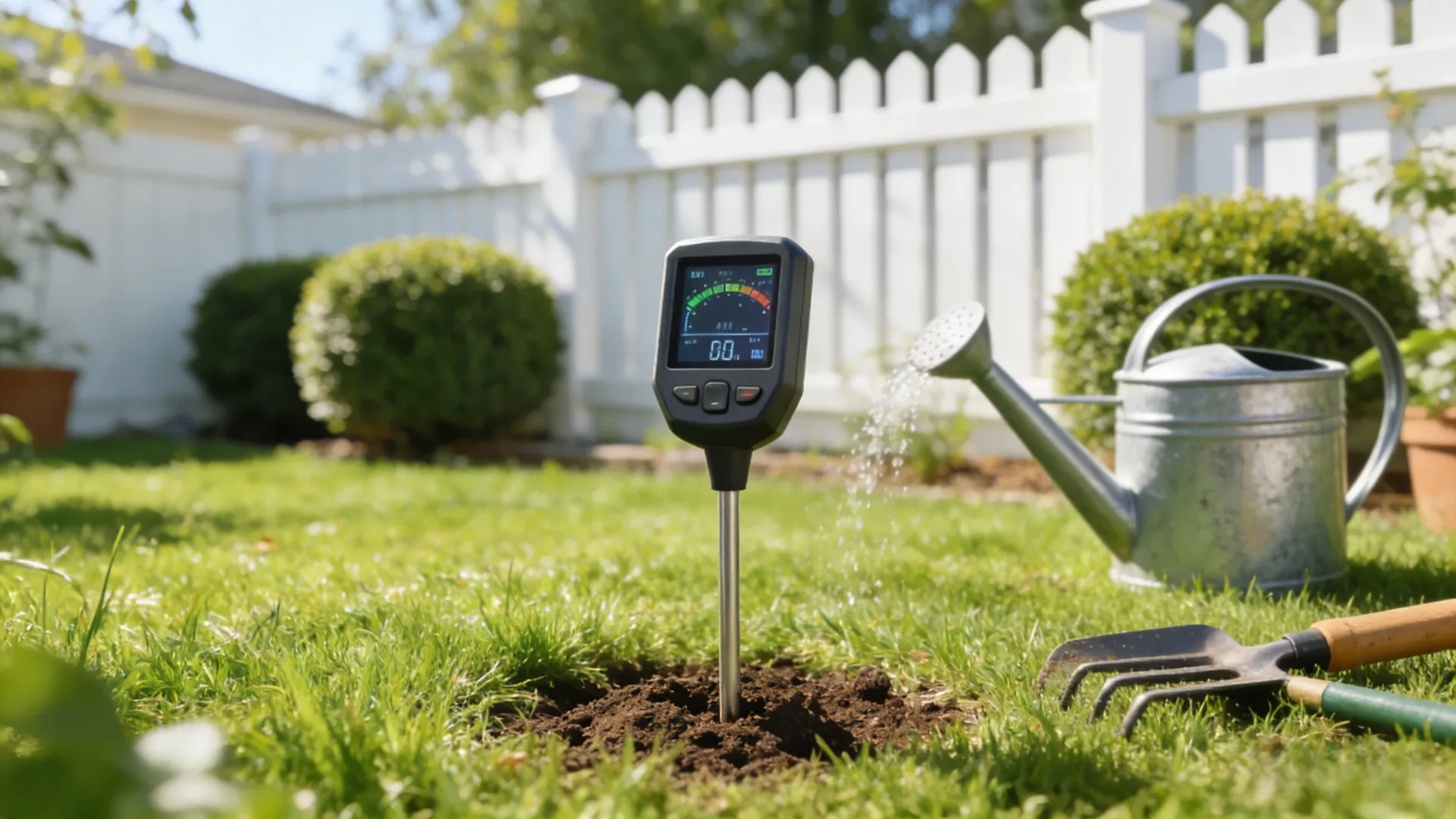
A soil moisture tester is an essential garden hand tool for reliable results. These devices measure soil electrical conductivity, directly linked to moisture content. Analog testers have a probe inserted into the soil; a dial needle indicates dry, moist, or wet conditions. Digital testers offer greater precision, displaying moisture as a percentage or numerical value—some connecting to phone apps for tracking changes over time. Both affordable analog models and high-tech digital options remove guesswork from watering, ensuring water is added only when plants need it.
Specialized gardening supplies enhance soil moisture testing for large gardens or commercial growers. Tensiometers measure soil water tension—the effort roots exert to absorb water—revealing moisture availability at the root level. Permanently installed soil moisture sensors in garden beds send real-time data to a central display, allowing automated watering systems to adjust to actual soil conditions. These tools save time and conserve water, an important benefit in areas with limited resources.
3. The Hidden Costs of Skipping Soil Moisture Testing
Many gardeners underestimate improper watering’s impact, assuming “more is better” or plants tolerate occasional overwatering. Skipping soil moisture testing carries real hidden costs. Overwatering is a top cause of plant death, leading to root rot—a fungal disease destroying root tissue and preventing water and nutrient absorption even in wet soil. Root rot symptoms include yellow leaves, wilting despite moist soil, and a foul odor from the root ball. Once root rot develops, saving the plant requires extensive pruning or replacement, wasting time, money, and effort.
Underwatering is equally damaging, especially for young plants or those with shallow roots. Chronic drought stunts growth, reduces flower and fruit production, weakens natural defenses, resulting in smaller, lower-quality vegetable harvests. Both overwatering and underwatering disrupt the soil ecosystem, killing beneficial microbes that decompose organic matter and cycle nutrients. This soil health degradation creates a cycle where plants need more fertilizers and pesticides to compensate for declining conditions.
Wasteful watering, beyond plant health, depletes a precious resource. The Environmental Protection Agency states outdoor watering accounts for 30% of U.S. household water use, much wasted through overwatering. Soil moisture testing ensures watering only when necessary, letting gardeners reduce water use by 20-50%, lowering bills and supporting environmental sustainability. For commercial growers, this translates to significant cost savings and a smaller carbon footprint, making soil moisture testing a smart business decision.
4. Integrating Soil Moisture Testing into Your Gardening Routine
Adding soil moisture testing to regular gardening tasks is simple and valuable. Most home gardens require testing once or twice weekly, with more frequent checks during hot, dry weather or after heavy rain. Locate plants’ root zones—where moisture matters most—as roots absorb water from surrounding soil. Test shallow-rooted lettuce and marigolds at 2-3 inches deep; deep-rooted tomatoes and shrubs at 6-8 inches deep.
Use a clean soil moisture tester probe for each garden bed to avoid contamination. Insert the probe vertically, avoiding rocks and large roots to prevent tool damage and inaccurate readings. Take multiple readings across garden beds: soil moisture varies with sun exposure, slope, and plant proximity. Adjust watering based on these readings: water deeply when the root zone is dry, hold off if still moist.
Soil moisture testing is more critical for container gardens: potting soil dries faster than garden soil and becomes waterlogged with poor drainage. Test container plants every 2-3 days, especially in warm weather; water until moisture drains from the pot’s bottom. Pair soil moisture testing with good gardening practices: mulching to retain soil moisture, adding compost or perlite to improve drainage, selecting plant species suited to local climate. These combined strategies create an optimal growing environment for plant thriving.
Conclusion: Invest in Soil Moisture Testing for Thriving Gardens
Healthy plant growth is intentional care, not luck—soil moisture testing is the foundation of that care. It eliminates guesswork, prevents overwatering and underwatering, conserves resources, empowering gardeners to grow stronger, more resilient plants. A soil moisture tester is an indispensable garden hand tool, whether you’re a beginner with a few potted herbs or an experienced gardener with a large landscape, paying for itself in healthier plants and better harvests.
Don’t let another season pass with wasted water, struggling plants, or disappointing results. Add a soil moisture tester to your gardening supplies today, make regular testing a routine, watch your garden transform from surviving to thriving. This benefits both plants and the planet. For more tips on gardening tools, soil care, and plant health, explore our expert guides and recommended products to elevate your gardening skills.
If you are a garden tool buyer, wholesaler, or distributor, understanding soil moisture testing helps you recommend the right products for different users and climates.
We work with buyers to match soil moisture testers, irrigation tools, and related gardening supplies to real market needs—whether for retail, landscaping projects, or bulk sourcing.
If you’re planning your next product lineup or need practical sourcing advice, feel free to reach out to Scarecrow Garden Supplier for tailored recommendations.
Written by
ScarecrowGarden
💡About Scarecrow Garden Supplier Co., Ltd.
Scarecrow Garden Supplier Co., Ltd. is a China-based sourcing and wholesale partner specializing in biaogarden tools, landscaping equipment, and outdoor supplies for international wholesalers, distributors, contractors, and brands.
With hands-on experience rooted in real garden use scenarios, we focus on durable materials, functional design, and stable large-volume supply. Our product range covers pruning tools, watering systems, hand tools, outdoor hardware, and customized garden solutions to support both retail and professional landscaping markets.
Beyond products, we help our partners navigate supplier selection, quality control, compliance requirements, and long-term sourcing strategies in China. Through our blog, we share practical insights on product selection, material comparisons, industry trends, and cost-effective purchasing—helping global buyers build stronger, more competitive supply chains.
Related Articles

How to Source from China Without Missing Your Peak Season
China Public Holidays 2026: A Buyer’s Guide to Avoid Supply Chain Disruptions Before Long Shutdowns
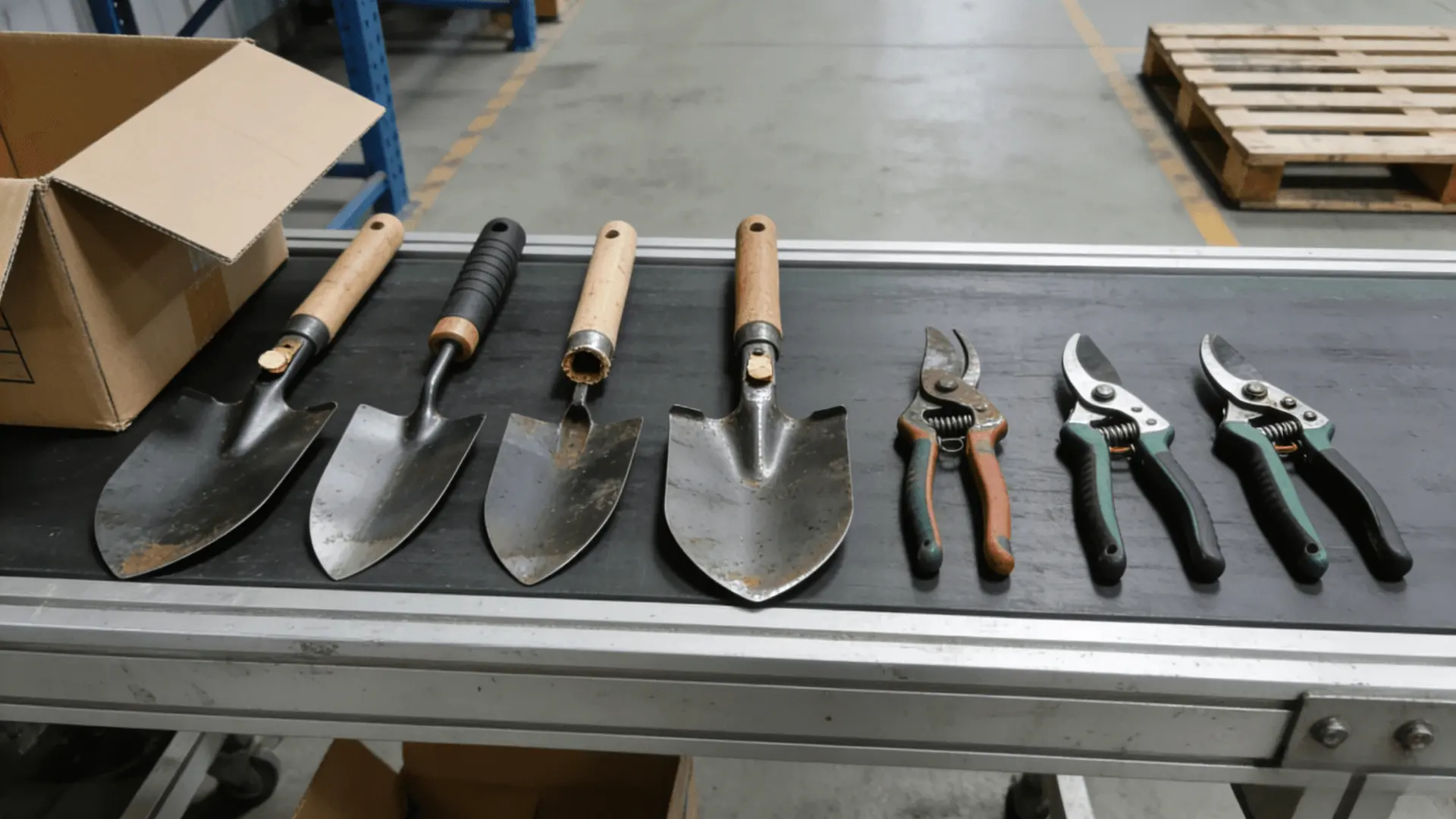
Why Bulk Garden Tool Orders Fail — and How We Help Buyers Prevent Costly Quality Issues in China