










Updated 2 months ago
Are Robotic Lawn Mowers Difficult to Install? A Practical Guide to Boundary Setup for Homeowners

ScarecrowGarden
💡About Scarecrow Garden Supplier Co., Ltd.
Scarecrow Garden Supplier Co., Ltd. is a China-based sourcing and wholesale partner specializing in biaogarden tools, landscaping equipment, and outdoor supplies for international wholesalers, distributors, contractors, and brands.
With hands-on experience rooted in real garden use scenarios, we focus on durable materials, functional design, and stable large-volume supply. Our product range covers pruning tools, watering systems, hand tools, outdoor hardware, and customized garden solutions to support both retail and professional landscaping markets.
Beyond products, we help our partners navigate supplier selection, quality control, compliance requirements, and long-term sourcing strategies in China. Through our blog, we share practical insights on product selection, material comparisons, industry trends, and cost-effective purchasing—helping global buyers build stronger, more competitive supply chains.
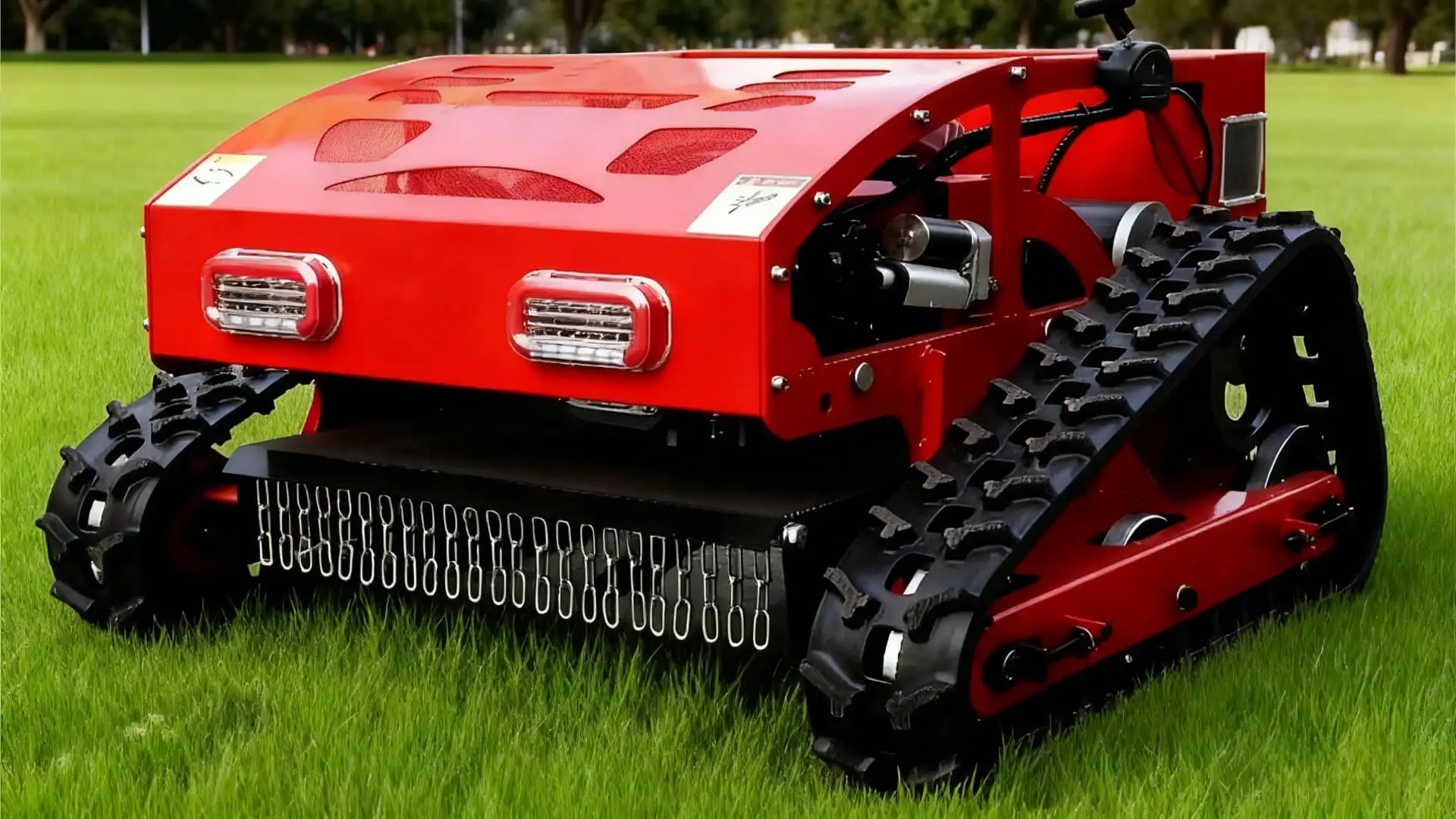
Are Robotic Lawn Mowers Difficult to Install? A Practical Guide to Boundary Setup for Homeowners
Installing a robotic lawn mower may seem intimidating at first, but this robotic lawn mower installation guide will make the process simple and efficient. As a trusted garden tool sourcing partner, Scarecrow Garden Supplier provides practical solutions to help homeowners achieve effortless lawn care.
Understanding the Basics
Robotic lawn mowers typically use a boundary wire setup to define the mowing area. Some advanced models now feature GPS or sensor-based navigation... Regardless of the model, understanding how to define your mowing area is key to efficient operation — and the right garden hand tools from Scarecrow Garden Supplier can make this setup even easier.
Step-by-Step Robotic Lawn Mower Installation Guide
Follow these detailed steps to complete your robotic lawn mower installation efficiently and safely.
1. Planning the Layout
- Sketch Your Lawn: Draw a map marking the edges of your lawn, obstacles, and garden features.
- Charging Station Placement: Choose a location near a power outlet, ideally sheltered from direct sunlight or water exposure.
- Boundary Wire Path: Plan a route that clearly defines the mowing area, avoiding flower beds, trees, and other sensitive zones.
2. Preparing the Lawn
- Clear Debris: Remove rocks, sticks, and other items that could interfere with wire installation or mower operation.
- Mow First: Cutting the grass before laying the boundary wire ensures easier placement and better wire adherence.
3. Installing the Boundary Wire
- Above Ground: Use stakes to temporarily secure the wire along the planned path. This is easier to adjust during setup.
- Below Ground: For a permanent solution, dig a shallow trench and bury the wire, which protects it from damage and gives a cleaner appearance.
Pro Tip: Keep a minimum of 30 cm between the boundary wire and any guide wires to prevent signal interference.
4. Setting Up the Charging Station
- Positioning: Place the charging station at a convenient point on the boundary loop.
- Connecting Wires: Attach the boundary wire to the station according to the mower manufacturer’s instructions.
5. Testing the System
- Power On: Turn on the mower and allow it to detect the boundary wire.
- Test Run: Let the mower complete a cycle to ensure it navigates correctly and returns reliably to the charging station.
Common Challenges and Solutions
- Signal Interference: Avoid crossing wires or placing them too close together.
- Obstacles: For trees, flower beds, or irregular terrain, create loops around these areas to restrict mower access.
- Uneven Terrain: Adjust wire placement to accommodate slopes and prevent mower tipping.
Recommended Tools and Accessories
- Scarecrow Garden Supplier: offers a wide range of garden hand tools and accessories ideal for trenching, wire installation, and other lawn maintenance tasks. Their tools are designed for both DIY homeowners and professional landscapers who value efficiency and durability.
- Wire Cutters and Connectors: Necessary for trimming and joining boundary wires.
- Stakes or Pegs: For securing wires above ground during setup.
Final Thoughts
While robotic lawn mower installation requires some planning and effort, it’s a smart investment for any homeowner who values a neat, automated garden. By following these steps and choosing reliable tools from Scarecrow Garden Supplier, you can ensure a seamless setup and long-lasting performance.
Written by
ScarecrowGarden
💡About Scarecrow Garden Supplier Co., Ltd.
Scarecrow Garden Supplier Co., Ltd. is a China-based sourcing and wholesale partner specializing in biaogarden tools, landscaping equipment, and outdoor supplies for international wholesalers, distributors, contractors, and brands.
With hands-on experience rooted in real garden use scenarios, we focus on durable materials, functional design, and stable large-volume supply. Our product range covers pruning tools, watering systems, hand tools, outdoor hardware, and customized garden solutions to support both retail and professional landscaping markets.
Beyond products, we help our partners navigate supplier selection, quality control, compliance requirements, and long-term sourcing strategies in China. Through our blog, we share practical insights on product selection, material comparisons, industry trends, and cost-effective purchasing—helping global buyers build stronger, more competitive supply chains.
Related Articles

How to Source from China Without Missing Your Peak Season

China Public Holidays 2026: A Buyer’s Guide to Avoid Supply Chain Disruptions Before Long Shutdowns
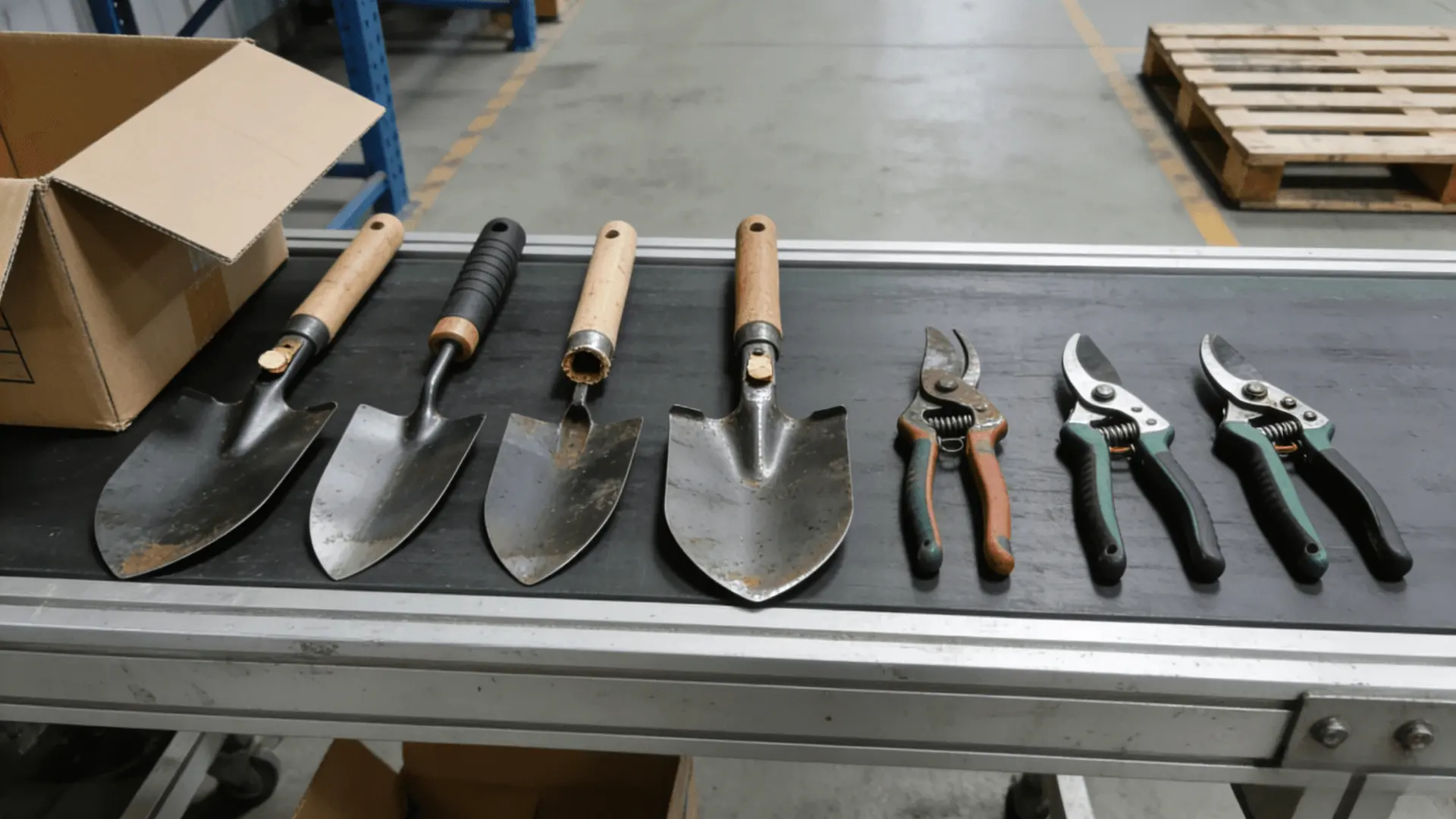
Why Bulk Garden Tool Orders Fail — and How We Help Buyers Prevent Costly Quality Issues in China