






Updated 2 months ago
A Comprehensive Buyer’s Guide: What Makes Wholesale Outdoor Sofas of the Same Material Different?

ScarecrowGarden
💡About Scarecrow Garden Supplier Co., Ltd.
Scarecrow Garden Supplier Co., Ltd. is a China-based sourcing and wholesale partner specializing in biaogarden tools, landscaping equipment, and outdoor supplies for international wholesalers, distributors, contractors, and brands.
With hands-on experience rooted in real garden use scenarios, we focus on durable materials, functional design, and stable large-volume supply. Our product range covers pruning tools, watering systems, hand tools, outdoor hardware, and customized garden solutions to support both retail and professional landscaping markets.
Beyond products, we help our partners navigate supplier selection, quality control, compliance requirements, and long-term sourcing strategies in China. Through our blog, we share practical insights on product selection, material comparisons, industry trends, and cost-effective purchasing—helping global buyers build stronger, more competitive supply chains.
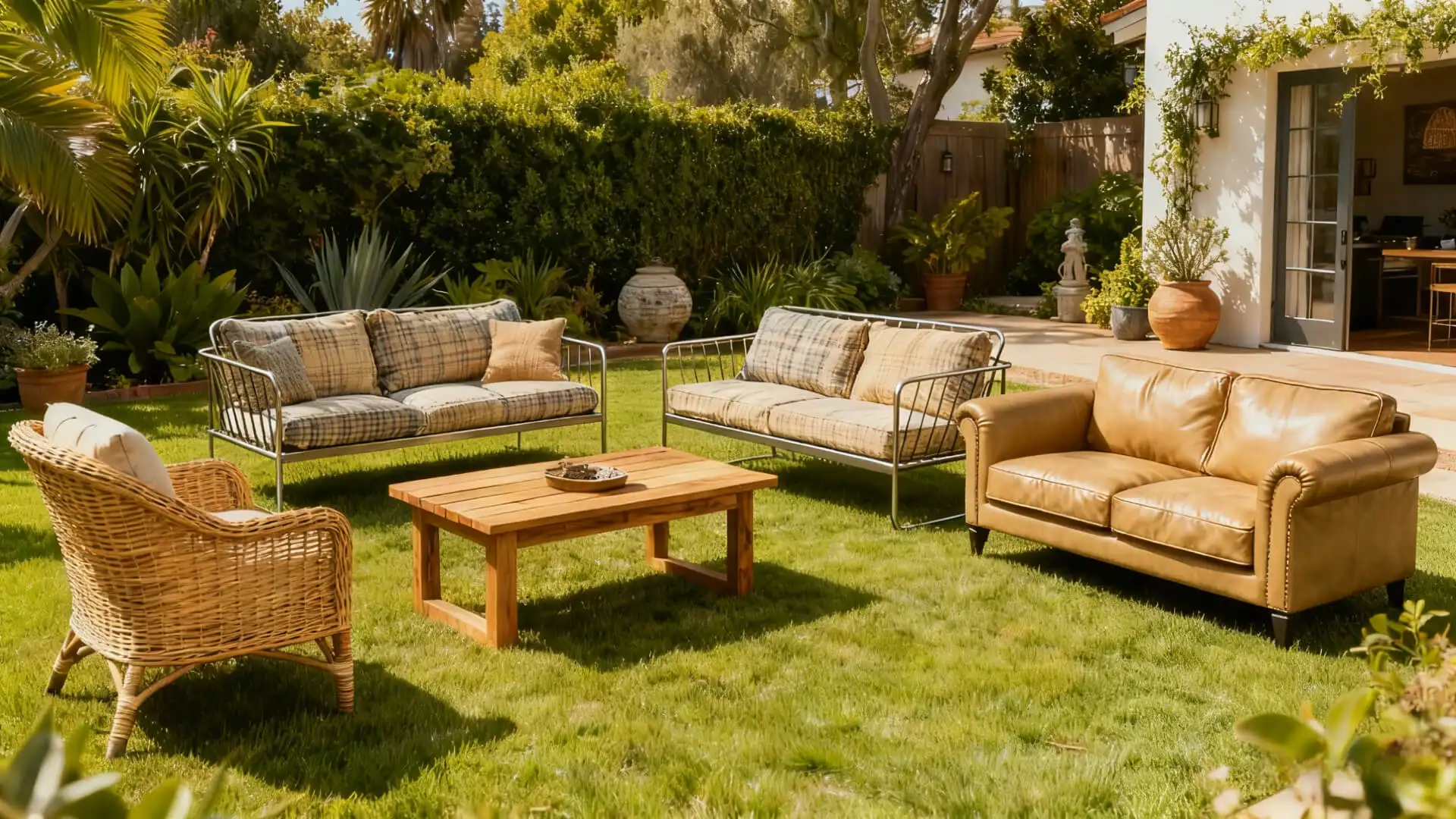
Outdoor Sofa Material Comparison: Teak, WPC, Rattan & HDPE Explained | Scarecrow Garden Supplier
Abstract
Last year, while sorting through my grandfather's belongings, I came across an old photo of our courtyard from the 1980s: an enamel teacup sat next to a rattan sofa, and my father was holding me on the sofa reading the Classic of Poetry. Looking at the diverse array of outdoor sofas on the market today, I realize that material evolution isn't just about technological advancements, but also reflects the changing emotions people have towards "outdoor living." Based on the Furniture Association's 2024 Outdoor Furniture Material Durability Report, this article will analyze the differences between four types of outdoor sofas—wood, HDPE, rattan, and plastic—from three aspects: material characteristics, data support, and cultural connections. I hope this will help you find a comprehensive sourcing option that meets your different customers' needs. Wooden Outdoor Sofas are Stories of Time in Natural Texture. The warmth of wooden outdoor sofas embodies the philosophy of creation in the Kaogongji (Record of Trades): "The wise create things, the skillful describe them." The choice of different types of wood reflects different wisdoms of life.
In today’s outdoor furniture market, choosing the right outdoor sofa material—such as teak, WPC, rattan, or HDPE—directly affects durability, comfort, and long-term maintenance cost.
Teak Outdoor Sofas
Teak outdoor sofas are widely recognized for exceptional durability, and according to research on Southeast Asian furniture culture, teak was used by Dutch colonists in the 17th century to build outdoor pavilions in tropical regions. Because it contains 3%-5% natural teak, it can resist seawater erosion and termite infestation — which is why teak outdoor sofas are still used in century-old guesthouses in Bali, Indonesia. I once saw such a sofa in an old house in Chiang Mai; after 60 years of weathering, the wood had turned from light yellow to amber, yet it hadn't cracked at all. Furniture association data indicates that high-quality teak outdoor sofas have an average lifespan of up to 25 years, three times that of ordinary wood. However, the price of raw teak is about 12,000 yuan per ton, resulting in a higher price for finished products, making them more suitable for families seeking a "heirloom feel." Last year, when I helped an elderly professor renovate his courtyard, he specifically chose a teak sofa, saying, " I want my grandchildren to be able to listen to stories on this sofa in the future." This appreciation for time gives warmth to the cold material.
Wood-Plastic Composite (WPC) Outdoor Sofas
WPC emerged in the 1990s amidst an environmental movement, made from 70% waste plastic and 30% wood fiber, aligning with the concept of a "circular economy." According to data from the China Plastics Processing Industry Association, in 2024, WPC outdoor sofas held a 28% market share in China. Weather resistance tests show that even under extreme temperatures ranging from -30℃ to 60℃, the deformation rate is only 0.3%. I previously purchased WPC sofas for a community park. Two years later, after enduring blizzards and intense sunlight, the surface showed no fading or deformation. Cleaning only requires a high-pressure water gun, making them particularly suitable for public spaces or "lazy" households. However, last year a customer commented that WPC lacks the "breathability" of natural wood, making it a bit stuffy to sit on for extended periods in summer—a reminder that material selection should not only meet specifications but also consider the actual feel of the body. When moving the house, the mover jokingly remarked, "This sofa can be passed down through generations; it'll just be a bit of a hassle to move," a playful remark that revealed his appreciation for the durable material.
Rattan Outdoor Sofas
The Natural Sentiment in Weaving
Rattan outdoor sofas, whether natural rattan or PE rattan, are ideal for those customers like homeowners, who value breathability and natural aesthetics. From ancient bamboo weaving techniques to modern simulated rattan technology, each rattan strand carries the emotion of "closeness to nature."
Natural Rattan Outdoor Sofas
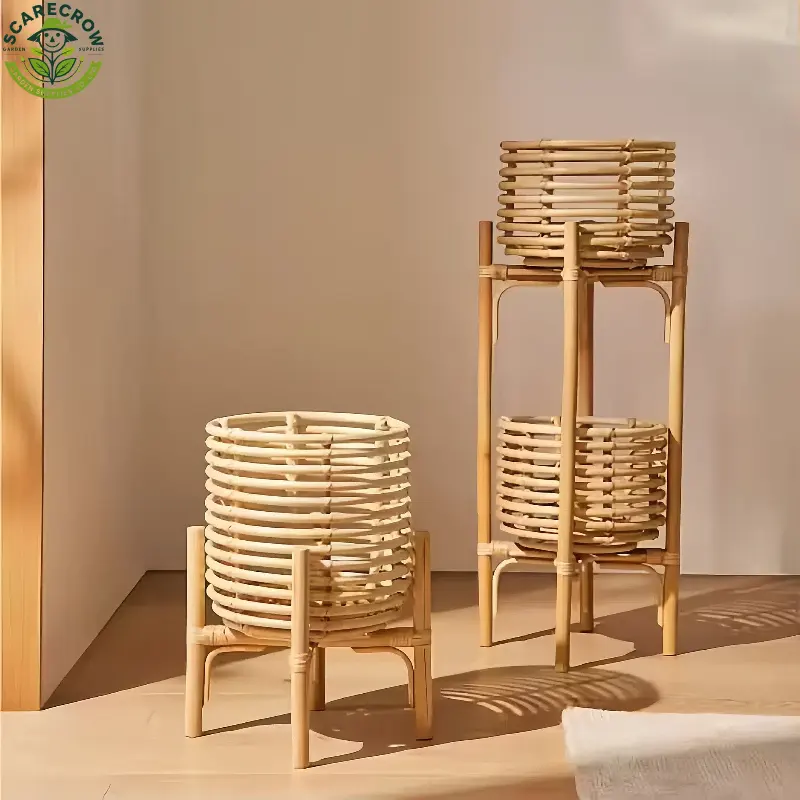
Natural rattan (mainly agate rattan) originates from Indonesia. In local culture, rattan furniture is a "symbol of good fortune" and is often used in wedding settings. According to the "Handbook of Tropical Plant Utilization", natural rattan has a tensile strength of up to 80MPa and excellent breathability — which is why the natural rattan sofas in Southeast Asian guesthouses remain cool to sit on even in hot weather. Furniture association tests show that natural rattan outdoor sofas can be used for 5 years in well-ventilated semi-open spaces, and with regular maintenance with rattan oil, this can be extended to 8 years. I once stayed at a guesthouse in Dali, Yunnan, where bougainvillea grew next to a natural rattan sofa. When the wind blew, the rattan swayed gently; that pleasant feeling remains unforgettable to this day. However, when I was repairing a natural rattan sofa for a customer last year, I found that the rattan had become moldy and broken due to long-term exposure to the outdoors. This reminded us that even the most beautiful materials need to be cared for in a suitable environment.
Plastic Outdoor Sofas
The Wisdom of Practical Living
The convenience of plastic outdoor sofas embodies the practical needs of modern life. From early polypropylene to today's HDPE, material upgrades have always revolved around "cost-effectiveness."
Polypropylene Outdoor Sofas
Polypropylene (PP) sofas are a popular choice for renters due to their affordable price (around USD43-72 for a three-seater set). According to data from the Plastics Association, PP material has an impact strength of up to 20kJ/m² and excellent water resistance; it won't deform even when submerged in water. When I first graduated and rented an apartment, I bought a PP sofa. In the summer, I placed it on the balcony, and when it rained, I didn't have to move it. If it got dirty, I could just rinse it with water. It accompanied me for three years. However, tests by the Furniture Association showed that PP sofas would age and become brittle after three years under prolonged exposure to sunlight — last year, while tidying up my belongings, I found that the armrests of that sofa were already cracked. Although I was a little reluctant to part with it, I understood that it had fulfilled its "mission." This kind of "temporary companionship" is also a kind of warmth.
High-Density Polyethylene (HDPE) Outdoor Sofas
HDPE sofas are an upgraded version of PP sofas due to their more stable molecular structure and significantly improved weather resistance. According to test data, HDPE sofas can last up to 10 years in environments ranging from -40℃ to 70℃, and are 100% recyclable, aligning with environmental protection principles. Last year, when I helped an environmentalist choose a sofa, she specifically selected an HDPE model, saying, "It meets my needs without polluting the environment." However, HDPE sofas tend to have a somewhat ordinary feel, lacking a premium look – which reminds me of a designer friend's words: "Practicality doesn't mean settling. Choosing materials is like choosing a lifestyle; you need to find a balance between cost-effectiveness and personal preference."
As a result, compared with polypropylene outdoor sofas, HDPE outdoor sofas offer significantly better UV resistance and a longer lifespan, making them suitable for harsher outdoor environments. So, this material of sofas is suitable for some of your customers who have a limited budget.
How to Choose the Best Outdoor Sofa Material for Your Space
Based on data from furniture associations and real-world examples, consider the following three points when choosing outdoor sofa materials:
1. Environmental Suitability: For open-air patios, prioritize PE rattan, aluminum alloy, and HDPE (ranked in the top three for weather resistance); for semi-open spaces, consider Merbau or natural rattan; for coastal areas, prioritize 304 stainless steel (best resistance to salt spray corrosion).
2. Budget Planning: Regarding annual operating costs (total price/lifespan), teak is approximately 200 RMB/year, Merbau is approximately USD22/year, and HDPE is approximately USD12/year. You can choose according to your budget.
3.3. Emotional Needs: We tend to prioritize a sense of "timelessness," choosing teak and cast iron; we prefer "convenience," opting for aluminum alloy and HDPE; and we yearn for "nature," choosing natural rattan and merbau.
Conclusion
The right outdoor sofa material not only improves durability but also enhances the consumers' outdoor living experiences. To your consumers, outdoor sofas are never just cold furniture, but rather "emotional carriers " that hold family memories and gatherings with friends. Like the rattan sofa left by my grandfather, even if a product eventually retires, its quality and the comfort it provided stay in the user's memory forever. By combining my industry experience with these authentic stories, I aim to help you source products that are not only durable and market-competitive but also deeply resonate with your clients' tastes.
If you're wondering about sourcing other garden tools for 2026, here is an article on the 2026 garden tools guide, which may give you some suggestions.
Successful garden tools sourcing requires an understanding of product structure, supplier capabilities, and market demand.
Scarecrow Garden Supplier leverages industry experience to help B2B buyers navigate product options and sourcing decisions more efficiently.
Feel free to contact us to discuss your sourcing goals and receive tailored product suggestions or quotations.
Written by
ScarecrowGarden
💡About Scarecrow Garden Supplier Co., Ltd.
Scarecrow Garden Supplier Co., Ltd. is a China-based sourcing and wholesale partner specializing in biaogarden tools, landscaping equipment, and outdoor supplies for international wholesalers, distributors, contractors, and brands.
With hands-on experience rooted in real garden use scenarios, we focus on durable materials, functional design, and stable large-volume supply. Our product range covers pruning tools, watering systems, hand tools, outdoor hardware, and customized garden solutions to support both retail and professional landscaping markets.
Beyond products, we help our partners navigate supplier selection, quality control, compliance requirements, and long-term sourcing strategies in China. Through our blog, we share practical insights on product selection, material comparisons, industry trends, and cost-effective purchasing—helping global buyers build stronger, more competitive supply chains.
Related Articles

How to Source from China Without Missing Your Peak Season

China Public Holidays 2026: A Buyer’s Guide to Avoid Supply Chain Disruptions Before Long Shutdowns
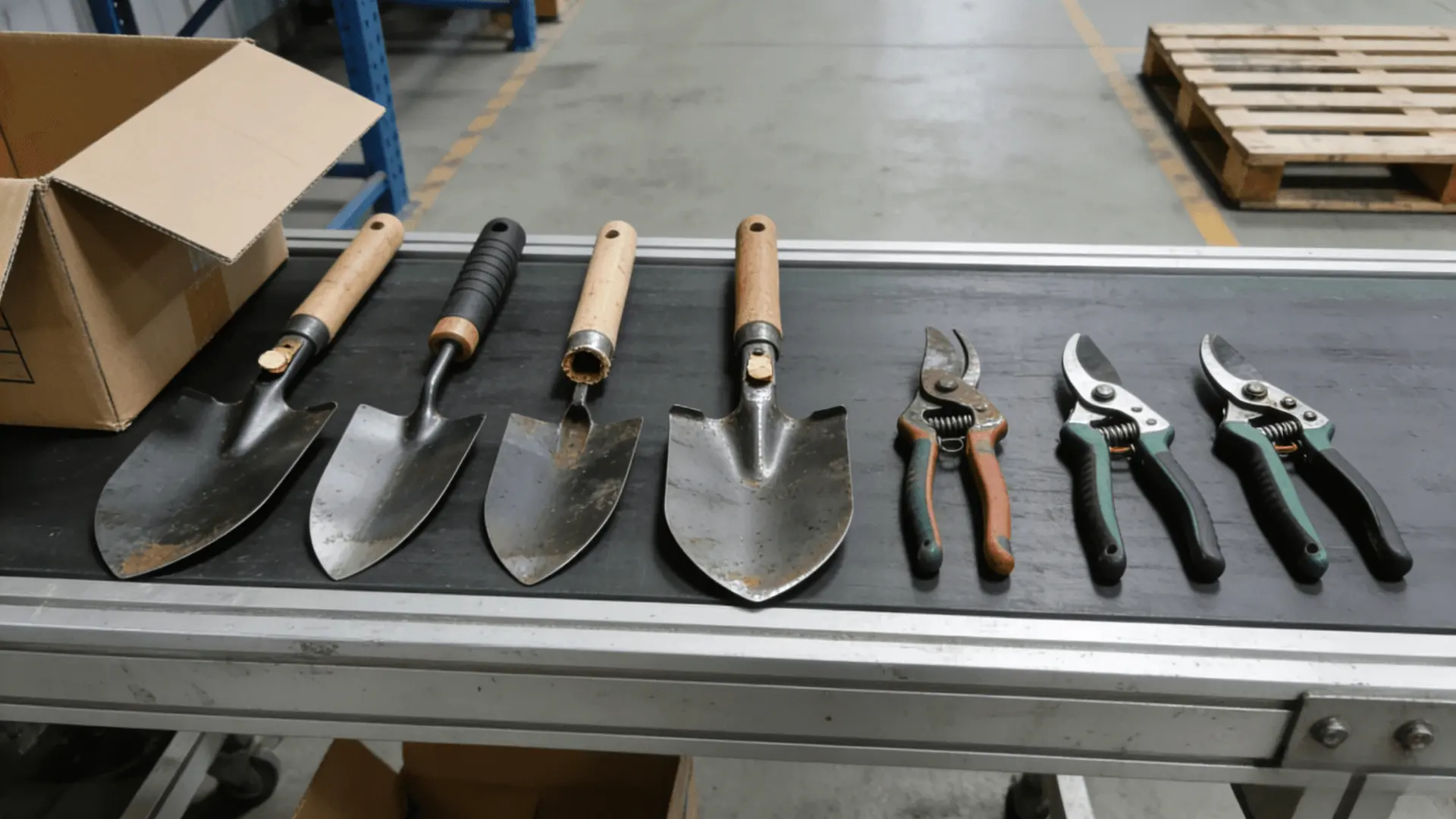
Why Bulk Garden Tool Orders Fail — and How We Help Buyers Prevent Costly Quality Issues in China