








How Landscaping Companies Can Prepare Their Tool Inventory for Peak Season Success
Abstract
Peak season stands as the busiest and most profitable period for landscaping companies. Preparing a comprehensive landscaping tool inventory is a critical factor for operational success and client satisfaction during peak season.
Inadequate stock, inefficient tool allocation, or delayed replenishment can cause project delays. This may increase labor costs and risk damaging client relationships during high-demand months.
This guide outlines actionable strategies for landscaping companies, focusing on:
- Strategic supplier partnerships
- Targeted replenishment of essential equipment and consumables
- Seasonal tool prioritization
Implementation of structured inventory management practices helps businesses minimize downtime, maximize productivity, capitalize on peak season opportunities, and maintain high service standards. Proactive tool inventory preparation forms the core focus—it ensures landscaping teams have the right equipment available at the right time, meeting client expectations and operational demands.
Key takeaway: Proactive tool inventory preparation ensures landscaping teams have the right equipment at the right time, meeting both client expectations and operational demands.
Strategic Tool Inventory Replenishment for Peak Season
1. Pruning Tool Restock
Pruning tools form the backbone of landscaping operations during peak season. A meticulous inventory check and targeted replenishment are essential.
Checklist for pruning tool management:
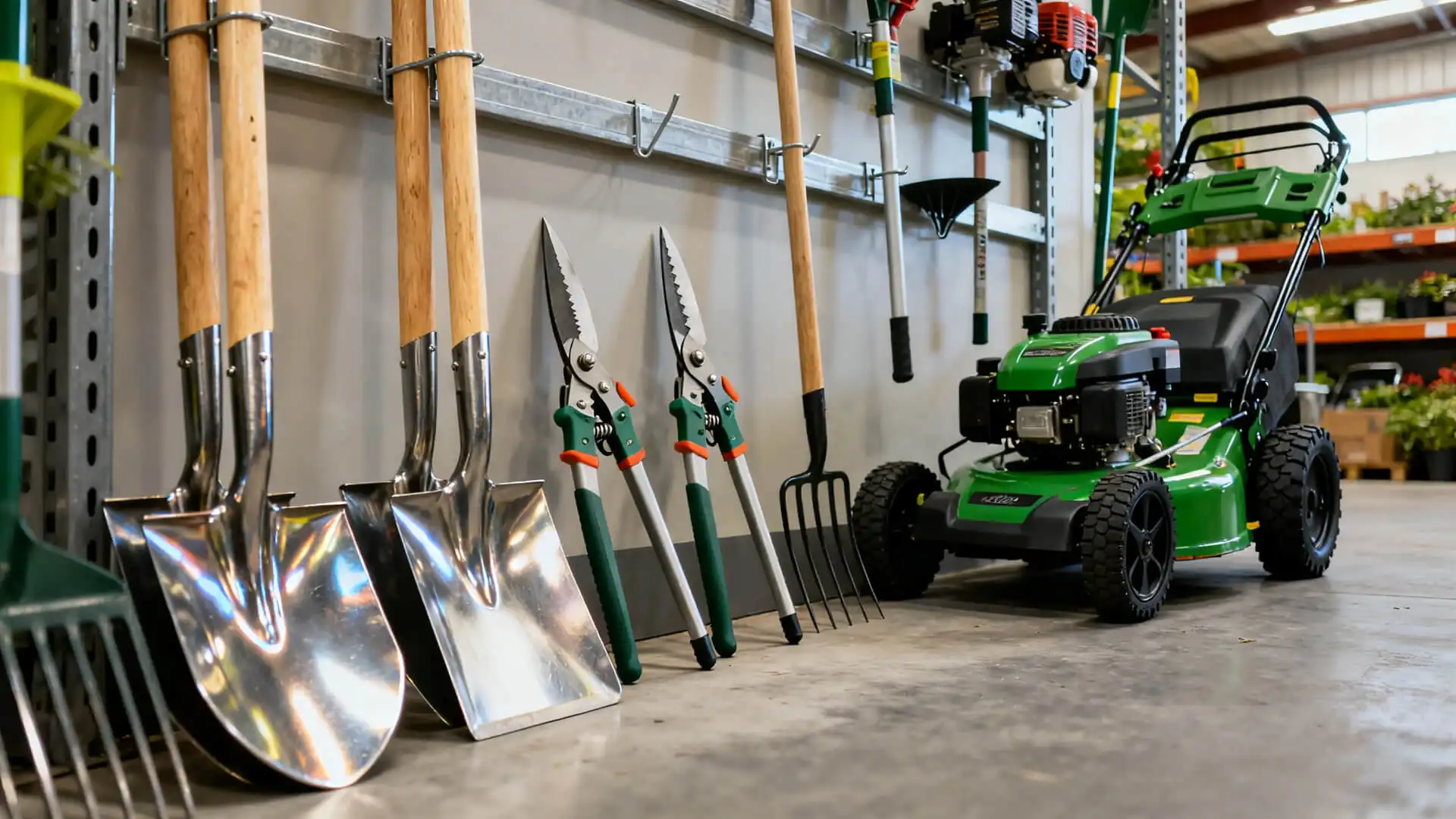
- Assess the condition of existing pruning shears, loppers, hedge trimmers, and pruning saws
- Replace worn or damaged units to ensure an uninterrupted workflow
- Stock commercial-grade pruning shear sets with interchangeable blades to handle diverse tasks—from small branch trimming to heavy-duty shrub shaping
Prioritize:
- High-quality bypass pruners for precision cutting
- Anvil pruners for thicker branches
- Long-handled loppers for hard-to-reach areas
- Specialty pruning tools (topiary shears, grape shears) for niche client requirements
Tip: Stock quantities should match team size and projected job volume.
High-quality bypass pruners (designed for precision cutting) and anvil pruners (for thicker branches) demand prioritization, alongside long-handled loppers engineered for hard-to-reach areas. Companies should also account for specialty pruning tools—such as topiary shears or grape shears—if servicing clients with specific landscaping needs, ensuring no niche requirement goes unmet during peak demand.
Consider investing in commercial-grade pruning shear sets with interchangeable blades.
2. Consumable Supply Replenishment
Consumables are vital yet often overlooked. Stock shortages of blades, filters, or safety gear can disrupt operations.
Essential consumables:
- Replacement blades for pruning tools and trimmers
- Fuel filters, air filters, spark plugs for gas-powered equipment
- Durable work gloves, knee pads, safety glasses—extra pairs in field vehicles
- Irrigation supplies: leak-resistant hoses, adjustable nozzles, drip irrigation components
- Lubricants, cleaning solutions, and tool storage organizers
Maintaining these consumables ensures equipment longevity and uninterrupted landscaping operations.
Seasonal Prioritization of Key Landscaping Tools
1. Spring Pruning and Preparation Tools
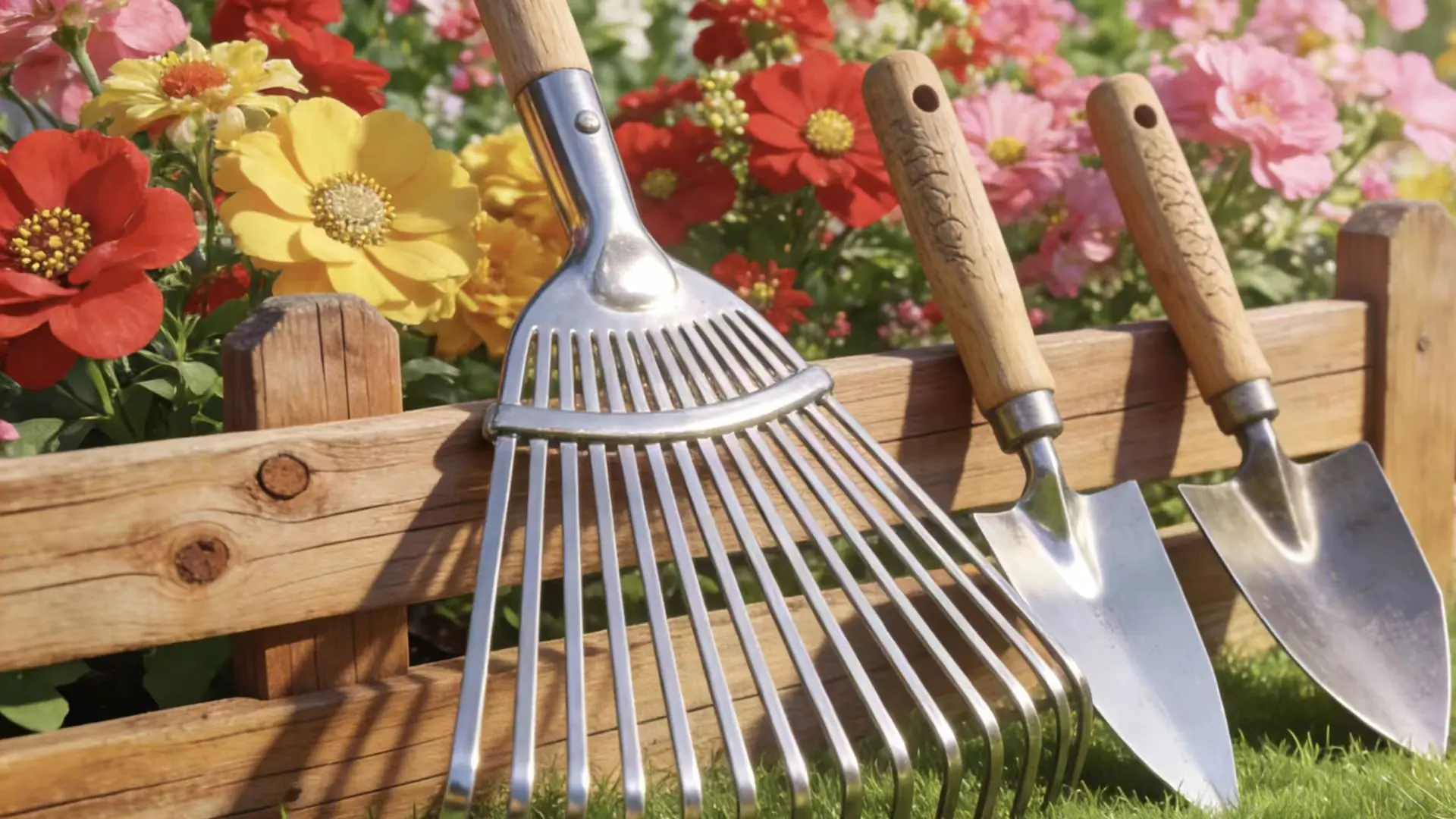
Spring peak season centers on rejuvenating landscapes, requiring essential tools tailored to pruning, planting, and soil preparation. A well-managed landscaping equipment checklist ensures teams have all tools ready, from pruning shears to cultivators and seed spreaders. Landscaping teams need reliable pruning shears, hedge trimmers, and pole pruners to shape overgrown shrubs, trees, and hedges—promoting healthy growth and aesthetic appeal. Soil preparation tools, including cultivators, rakes, and shovels, should be inspected and restocked to support planting projects, while seed spreaders and fertilizer applicators facilitate lawn care services.
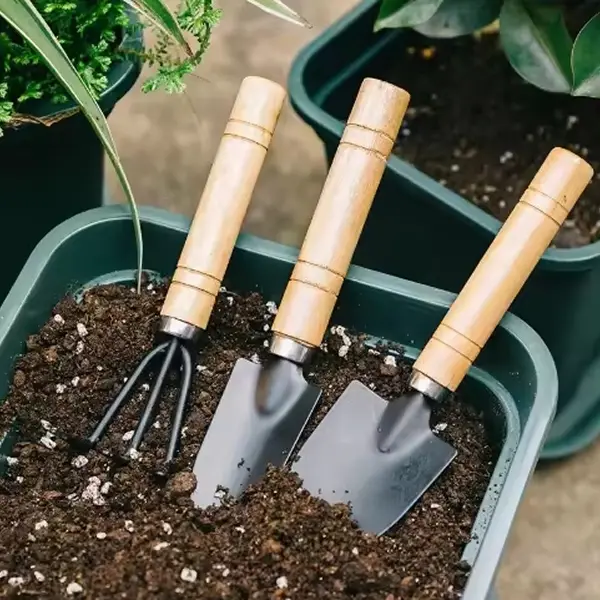
Electric and gas-powered blowers become indispensable for clearing winter debris (such as leaves, twigs, and branches): backpack blowers offer mobility for large properties, while handheld models work for precision tasks in tight spaces. Companies should ensure sufficient stock of planting tools (e.g., trowels, bulb planters, transplanting spades) to meet the surge in floral and shrub installation requests during spring.
2. Summer Irrigation and Maintenance Tools
Summer peak season shifts focus to irrigation system maintenance and ongoing landscape upkeep, demanding specialized tools for water management and heat-resistant operations. High-quality hoses with crush-resistant fittings and adjustable pressure settings are essential for efficient watering—longer lengths (50-100 feet) should be stocked for large commercial properties. Drip irrigation equipment (emitters, tubing, controllers) should be prioritized, as water conservation becomes a key client concern in warmer months, and these systems require regular maintenance and replacements.
Lawn mowers (encompassing walk-behind and ride-on models) require thorough inspections before peak season use, with replacement blades, belts, and filters on hand to address wear from frequent use. Hedge trimmers and edgers designed for high-temperature operation help maintain crisp landscape lines, while portable misters and cooling gear support worker comfort during hot weather, ensuring consistent productivity.
Supplier Partnerships and Inventory Stocking Strategies
1. Building Reliable Supplier Relationships
Reliable partnerships with suppliers form the foundation for effective peak season inventory preparation in landscaping operations. Landscaping companies should cultivate relationships with reputable vendors specializing in commercial landscaping equipment and supplies, prioritizing suppliers that offer bulk pricing, flexible payment terms, and expedited shipping—ensuring cost savings and timely delivery of critical items.
Preferred vendor status can be established through consistent ordering, unlocking exclusive benefits such as priority fulfillment during stock shortages and access to new product releases. Companies should also maintain a list of backup suppliers for essential tools and consumables, reducing risks of delays or stockouts from primary vendors. This is particularly important for high-demand items like pruning shears and irrigation components. Regular supplier communication remains necessary, involving discussions about projected peak season needs to enable proactive inventory allocation and customization of orders to match specific business requirements.
2. Data-Driven Stocking and Inventory Management
Data-driven inventory planning eliminates guesswork and optimizes stock levels for peak season success. Landscaping companies should analyze historical project data to identify trends in tool usage and consumable depletion, adjusting inventory quantities based on past peak season demands. Implementing inventory management software or cloud-based tracking systems enables real-time monitoring of stock levels, automatic reorder alerts, and streamlined asset tracking across multiple teams or job sites.
Tools should be categorized by frequency of use and criticality to prioritize replenishment: high-use items (e.g., pruning shears, gloves) should be stocked at higher levels, while specialty tools require lower stock levels. Just-in-time stocking works for less frequently used equipment, reducing storage costs while maintaining an adequate supply. Regular inventory audits (biweekly during peak season) prevent overstocking or stockouts by identifying discrepancies between recorded and actual stock levels.
Use historical project data to forecast tool usage and implement an inventory tracking system. Categorize tools by frequency of use and criticality, ensuring essential items like pruning shears and gloves are always in stock. Regular audits and real-time monitoring prevent stockouts and overstocking.
Call to Action
Peak season success for landscaping companies hinges on proactive tool inventory preparation that aligns with seasonal demands, client expectations, and operational capacity. Start by conducting a comprehensive audit of existing tools and consumables, identifying worn or outdated equipment, and calculating required stock levels based on historical data and projected job volume. Prioritize partnerships with reliable suppliers to secure bulk pricing and expedited shipping agreements, safeguarding against operational delays. Implement an inventory tracking system to maintain real-time stock visibility, and schedule regular maintenance checks for all landscaping tools to preserve functionality, extending their lifespan and performance.
Start preparing your landscaping tool inventory 6-8 weeks in advance. By investing in strategic planning, you can minimize downtime, maximize productivity, and deliver exceptional service during peak season. Contact Scarecrow Garden Supplier Co., Ltd for guidance on tool selection and inventory management.

Written by
ScarecrowGarden
💡About Scarecrow Garden Supplier Co., Ltd.
Scarecrow Garden Supplier Co., Ltd. is a China-based sourcing and wholesale partner specializing in biaogarden tools, landscaping equipment, and outdoor supplies for international wholesalers, distributors, contractors, and brands.
With hands-on experience rooted in real garden use scenarios, we focus on durable materials, functional design, and stable large-volume supply. Our product range covers pruning tools, watering systems, hand tools, outdoor hardware, and customized garden solutions to support both retail and professional landscaping markets.
Beyond products, we help our partners navigate supplier selection, quality control, compliance requirements, and long-term sourcing strategies in China. Through our blog, we share practical insights on product selection, material comparisons, industry trends, and cost-effective purchasing—helping global buyers build stronger, more competitive supply chains.
Related Articles

How to Source from China Without Missing Your Peak Season
China Public Holidays 2026: A Buyer’s Guide to Avoid Supply Chain Disruptions Before Long Shutdowns
Why Bulk Garden Tool Orders Fail — and How We Help Buyers Prevent Costly Quality Issues in China