








Updated 2 months ago
Why Are Landscaping Companies Typically Low-Profit? 8 Hidden Cost Traps, and How to Avoid Them

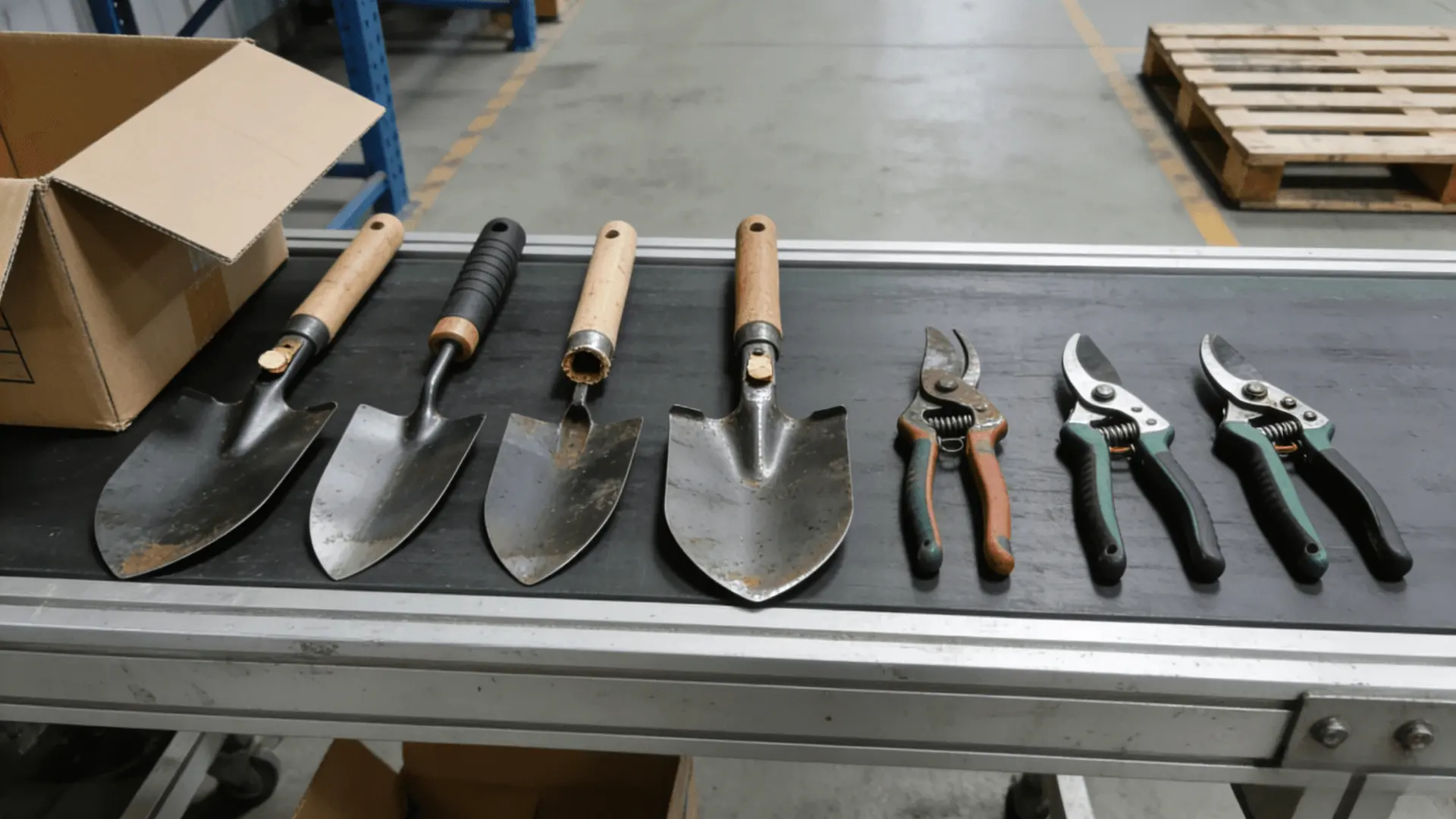
ScarecrowGarden
💡About Scarecrow Garden Supplier Co., Ltd.
Scarecrow Garden Supplier Co., Ltd. is a China-based sourcing and wholesale partner specializing in biaogarden tools, landscaping equipment, and outdoor supplies for international wholesalers, distributors, contractors, and brands.
With hands-on experience rooted in real garden use scenarios, we focus on durable materials, functional design, and stable large-volume supply. Our product range covers pruning tools, watering systems, hand tools, outdoor hardware, and customized garden solutions to support both retail and professional landscaping markets.
Beyond products, we help our partners navigate supplier selection, quality control, compliance requirements, and long-term sourcing strategies in China. Through our blog, we share practical insights on product selection, material comparisons, industry trends, and cost-effective purchasing—helping global buyers build stronger, more competitive supply chains.
Why Landscaping Businesses Struggle With Low Profit: 8 Hidden Cost Traps & Solutions | Scarecrow Garden Supplier
Abstract (Introduction)
The landscaping industry faces a notable paradox: high market demand coexists with persistently low profit margins for numerous companies. Industry surveys indicate the average net profit rate of small and medium-sized landscaping firms in North America and Europe ranges between 3% and 7%, significantly below the average level of service industries. This profitability gap is strongly tied to operational inefficiencies and hidden cost traps that most landscaping businesses underestimate. Because in addition to hard-core competition, 8 subtle hidden costs are eating away at your profits every day—from unprofessional tools leading to inefficient labor, to overlooked equipment maintenance and poorly planned landscaping tool procurement cycles, sapping your profits without you even realizing it's happening. The resolution to these issues is an important step toward landscaping business success that will improve efficiency and increase revenue. This article explores each cost trap, provides data-backed analysis, and offers actionable solutions with a focus on how optimizing tool management, upgrading landscaping equipment, and improving purchasing strategy can drive long-term profit growth.
Main Body: 8 Hidden Cost Traps and Corresponding Solutions
1. Low Labor Efficiency Due to Unprofessional Tools
Low labor efficiency from unprofessional or outdated tools stands as a major cost trap for landscaping companies. Studies demonstrate that workers using low-quality manual shears, conventional saws, and underpowered blowers spend 30% more time on identical pruning or cleaning tasks compared to those with professional tools. Trimming a 100-square-meter hedge with standard manual shears takes an average of 3 hours, while electric pruning shears cut this time to 1.5 hours. This inefficiency increases labor costs (40-60% of total expenses) and limits project capacity, directly impacting revenue potential. Landscaping companies relying on outdated tools consistently experience lower job throughput and reduced billable efficiency.
The solution involves investing in high-efficiency professional tools. Replace manual shears with cordless electric pruning shears for precise cutting and reduced strain, swap traditional saws for curved-blade pruning saws for fast, clean cuts on thick branches, and use high-powered backpack blowers covering 50% more area per hour than handheld models. The initial investment (2-3 times higher than low-quality alternatives) achieves ROI within 6-8 months through labor cost savings.
2. High Tool Attrition from Low-Quality Equipment
Many landscaping companies choose low-cost scissors, saws, and blowers to reduce upfront expenses, creating a hidden cost trap of high tool attrition. Data shows low-quality pruning tools have an average lifespan of 6-12 months, compared to 3-5 years for professional-grade equipment. While a mid-sized company with poor tools may be investing as much as 1,500-2,000 per annum on replacements, premium tool users pay only 300-500. Regular failures result in downtime at the project level, leading to customer dissatisfaction and fines.
Prioritize durability when selecting tools. Opt for heat-treated high-carbon steel pruning shears and loppers to prevent dulling or rust. For power tools, stick to leading brands with dependable motors and all-inclusive warranties. Professional tools cost more initially, but pay for themselves over time with longer lifespans and fewer replacements.
Working with reliable landscaping tool suppliers or choosing bulk purchasing options can further reduce annual tool replacement expenses.
3. Shortened Equipment Lifespan Due to Inadequate Maintenance
Inadequate equipment maintenance constitutes another hidden cost trap, shortening tool lifespan and increasing operational expenses. A survey found 65% of landscaping companies lack formal maintenance schedules, leading to premature failure. Neglecting to clean and lubricate pruning shears causes rust and jamming, reducing efficiency by 20% within 3 months, while power tools suffer 50% lifespan reduction without proper filter changes or battery care.
Implement a structured maintenance program. Assign staff to daily checks (cleaning blades, removing debris, inspecting wear), monthly deep maintenance (lubrication, sharpening, battery testing), and quarterly professional servicing for large equipment. Companies with regular maintenance reduce replacement costs by 35% and minimize downtime by 40%.
4. Overstaffing Caused by Lack of Long-Reach and Telescopic Tools
Many landscaping tasks (trimming high branches, reaching narrow spaces) require additional labor without appropriate tools. Without long-reach pruners or telescopic loppers, teams need 2-3 workers for tasks manageable by 1 person with the right equipment. Trimming 3-5 meter high branches typically needs two workers (ground support and ladder user), while a 4-meter telescopic lopper allows safe, efficient solo completion, increasing labor costs by 50-100% for specific tasks. Long-reach landscaping tools significantly reduce labor dependency and improve overall project economics.
Equip teams with long-handled and telescopic tools, including pruning shears, extendable hedge trimmers, and long-reach blowers. These tools reduce the required workers per task and eliminate ladder fall risks. Companies adopting these tools report 25-30% labor cost reduction for high-reach and precision tasks.
5. Material Waste from Inaccurate Tool Use
Inaccurate cutting from improper or low-quality tools leads to material waste, accumulating over time. Dull shears crush stems, increasing disease risk and requiring extra fungicides and plant care products—costing 200-300 monthly for companies servicing 20 gardens. Uneven cuts demand rework, wasting time and resources.
Eliminate waste through consistent tool maintenance and calibration. Make clean, plant-friendly cuts with precise tools (bypass pruners for green branches, anvil pruners for dead wood). Train workers on correct tool use (angles, pressure) to reduce damage. Companies investing in training and precision equipment cut material waste costs by 20-25%.
6. Seasonal Supply Shortages and Price Hikes
Landscaping companies face cost traps during peak seasons (spring, summer) from inadequate tool purchasing planning. Peak season purchases encounter 15-20% price hikes and supply shortages, with a company buying 10 pruning tool sets in spring paying $300 more than winter purchases. Last-minute buys often settle for low-quality tools due to limited availability.
Adopt seasonal bulk purchasing. Do year-end inventory audits to identify needed replacements, place bulk orders during off-peak times (fall/winter), negotiate discounts with suppliers, and set up annual contracts to lock in fixed prices. This approach achieves annual savings of 15-20% on tool and material costs.
Landscaping companies that partner with wholesale garden tool suppliers during the off-season secure both better pricing and stable availability.
7. Loss and Misplacement of Tools Without Proper Management
Without systematic tool management, landscaping companies experience frequent loss and misplacement. Industry data shows unmanaged inventories have 10-15% annual loss rates, with tools left at job sites, borrowed, or misplaced. It costs 500-1,000 to replace lost tools, and searching for misplaced equipment wastes 5-8 labor hours per week.
Create a numbering and tracking system for tools. Assign unique numbers to each tool, record them in a digital inventory, and require workers to sign out or sign in. Use GPS trackers for high-value equipment (electric lawnmowers, blowers). Companies with tracking systems reduce loss rates by 80% and save 4-6 labor hours weekly.
8. Increased Insurance Premiums Due to Safety Hazards
Outdated or improper tools increase workplace accident risks, leading to higher insurance premiums. Using ladders instead of telescopic tools for high-reach tasks raises fall risks (a leading industry injury cause), with a single claim increasing premiums by 20-30% for 3-5 years. They also result in lost workdays and possibly legal fees.
Lower risks by investing in safety-standard tools. Purchase safety-compliant tools (look for non-slip handles, blade guards, and overload protection), replace ladders with telescopic counterparts, and provide PPE (gloves, goggles, steel-toe boots). Regularly train personnel in safe tool use. Companies prioritizing safety reduce insurance-related costs by 15-25%.
Call to Action
Low profit margins in the landscaping industry are not inevitable—they result from unaddressed hidden cost traps related to tool inefficiency, poor maintenance, and inadequate management. Addressing these 8 traps through high-quality tool investment, structured maintenance, tool tracking, and seasonal bulk purchasing enables significant cost reduction and profitability growth.
If your company is suffering from low profits and seeking cost-saving solutions, or information on tool selection, supplier sourcing, seasonal purchasing, maintenance, or management systems—regardless of your COO’s operational struggles, team size, or project volume—Scarecrow Garden Supplier Co., Ltd will create a custom cost-cutting, profit-building solution specifically for your company. Turn hidden costs into real money and build market strength that gets you ahead of the competition.
Written by
ScarecrowGarden
💡About Scarecrow Garden Supplier Co., Ltd.
Scarecrow Garden Supplier Co., Ltd. is a China-based sourcing and wholesale partner specializing in biaogarden tools, landscaping equipment, and outdoor supplies for international wholesalers, distributors, contractors, and brands.
With hands-on experience rooted in real garden use scenarios, we focus on durable materials, functional design, and stable large-volume supply. Our product range covers pruning tools, watering systems, hand tools, outdoor hardware, and customized garden solutions to support both retail and professional landscaping markets.
Beyond products, we help our partners navigate supplier selection, quality control, compliance requirements, and long-term sourcing strategies in China. Through our blog, we share practical insights on product selection, material comparisons, industry trends, and cost-effective purchasing—helping global buyers build stronger, more competitive supply chains.
Related Articles

How to Source from China Without Missing Your Peak Season
China Public Holidays 2026: A Buyer’s Guide to Avoid Supply Chain Disruptions Before Long Shutdowns
Why Bulk Garden Tool Orders Fail — and How We Help Buyers Prevent Costly Quality Issues in China