






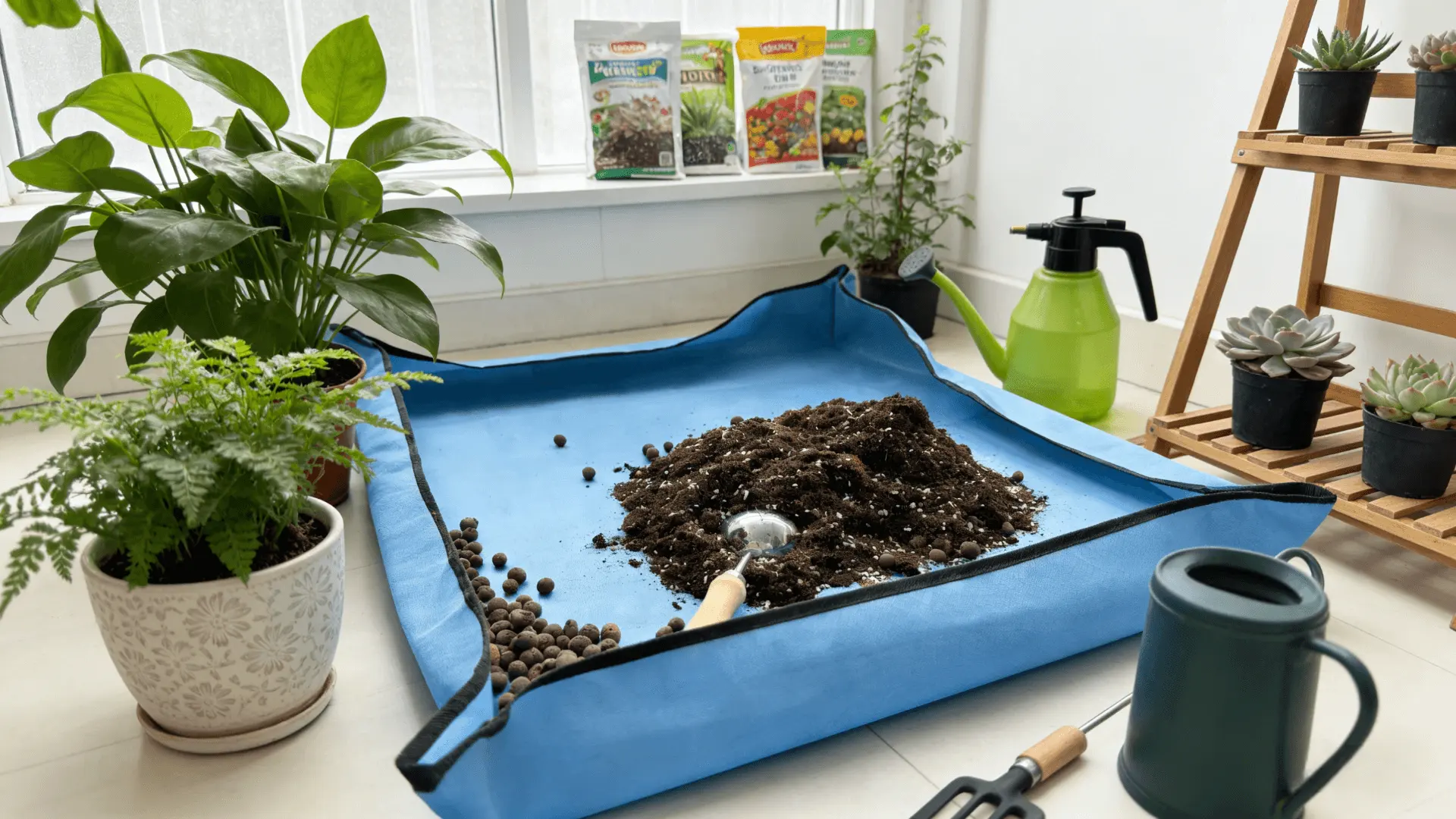
As a professional garden mat buyer, your purchasing decisions go far beyond unit price. They directly impact product durability, end-user experience, return rates, and ultimately your brand reputation.
With a wide range of garden mats on the market—varying in materials, construction quality, and supplier reliability—how can importers, wholesalers, and retailers make the right choice?
This guide provides a clear, professional, and procurement-focused analysis of:
- Oxford fabric garden mats vs. plastic mats
- Hidden quality differences within the same material category
- Common sourcing pitfalls and how to avoid them
- Why working with a specialized supplier like Scarecrow Garden Supplier creates long-term value for B2B buyers
1. Material Comparison: Oxford Fabric vs. Plastic Garden Mats
Which is the Right Choice for Your Market?

1.1 Fundamental Difference: Long-Term Asset vs. Disposable Product
At a structural level, thickened Oxford fabric garden mats are made from polyester Oxford fabric combined with a PVC or PE waterproof coating. This composite structure balances strength, flexibility, and functional performance.
Plastic garden mats, typically made from PE woven fabric or thin polyethylene sheets, are single-material plastic products.
This fundamental difference defines their positioning:
- Oxford fabric mats are designed for long-term, repeated use
- Plastic mats function as disposable or short-term consumables
1.2 Performance Comparison: What the Data Really Shows
From a B2B sourcing perspective, the key differences can be summarized across four critical dimensions:
Durability
- Oxford fabric mats: Tear resistance typically 800–1200N, abrasion resistance over 10,000 cycles, service life 3–5 years
- Plastic mats: Tear resistance 200–400N, easily damaged by sharp tools, usually single-use or short-term
User Experience
- Oxford fabric mats: Thickness 0.8–1.2mm, moderate cushioning, comfortable for kneeling or prolonged work
- Plastic mats: Rigid texture, no cushioning, uncomfortable in both hot and cold conditions
Environmental Adaptability
- Oxford fabric mats: Better breathability, suitable for soil, grass, patios, and indoor planting
- Plastic mats: Fully sealed, prone to condensation and moisture buildup
Sustainability
- Oxford fabric mats: Long lifecycle, significantly reduced waste over time
- Plastic mats: Low reuse rate, higher environmental burden
For professional buyers, total lifecycle cost, not just unit price, is the decisive factor.
2. Same Material, Different Quality: Hidden Traps in Oxford Fabric Garden Mats
Even products labeled “thick Oxford fabric” can vary dramatically in real-world performance.
2.1 Thickness & Density: The Truth Behind the Numbers
Reliable Oxford fabric garden mats should meet the following baseline standards:
- Fabric density: Minimum 200D, premium products 600D–1200D
- Coating thickness: ≥0.15mm
- Total thickness: ≥0.8mm
Common supplier shortcuts include:
- Inflated fabric density claims
- Reduced coating thickness to cut costs
- Artificial padding to increase thickness without durability
2.2 Edges & Corners: Where Most Failures Begin
Many mats fail not in the center—but at the edges.
Common issues
- Single-line stitching instead of reinforced seams
- Low-grade edge binding materials
- No corner reinforcement, leading to early tearing
High-quality construction includes
- Multi-layer lock stitching
- Waterproof seam sealing
- Reinforced triangular corner patches
- Stress-distribution design to prevent tearing
2.3 Coating Uniformity: The Invisible Quality Gap
The coating process separates professional-grade products from low-end alternatives.
Poor-quality coatings
- Uneven thickness
- Weak adhesion to base fabric
- UV degradation and brittleness
- Strong chemical odor indicating harmful residues
Professional coating standards
- Thickness tolerance within ±0.02mm
- Peel strength ≥30N/5cm
- UV-resistant treatment
- Compliance with ROHS and environmental regulations
2.4 Accessories Matter More Than You Think
Durability depends on every component:
- Buckles: plastic vs. metal load capacity
- Carry straps: standard webbing vs. reinforced nylon
- Storage bags: thin fabric vs. matching Oxford material
These details directly affect return rates and customer satisfaction.
3. Common Purchasing Problems & Practical Solutions
3.1 Sample Quality ≠ Bulk Quality
Solution
- Require inspection reports and production photos
- Define tolerances in contracts
- Stage payments with incoming quality checks
3.2 Shrinking Size & Weight
Solution
- Specify size tolerance (e.g., ±1%)
- Set minimum weight requirements
- Random inspections upon arrival
3.3 False Environmental Claims
Solution
- Request third-party test reports
- Periodic independent lab testing
- Work with certified suppliers (OEKO-TEX, REACH)
3.4 Seasonal Supply Instability
Solution
- Annual framework agreements
- Safety stock planning
- Multi-source supplier strategies
4. Why Professional Buyers Choose Scarecrow Garden Supplier
4.1 Deep Industry Focus
Scarecrow Garden Supplier specializes exclusively in garden tools and protective gardening products.
Our expertise includes:
- Material science testing and optimization
- Dedicated coating formula development
- Full-process knowledge from fabric weaving to final assembly
4.2 Customization for Market Differentiation
We support:
- Size, thickness, shape customization
- Branding, color, pattern, and logo options
- Functional add-ons such as tool pockets or kneeling pads
- Climate-specific performance adjustments
4.3 Supply Chain Stability You Can Rely On
- In-house production capacity
- Strategic partner factory network
- Raw material reserve planning
- Optimized logistics and inventory transparency
4.4 Long-Term Partnership, Not One-Time Orders
We provide:
- Product training materials
- Sales support content
- Market trend insights
- Continuous product improvement based on real feedback
5. A Practical Decision Framework for Garden Mat Buyers
Step 1: Define Use Scenarios
Who is the end user?
How frequently will the mat be used?
What performance matters most?
Step 2: Set Non-Negotiable Quality Standards
Minimum thickness, fabric density, certifications, performance metrics
Step 3: Evaluate Suppliers Holistically
Industry focus, QC systems, customization ability, supply stability, service level
Step 4: Calculate True Cost
Unit price + logistics + defect rate + customer satisfaction + brand value
With the above information, wholesalers, importers and retailers can have a more comprehensive strategy for their respective inventory.
6. Take the Next Step: Source with Confidence
Every sourcing decision is an investment in your long-term competitiveness.
Why now is the right time to talk with Scarecrow Garden Supplier:
- Free full-product sampling
- Engineering consultation for your market
- Small MOQ trial orders
- Access to real market insights and trends
If you are looking for a reliable, professional garden mat sourcing partner, our team is ready to support your next project.
Written by
ScarecrowGarden
💡About Scarecrow Garden Supplier Co., Ltd.
Scarecrow Garden Supplier Co., Ltd. is a China-based sourcing and wholesale partner specializing in biaogarden tools, landscaping equipment, and outdoor supplies for international wholesalers, distributors, contractors, and brands.
With hands-on experience rooted in real garden use scenarios, we focus on durable materials, functional design, and stable large-volume supply. Our product range covers pruning tools, watering systems, hand tools, outdoor hardware, and customized garden solutions to support both retail and professional landscaping markets.
Beyond products, we help our partners navigate supplier selection, quality control, compliance requirements, and long-term sourcing strategies in China. Through our blog, we share practical insights on product selection, material comparisons, industry trends, and cost-effective purchasing—helping global buyers build stronger, more competitive supply chains.
Related Articles

How to Source from China Without Missing Your Peak Season

China Public Holidays 2026: A Buyer’s Guide to Avoid Supply Chain Disruptions Before Long Shutdowns
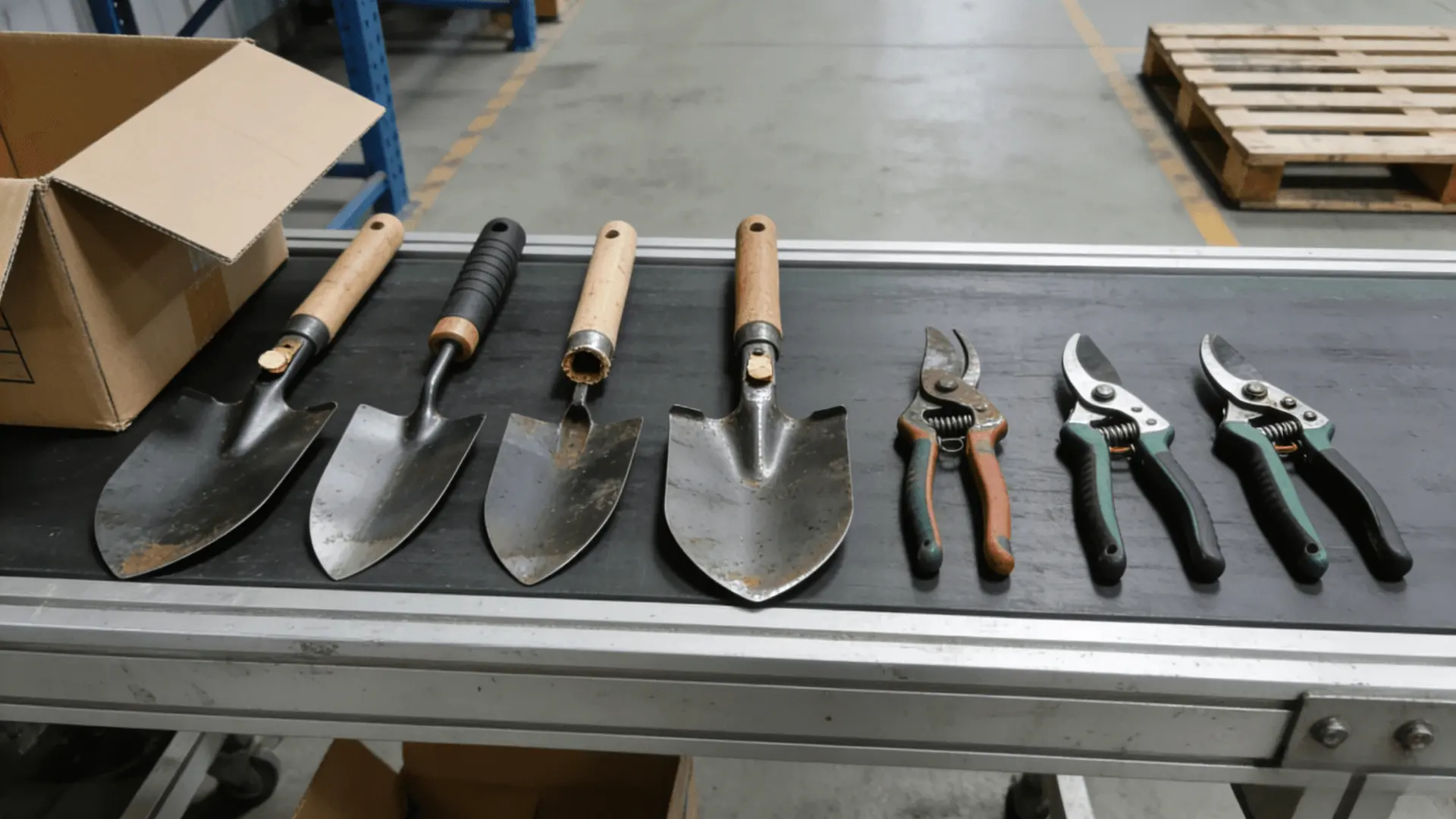
Why Bulk Garden Tool Orders Fail — and How We Help Buyers Prevent Costly Quality Issues in China