










Updated 2 months ago
Electric vs Gas Landscaping Equipment: A Cost-Effective Buyer Guide for Professional Crews

ScarecrowGarden
💡About Scarecrow Garden Supplier Co., Ltd.
Scarecrow Garden Supplier Co., Ltd. is a China-based sourcing and wholesale partner specializing in biaogarden tools, landscaping equipment, and outdoor supplies for international wholesalers, distributors, contractors, and brands.
With hands-on experience rooted in real garden use scenarios, we focus on durable materials, functional design, and stable large-volume supply. Our product range covers pruning tools, watering systems, hand tools, outdoor hardware, and customized garden solutions to support both retail and professional landscaping markets.
Beyond products, we help our partners navigate supplier selection, quality control, compliance requirements, and long-term sourcing strategies in China. Through our blog, we share practical insights on product selection, material comparisons, industry trends, and cost-effective purchasing—helping global buyers build stronger, more competitive supply chains.
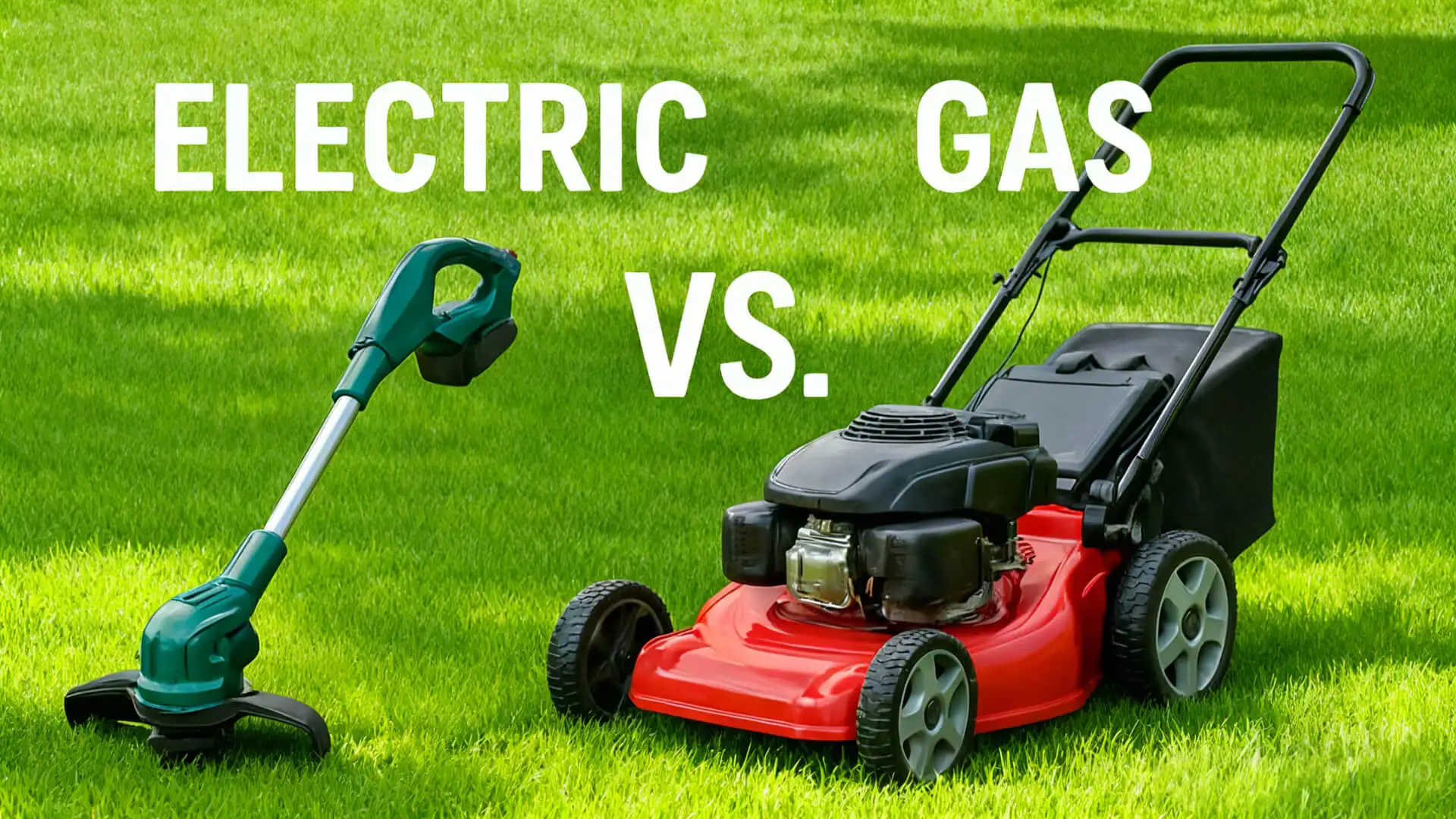
Electric vs Gas Landscaping Equipment: Which Is More Cost-Effective for Professional Crews?
Abstract
Choosing between electric and gas landscaping equipment directly affects long-term operating costs, service productivity, and fleet budgets. Understanding the cost differences helps landscaping companies make smarter investment decisions and avoid unnecessary overhead.
Landscapers also depend on performance-earning equipment —essentially a comparison of electric vs gas landscaping tools—is a significant one, too. And their choice between electric and gasoline landscape equipment is a significant one, too. This paper compares critical performance and financial parameters over a lifetime, such as initial capital costs, long-term costs, operating productivity, maintenance, noise characteristics, and environmental impact to help professionals evaluate what ultimately becomes the most cost-effective landscaping equipment for their working conditions to demonstrate which GTE type is the most cost-effective solution for various professional landscape applications. Application-driven tools and application-dedicated specifications models offer suggestions for organizations working to optimize their fleet investments with less waste from overhead while also raising the bar on service capabilities in a way that aligns with industry sustainability standards, plus performance expectations.
Key Metrics: Electric Versus Gas-Powered Landscaping Tools
Total Cost of Ownership (TCO)
Initial Cost and Lifetime Operating Differences
The total cost of electric landscaping tools is typically 15–30% higher in TCO when calculated from the initial purchase and compared directly with gas-powered equipment. CoGas Equivalent: 500–800; semi–commercial electric backpack blowers range from 300–1,000, while electric ride-on mowers fall between 3,000–8,000 compared with 2,000–6,000 for gas models. TCO dynamics shift over time: electric tools draw about 0.12–0.15 kWh (0.50–1.00/hr energy cost), while gas-powered equipment consumes 3–5 gallons per hour with 0.5–1 gallon hourly usage, translating to 1.50–5/hr fuel cost. Over a 5-year cycle, an electric blower used 200 hours per year saves roughly $200–800 in fuel, though battery replacements of $100–300 every 3–5 years apply. Gas tools accumulate around $100–200 in annual maintenance per unit, compared with $20–50 for electric, giving electric fleets greater TCO benefits. Additional factors include tool lifespan (7–10 years for electric vs 5–7 for gas) and municipal rebates or tax credits that further reduce net ownership cost.
Operational Efficiency
Electric tools provide instant torque with no warm-up time, which is indispensable for work in the field. Good for small to medium-sized projects, cordless pruners, blowers and mowers offer 4-8 hours of uninterrupted use enough time to get through 3-5 residential properties' worth of work a day, or put in some maintenance on a small office park. Large-scale commercial landscaping continues as the domain of gas-powered tools. 2 2-stroke gas blowers have the airflow roughly 20-30% more than electric ones. Gas ride-on mowers take 1 hour to cover 1-3 acres. Electric ones cover the same amount of land in 0.5-1.5 hours. Professional teams managing golf courses, industrial complexes, and large public parks leverage gas tools’ unlimited runtime (refueling completed in minutes) and enhanced power delivery for handling dense vegetation, extended lawn areas, and nonstop operational demands. It is critical for meeting stringent commercial project timelines and servicing expansive landscapes efficiently.
Maintenance Requirements
Electric landscaping equipment minimizes maintenance obligations requiring only routine air filter cleaning, battery storage at 50% charge, periodic blade sharpening, no oil changes spark plug replacements or carburetor servicing. Gas-powered tools demand extensive ongoing upkeep, including oil changes every 25-50 hours (15-30 per service), annual spark plug replacement (5-10), carburetor cleaning (50-100 yearly) fuel system maintenance to prevent gumming during seasonal inactivity. Major repairs such as engine overhauls can cost 30-50% of a gas tool’s original purchase price. Electric models rarely necessitate significant repairs. Teams operating 10+ tools achieve 800-1,500 in annual maintenance savings by selecting electric equipment.
Noise and Environmental Impact
Electric tools operate at 60-75 decibels, comparable to normal conversation levels, compliant with residential noise ordinances, eliminating the need for worker hearing protection. Gasoline equipment at between 85-100 decibels, comparable to motorcycle engine sound levels, which has potential for noise complaints and fines in residential communities, provided operators listen to their equipment materials. Environmentally, electric tools produce no direct pollutants and match customer desires for green landscaping services and local carbon reduction initiatives. Gas-powered equipment emits carbon monoxide, nitrogen oxides, and particulate matter, which could limit access to eco-conscious commercial customers. Many towns have tax credits, and others rebates that they provide rebates to landscaping operators who use electronic equipment, further contributing to the cost-effective method of running environmentally wildlife-friendly work sites.
Which Is The Most Economical For Pros?
For Homes & Small Commercial (Neighborhood Lawn, Office Park) types of projects
Electric Landscaping Equipment is the most cost-effective for teams doing residential work or small commercial under 1-acre offices. Electric blowers, pruning shears, and walk-behind mowers match the power demands for trimming hedges, clearing debris maintaining small lawns while avoiding noise complaints, lowering maintenance costs saving fuel expenses that fit the tighter profit margins of residential work. The eco-friendly design is appealing to those who are looking for sustainable and durable PROVALUE. A team that mows 10 lawns can elongate their monthly maintenance time by 5-8 hours or reduce labor force by one a year, saving up to $300-$500 in gas-powered tool costs annually.
If you want to know how to choose pruning shears, browse the article '9 factors to Consider When Choosing Gardening Pruners' to take reference.
Commercial/Farm Use (Golf Course, Large Park, Industrial Park)
“Gas-powered lawn and garden appliances remain the most economical choice for crew-based or larger acreage jobs.” Gas-powered ride-on lawnmower with diesel engine, 23.5+ HP Large 4-stroke Air-cooled Blowers, Hydraulic pruning shears. Provide the power and operating time it takes to tackle dense undergrowth, thickets, tall grass, and periodic storm debris-continuous mowing in the most challenging conditions, uninterrupted work on golf courses, Industrial sites, or large parks. The higher upfront cost is offset by faster project completion times, gas mowers service 2-3x more area per day than electric models, and eliminate reliance on charging infrastructure critical for remote worksites without power access. A crew maintaining a 5-acre industrial park finishes in 4-6 hours with a gas ride-on mower (2520mm+ cutting width) versus 8-10 hours with an electric model freeing time for additional client work higher revenue gas tools like the Husqvarna 372XP-torq chainsaw (4.1KW output) handle heavy clearing efficiently meeting commercial deadlines compliance with national emission standards (e.g., China IV) ensures eligibility for public sector contracts common in large-scale maintenance.
Equipment Upgrade Recommendations
Electric Equipment Upgrades
- Electric Backpack Blowers: Consider the 60+ volt battery variety, such as the EGO Power+ LB6504 with a runtime between 2-4 hours, airflow above 500 CFM to handle light/heavy debris in residential areas, and a lightweight model between 10-15 lbs that prevents operator fatigue through extended use.
- Electric Walk-Behind Lawnmowers: Select 20-22 inch cutting decks with the option of dual batteries, like the Greenworks Pro 80V mowing two acres at a time, depending on charge. Self-propelled with variable speed options maximizes overall efficiency on rough, tough conditions.
- Electric Pruning Shears: Choose a rechargeable model with 20-30 mm cutting diameter, such as Makita XHU02Z, for hedge trimming as well as small branch pruning, and to complete over 500 cuts on 1 charge, so it can satisfy the homeowner's daily project needs.
Gas-Powered Equipment Upgrades
- Gas Backpack Blowers: Choose between 2-stroke and 4-stroke engines with models that have air flow ratings of 600+ cfm (cubic feet per minute), such as the Husqvarna 570BTS for commercial needs. The 4-stroke design with this powerhead model leads to less fuel consumption and emissions than comparable 2-stroke motors.
- Gas Ride-On Lawnmowers: Choose zero-turn models with 42-60 inch cutting decks, such as Toro TimeCutter Z5000, for vast mowing jobs. 20+ HP engines climb uphill with ease on 15-degree grass slopes.
- Gas Hedge Trimmers: Choose blade lengths of 24-30 inches with anti-vibration handles, like those found on the Stihl HS 82 RC-E, for big jobs. Easy-start system minimizes downtime between uses.
Call to Action
The cost-effectiveness of electric vs. gas-powered landscaping equipment hinges on your team’s project focus, scale long-term goals. Residential-focused teams gain from electric tools’ lower maintenance and fuel costs. Commercial teams handling large properties rely on gas tools’ power runtime. To optimize your equipment fleet, start by auditing current projects, including residential vs. commercial split average job size calculating annual fuel maintenance expenses for existing tools.
Unsure which type aligns with your business or need help selecting specific models? Contact our team of landscaping industry experts for a personalized cost-benefit analysis tailored to your project mix, budget client demographics. Invest in tools and resources that streamline operations, lower overhead and lead to profit.
Don’t allow old or conflicting tools to slow your team down. Migrate to affordable solutions that are conducive to sustainable expansion and excellent customer service.
If you would like to learn more or exchange ideas about garden tools sourcing, feel free to reach out to our team for an initial discussion.
Written by
ScarecrowGarden
💡About Scarecrow Garden Supplier Co., Ltd.
Scarecrow Garden Supplier Co., Ltd. is a China-based sourcing and wholesale partner specializing in biaogarden tools, landscaping equipment, and outdoor supplies for international wholesalers, distributors, contractors, and brands.
With hands-on experience rooted in real garden use scenarios, we focus on durable materials, functional design, and stable large-volume supply. Our product range covers pruning tools, watering systems, hand tools, outdoor hardware, and customized garden solutions to support both retail and professional landscaping markets.
Beyond products, we help our partners navigate supplier selection, quality control, compliance requirements, and long-term sourcing strategies in China. Through our blog, we share practical insights on product selection, material comparisons, industry trends, and cost-effective purchasing—helping global buyers build stronger, more competitive supply chains.
Related Articles

How to Source from China Without Missing Your Peak Season
China Public Holidays 2026: A Buyer’s Guide to Avoid Supply Chain Disruptions Before Long Shutdowns
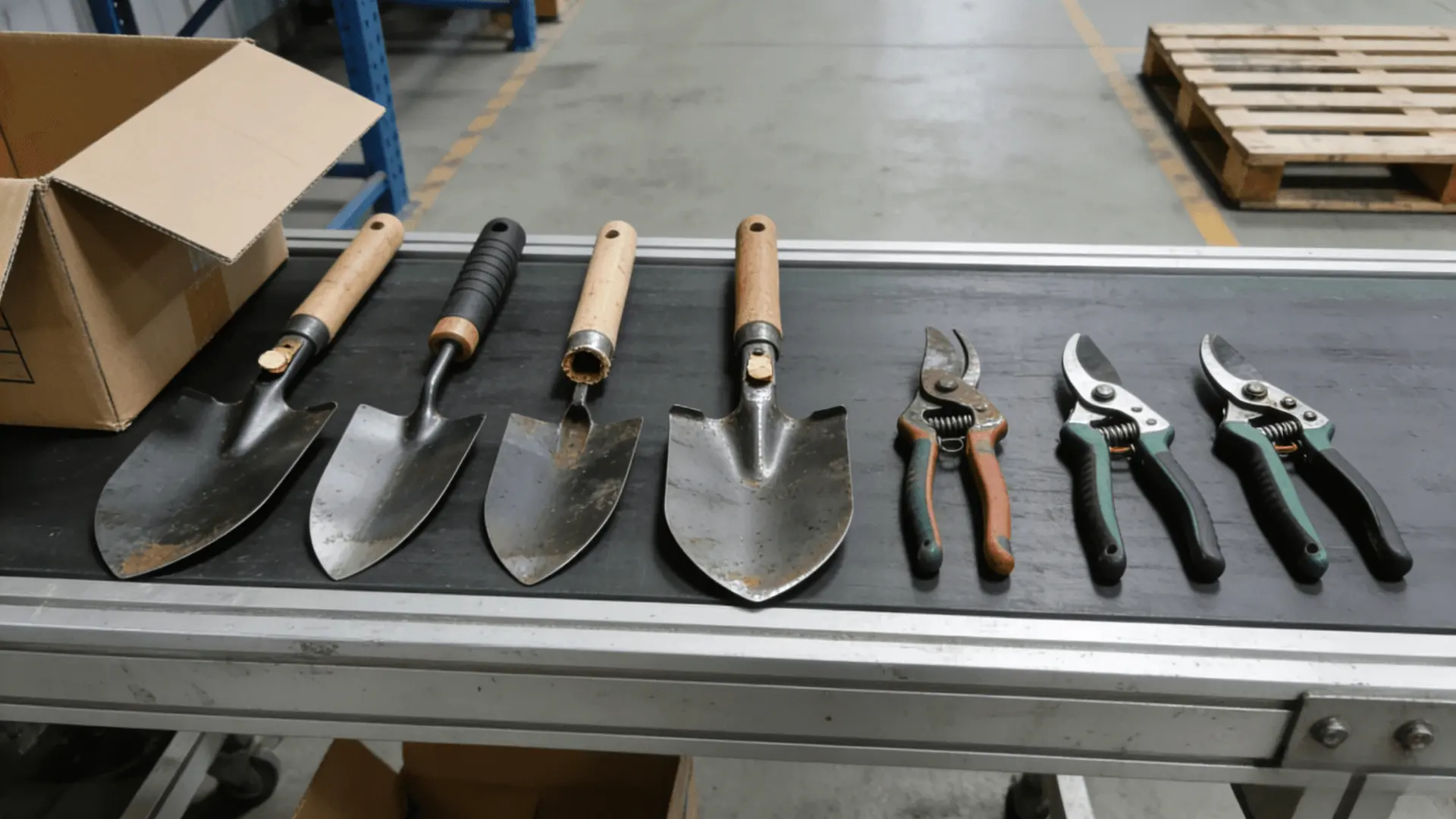
Why Bulk Garden Tool Orders Fail — and How We Help Buyers Prevent Costly Quality Issues in China