







Updated 2 months ago
A Professional Buyer's Guide to Choosing Wholesale Landscaping Tools for Long-Term Projects

ScarecrowGarden
💡About Scarecrow Garden Supplier Co., Ltd.
Scarecrow Garden Supplier Co., Ltd. is a China-based sourcing and wholesale partner specializing in biaogarden tools, landscaping equipment, and outdoor supplies for international wholesalers, distributors, contractors, and brands.
With hands-on experience rooted in real garden use scenarios, we focus on durable materials, functional design, and stable large-volume supply. Our product range covers pruning tools, watering systems, hand tools, outdoor hardware, and customized garden solutions to support both retail and professional landscaping markets.
Beyond products, we help our partners navigate supplier selection, quality control, compliance requirements, and long-term sourcing strategies in China. Through our blog, we share practical insights on product selection, material comparisons, industry trends, and cost-effective purchasing—helping global buyers build stronger, more competitive supply chains.
How to Choose Professional Landscaping Tools for Long-Term Projects | Scarecrow Garden Supplier
Abstract
Professional landscaping tools are essential for buyers and contractors managing long-term landscaping projects, including commercial developments, public parks, and large-scale residential installations. Unlike short-term gardening tasks, long-term projects demand tools that can withstand sustained heavy use, harsh environments, and diverse workloads without frequent replacement. These factors test standard equipment to its limits.
This article explores key distinctions. The distinctions are between long-term engineering-focused landscaping and everyday gardening. The article outlines critical factors for tool selection. The factors are materials, structural design and durability. The article provides actionable procurement strategies. These strategies are tailored to long-term project needs. The analysis emphasizes a key point. Prioritizing professional landscaping tools is essential. These tools are crafted from high-quality materials. The materials include SK5 steel, high-carbon steel and stainless steel. These tools must feature robust structural design. This combination minimizes downtime. It reduces replacement costs. It ensures consistent results across extended project timelines. Landscaping professionals can invest in tools. These tools deliver long-term value. They support project success. Professionals can do this by following evidence-based selection criteria. They can also do this by following procurement best practices.
These insights help landscaping professionals choose the best professional landscaping tools for long-term projects, ensuring durability, efficiency, and reduced lifecycle costs.
1. The Distinction Between Long-Term Landscaping Projects and Regular Gardening
Long-term landscaping projects stand apart from routine gardening tasks in fundamental ways, rooted in their scope, intensity, and operational demands. These projects require professional landscaping tools. These tools are engineered to meet elevated standards. There are two differences that directly shape how professionals choose landscaping tools for long-term projects. The first difference is higher durability requirements. The second difference is sustained operational intensity.
Long-term projects impose greater durability demands. These demands are far beyond those of regular gardening. Routine tasks involve weekly trimming and small-scale planting. These tasks rely on tools. These tools are designed for intermittent use. They are often made from lightweight materials. These materials prioritize portability over longevity. Long-term projects are different. Examples of such projects are multi-month commercial landscape installations and annual public park maintenance. These projects expose tools to daily heavy use. They expose tools to extreme temperatures, moisture and abrasive materials. The abrasive materials include rocks, thick branches and compacted soil. Tools must withstand repeated stress. They must not compromise performance. Frequent replacements disrupt workflows. They inflate project costs. A standard pruning shear works well for trimming a few shrubs in a residential garden. A long-term project involves hundreds of mature trees. Such a project requires professional landscaping tools. These tools feature reinforced blades paired with corrosion-resistant coatings. These features prevent premature wear. This is why choosing professional-grade landscaping tools with reinforced materials is essential for any long-term landscaping project.
Sustained operational intensity is another key factor. It differentiates long-term projects from regular gardening. Gardening tasks typically involve short bursts of activity. These activities are spread across days or weeks. It allows tools to recover. Long-term landscaping projects require continuous use. This use can last for hours at a time. It places physical strain on tools. It places physical strain on operators. This sustained workload demands specific tool features. The features are ergonomic designs and robust structural components. These designs reduce fatigue. These components prevent mechanical failure. Professional landscaping tools are used in certain projects. These projects include highway median landscaping and large estate development. These tools must maintain cutting power. They must maintain stability and comfort. This is required during 8+ hour workdays. Standard gardening tools lack these capabilities. Ordinary equipment cannot handle prolonged use. This leads to frequent breakdowns. It leads to uneven results and increased labor hours. This shows the necessity of specialized tools for long-term projects.
2. Key Factors for Choosing Professional Landscaping Tools
Selecting effective professional landscaping tools for long-term projects depends on critical considerations. Material quality and structural integrity directly impact durability, performance and cost-effectiveness over extended use.
Material Selection
Material selection is the foundation of choosing tools that can withstand long-term workloads. Three materials are prominent for professional landscaping tools:
1. SK5 Steel
- High-quality carbon steel alloy
- Hardness HRC 58–60
- Excellent sharpness retention
- Resistant to chipping and deformation
- Ideal for pruning shears and hedge trimmers
2. High-Carbon Steel
- Strong and flexible
- Suitable for shovels, rakes, garden saws
- Can withstand impact and bending forces
- More durable than standard steel
- Requires oiling or coating to prevent rust
3. Stainless Steel
- High corrosion resistance
- Suitable for wet or coastal environments
- Used in sprinkler installation tools and edgers
- Slightly less hard than SK5 and high-carbon steel
When comparing SK5 steel, high-carbon steel, and stainless steel, project managers should evaluate which material best matches the cutting, digging, and trimming requirements of long-term landscaping work.
3. Procurement Guidance for Long-Term Landscaping Projects
Securing professional landscaping tools suited to long-term projects calls for a strategic approach. This approach balances quality, functionality and cost. Four key tips help landscaping teams choose the right professional tools for long-term projects. They also help ensure investment value. The first tip is to prioritize core tool categories. The second is to verify material integrity. The third is to assess structural durability. The fourth is to consider the total cost of ownership.
Focus on Core Professional Landscaping Tool Categories
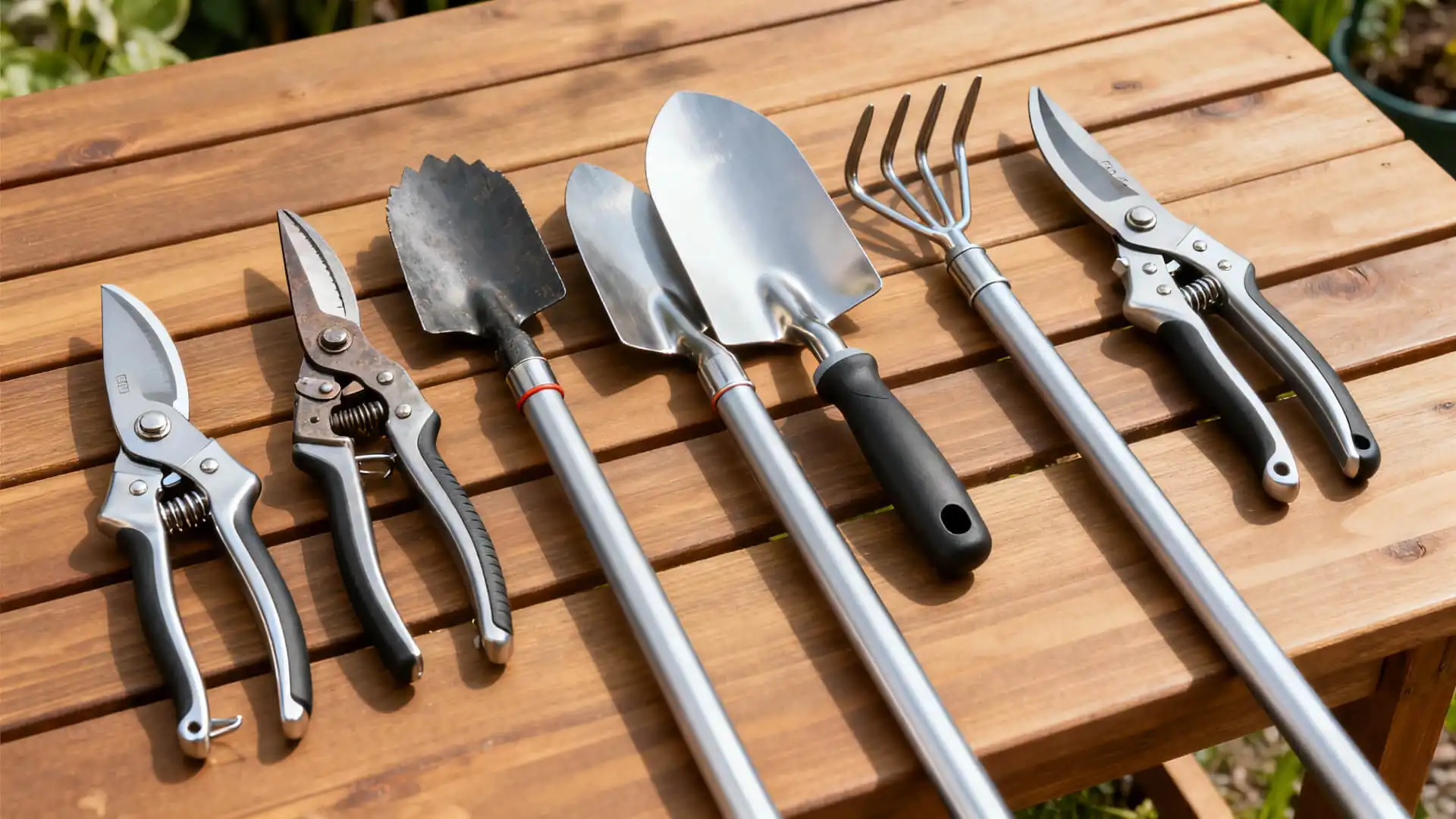
These categories are tailored to long-term project needs. Essential tools include the following items. The first item is SK5 steel pruning shears. They are used for precise and durable cutting. The second item is high-carbon steel tools. Examples are shovels, rakes and garden saws. They are used for heavy-duty tasks. The third item is reinforced handle tools. Examples are hedge trimmers and loppers. They are used for sustained use. The fourth item is long-handled tools. Examples are edgers and cultivators. They are used for reach and efficiency.
These tools address common tasks in long-term projects. They offer the required durability. Selecting SK5 steel pruning shears requires choosing specific models. These models have full-tang blades. The blades extend through the handle. This design provides added strength. The models also have ergonomic grips. These grips reduce fatigue. High-carbon steel tools should feature heat-treated blades. They should also feature rust-resistant coatings. These features prolong their lifespan. Reinforced handle tools benefit from rubberized grips. They also benefit from shock-absorbing materials. These elements enhance practical utility during extended use.
Landscaping companies working with sourcing partners or trading suppliers should ensure these core categories are included in their purchasing plans for long-term projects.
Verify Material Authenticity
This step helps avoid low-quality imitations. Many tools on the market make certain claims. They claim to use SK5 steel or high-carbon steel. They are actually constructed with inferior alloys. These alloys do not meet durability standards. Ensuring authenticity requires the following steps. The first step is to request material certificates from suppliers. The second step is to inspect tool markings. Genuine SK5 tools often have the “SK5” stamp on the blades. The third step is to choose reputable brands. Examples are Fiskars, Felco and Corona. These brands are known for professional-grade equipment. They have transparent material sourcing. The fourth step is to avoid generic or unbranded tools. Their materials are untested. They are prone to premature wear. They lead to costly mid-project replacements.
Assess Structural Durability
Evaluating structural durability involves hands-on testing and reviews. Before purchasing, certain checks are necessary:
- Inspect hinges for smooth movement and tightness;
- Test handles for stability;
- Avoid wobbly or weak handles;
- Evaluate locking mechanisms for reliability;
- Look for user reviews and professional testimonials. These reviews and testimonials highlight long-term performance;
- Prioritize tools with positive feedback. The feedback should come after 6+ months of heavy use. An example is a garden saw. It has a reinforced blade frame and a non-slip handle. It is praised for enduring months of tree pruning without structural issues.
Call to Action
Long-term landscaping projects demand professional landscaping tools. These tools deliver durability, performance and value over extended timelines. Using standard gardening equipment to cut corners leads to frequent breakdowns. It leads to increased costs and compromised results. No project can afford these risks. Start by auditing your current tool inventory. Identify gaps in durability or functionality. Focus on high-priority items. These items are SK5 steel pruning shears, high-carbon steel heavy-duty tools, reinforced handle equipment and long-handled tools. Research reputable suppliers. These suppliers have a track record of providing authentic professional-grade products. Ensure proper tool maintenance and correct handling. These actions extend their lifespan. They prioritize performance. Prioritize quality materials and robust structural design. This equips your team with tools.
These tools support long-term project success. They reduce operational costs. They enhance your reputation as a reliable landscaping professional. Invest in professional landscaping tools. These tools grow with your work. They deliver consistent results project after project. Before purchasing, professionals should compare tool materials, structure, and ergonomic design to choose the most reliable landscaping tools for multi-month or high-intensity projects.
If you have any other needs, you can tell Scarecrow Garden Supplier what you need, and we will always be here for you.
Written by
ScarecrowGarden
💡About Scarecrow Garden Supplier Co., Ltd.
Scarecrow Garden Supplier Co., Ltd. is a China-based sourcing and wholesale partner specializing in biaogarden tools, landscaping equipment, and outdoor supplies for international wholesalers, distributors, contractors, and brands.
With hands-on experience rooted in real garden use scenarios, we focus on durable materials, functional design, and stable large-volume supply. Our product range covers pruning tools, watering systems, hand tools, outdoor hardware, and customized garden solutions to support both retail and professional landscaping markets.
Beyond products, we help our partners navigate supplier selection, quality control, compliance requirements, and long-term sourcing strategies in China. Through our blog, we share practical insights on product selection, material comparisons, industry trends, and cost-effective purchasing—helping global buyers build stronger, more competitive supply chains.
Related Articles

How to Source from China Without Missing Your Peak Season
China Public Holidays 2026: A Buyer’s Guide to Avoid Supply Chain Disruptions Before Long Shutdowns
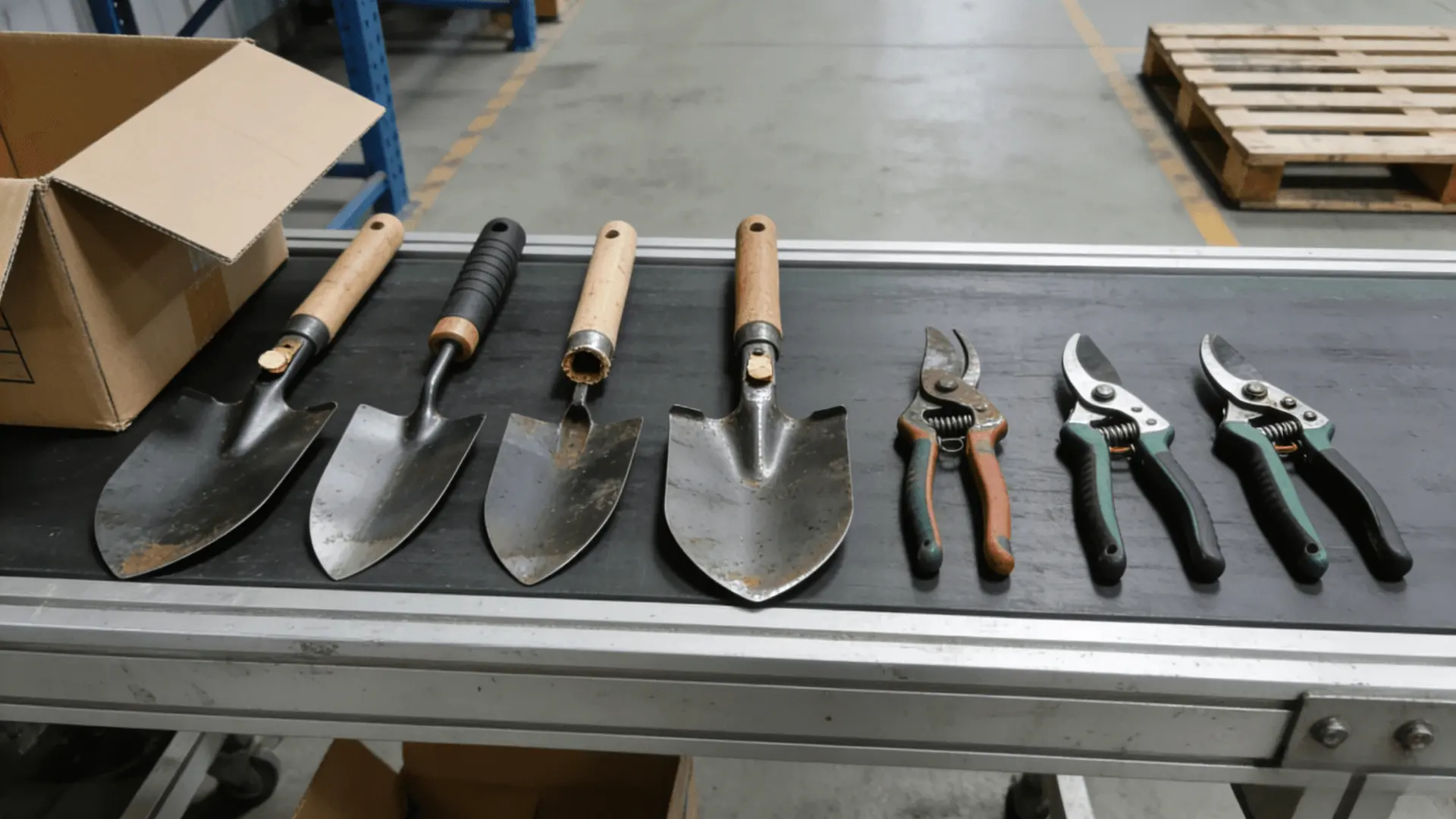
Why Bulk Garden Tool Orders Fail — and How We Help Buyers Prevent Costly Quality Issues in China