










Updated 2 months ago
Why Battery-Powered Tools Are Revolutionizing Spring Garden Maintenance Across Europe and America

ScarecrowGarden
💡About Scarecrow Garden Supplier Co., Ltd.
Scarecrow Garden Supplier Co., Ltd. is a China-based sourcing and wholesale partner specializing in biaogarden tools, landscaping equipment, and outdoor supplies for international wholesalers, distributors, contractors, and brands.
With hands-on experience rooted in real garden use scenarios, we focus on durable materials, functional design, and stable large-volume supply. Our product range covers pruning tools, watering systems, hand tools, outdoor hardware, and customized garden solutions to support both retail and professional landscaping markets.
Beyond products, we help our partners navigate supplier selection, quality control, compliance requirements, and long-term sourcing strategies in China. Through our blog, we share practical insights on product selection, material comparisons, industry trends, and cost-effective purchasing—helping global buyers build stronger, more competitive supply chains.
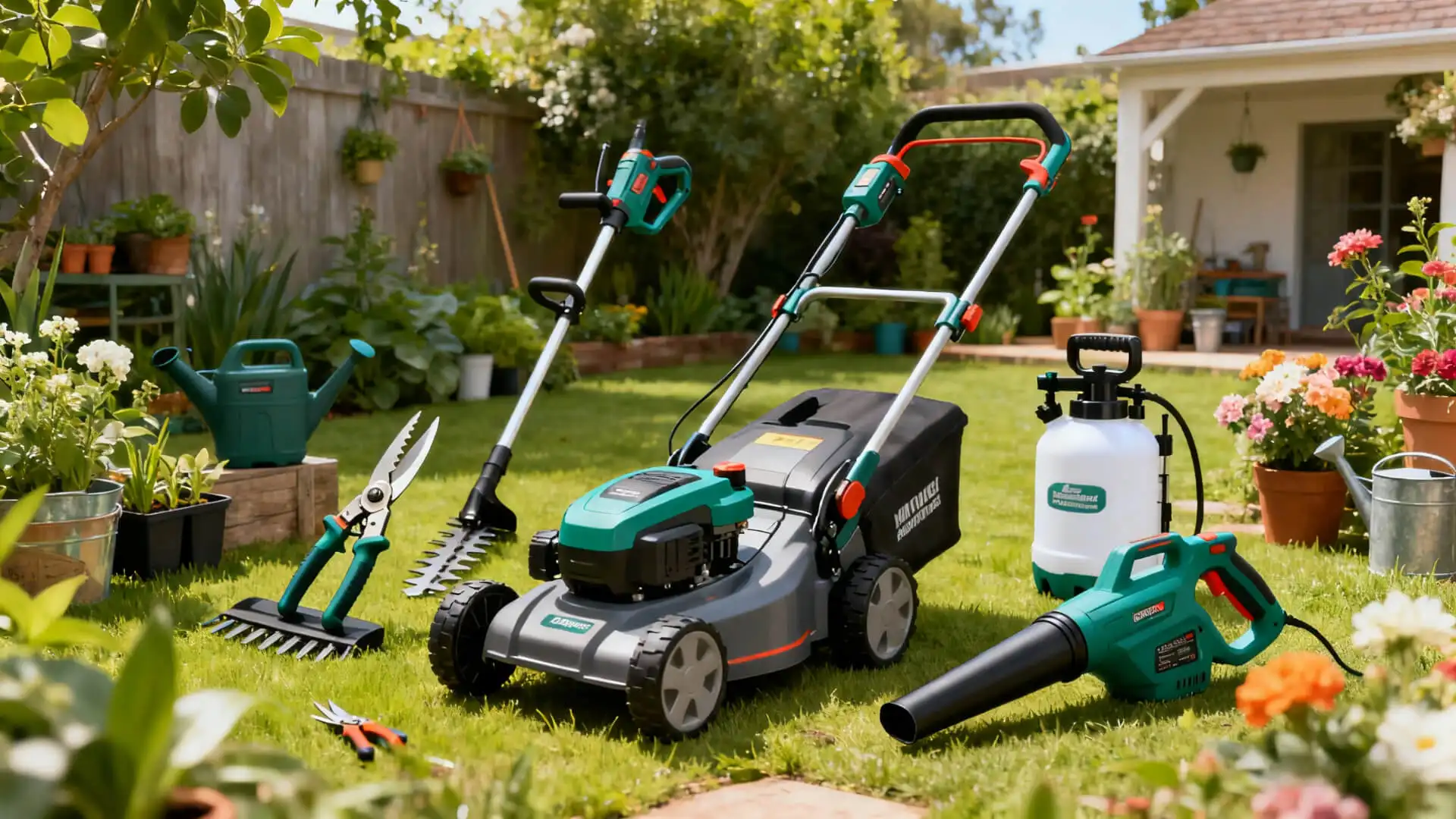
Why Battery-Powered Tools Are Revolutionizing Spring Garden Maintenance Across Europe and America
Introduction
The spring gardening season brings a quiet revolution to gardens across Europe and America, driven by the rise of battery-powered garden tools that redefine efficiency and sustainability. The garden tools powered by battery, once considered as the underpowered alternatives, now dominate the sales ranking list and transform how we maintain the outdoor spaces. The global cordless gardening equipment market reached $12.55 billion in 2024 and is projected to grow steadily, showing how battery-powered garden tools have become a mainstream trend. This shift is not only the progress of technology but alsothe fundamental reform.
From suburban owners in California to urban gardeners in Berlin, consumers are embracing cleaner, quieter and more convenient alternatives rather than traditional petrol-powered equipment. This comprehensive guide explores the driving forces behind this transformation of gardening culture, to help you understand the market trend, environmental legislation and practical considerations of choices for suitable battery-powered gardening tools.
Understanding the Market Shift
The dominance of battery-powered garden tools marks a clear shift for both residential and commercial users across Europe and North America.
The revolution of battery-powered garden tools is not only a trend but a market transformation backed by strong economic data. According to Data Bridge Market research, the global cordless gardening equipment market, valued at $12.55 billion in 2024, is estimated to reach $16.79 billion with a 3.70% compound annual growth rate by 2032. This growth reflects the fundamental shifts in consumer behavior and regulatory environment across both continents.
Key Market Statistics:
-$16.79B- Projected market size by 2032
-33.68% - North America market share
-66.9% - Residential segment dominance
-3.70% - Annual growth rate (CAGR)
North America leads this trend that it has occupied 33.68% global market share, driven by suburban gardening culture and strict environmental regulations. California’s Assembly Bill 1346, mandating zero-emission landscaping tools by 2024, reflects the regulatory pressure accelerating this transition. The California Air Resources Board reports that using a gas-powered leaf blower for one hour pollutes as much as driving a car for 1100 miles. These statistics resonate with green-thinking consumers.
Europe follows closely behind, with Germany’s “green homeland” initiative offerring 25% subsidies for battery-powered garden tools and the European Environment Agency implements urban noise reduction measures targeting gardening equipment. The residential market segment dominates with 66.9% of market share, as homeowners increasingly prioritize convenience, low maintenance, and environmental responsibility over raw power.
Environmental Regulations Driving Change
Environmental consciousness drives the battery-powered revolution, supported by convincing scientific evidence and regulatory momentum. The EPA reports that petrol-powered gardening tools emitted 30 million tons of carbon dioxide in 2020–equivalent to 7 average coal-fired power plants. These environmental effects and health concerns have sparked widespread regulatory action across both continents.
These changes push both homeowners and landscaping professionals to switch to eco-friendly garden tools, reducing emissions and noise in residential communities.
Critical Environmental Impact Statistics:
-30 million tons of carbon dioxide emissions from gas-powered gardening tools
-1100 miles of car driving pollution is equivalent to one hour of gas leaf blower use
-800 feet distance leaf blower noise can travel, affecting community health
-Petrol-powered gardening tools have been restricted or banned in 100+ cities in America.
In America, over 100 cities have implemented restrictions or bans on petrol-powered lawn equipment. California leads with comprehensive statewide prohibitions, while cities like Washington D.C. and Miami have totally banned the use of petrol-powered leaf blowers. The EU’s Outdoor Noise Directive(2000/14/EC) establishes strict noise limits for outdoor equipment, while member states implement additional incentives for eco-friendly alternatives.
It is equally persuasive in considerations of health. CDC research links noise pollution of petrol-powered equipment to high blood pressure and hearing impairment, as the noise of a leaf blower can travel about 100 miles. The electric alternatives operate at roughly half the noise level, making them community-friendly choices. These regulations are not merely bureaucratic–They reflect the increasing needs of people for a cleaner, quieter community where outdoor maintenance will not pollute air quality or serenity.
Battery Technology Advancements
Recent technological progress has eliminated the conventional performance gap between battery- and petrol-powered gardening tools. The innovation of lithium-ion batteries extends the operation time by 40% to previous generations, while brushless motor technology has been applied in more than 60% of premium electric tools, improving the efficiency and durability to the largest extent.
Leading manufacturers such as Makita (XGT series) and DeWalt (Flex Volt) have developed high-power systems that enable battery-powered garden tools to rival petrol ones in performance. Smart connectivity represents the next frontier, as the equipment supports the internet of things, providing remote control, auto dispatch and predictive maintenance alerts. Husqvarna’s AI-powered robotic lawn mowers exemplify this trend, featuring GPS-assisted navigation and adaptive cutting based on grassland conditions.
Technology Advancements Driving Adoption:
-40% longer runtime with the latest lithium-ion battery technology
-60% of premium tools now feature brushless motor technology
-500-1000 charge cycles are typical for quality lithium-ion batteries
- 3-5 years expected battery lifespan for residential use
-Smart connectivity enabling remote monitoring and automation
Battery management systems have evolved significantly, with fast-charging modules and replaceable battery packs reducing downtime. Most lithium-ion batteries now can provide 500-1000 charge cycles, amounting to typical residential use for 3-5 years. The temperature management system protects batteries when charging and operating, while compatibility across tools allows users to share batteries between different equipment, which decreases the total cost of investment.
Cultural Differences in Gardening Habits
European and American gardening cultures create different market dynamics, reflecting different housing models, environmental priorities and lifestyle preferences. The landscape in American suburbs features large lawns and vast outdoor spaces.
Traditionally, it prefers petrol-powered equipment because of its motor and long runtime. However, changing demographic structure and environmental awareness are reshaping these preferences.
European markets demonstrate faster adoption rates, driven by urbanization trends and smaller garden sizes. About 55% of urban families engage in garden activities, preferring lightweight, compact and suitable tools for limited spaces. Germany projects a 7.4% Compound annual rate of growth through 2035, supported by precision-engineered tools and environmental regulations. The UK’s attention to small gardens and patio landscaping drives demand for cordless trimmers and mini lawn mowers.
Whether it’s compact trimmers for urban gardens in Berlin or long-runtime mowers for American suburbs, cordless gardening equipment offers flexibility for diverse lifestyles.
Cultural Impact Statistics:
-55% -Urban families engaged in garden activities
-103% hours-Average American annual lawn maintenance time
-30%-Online sales share of garden equipment
-15%-20%-Sales increase above pre-pandemic levels
According to the Department of Labor, American trends show a similar transformation, with the average American spending 103 hours annually on lawn care. Rising fuel costs and maintenance demands make battery alternatives more appealing. The DIY culture, amplified during pandemic years, continues to influence the purchasing pattern, while the gardening equipment sales are maintaining 15%-20% above pre-pandemic levels. Online sales channels account for 30% of purchases now, making equipment more available than before.
Smart Buying Guide for Professionals
Choosing the right battery-powered garden tools depends on property size, usage frequency, and compatibility with other cordless systems.
Understand your concrete demands, property features, and use patterns before selecting suitable battery-powered gardening tools. Consider these key factors when making purchasing decisions:
Property Size and Task Requirements
For the estate with less than 1/3 acres, a 40V battery system usually provides enough motor and operating time. For a larger estate or thick vegetation may need an 80V system or multiple battery packs. Assess your primary tasks–light trimming requires different specifications than heavy brush cutting. Consider the seasonal variations in your gardening routine work, and choose tools that can deal with the period of peak demand.
Battery Cross-Platform Compatibility
Choose manufacturers offering compatible batteries. This way allows sharing batteries between tools, reducing the cost and simplifying maintenance. Leading brands now provide comprehensive tool ecosystems where single battery types support all equipment, ranging from trimmers and chainsaws. This strategy can not only be economic but also save the storage complexity, ensuring you of charged batteries available.
Runtime and Charging Considerations
Assess typical usage modes and choose batteries accordingly. Most residential users
benefit from 2-4 ampere-hour batteries providing 30-60min of continuous operation. Professional users should consider a quick charging system and high-capacity batteries. Please remember that the performance of the battery will degrade in extreme temperatures, influencing the winter and summer operation. Make plans for backup batteries during the intensive gardening seasons.
Buying Checklist:
-√ Evaluate property area and typical task requirements.
-√ Choose compatible cross-platform batteries to improve cost efficiency
-√ Consider runtime needs and charging infrastructure
-√ Assess the guarantee clause and service usability
-√ Check the seasonal performance specifications
-√ Compare the total cost of ownership, not just initial price
Maintenance and Longevity
Although the battery-powered tools need the least maintenance compared with petrol alternatives, proper storage and charging frequency extend battery life. Store battery in a temperature-controlled environment and avoid complete discharge cycles. Most of the premium lithium-ion batteries can retain 80% capacity after 500 charge cycles. Conduct regular cleaning in the dull season and store properly can ensure optimal performance and lifespan.
Conclusion: The Future of Garden Care
The revolution of battery-powered garden tools is not just about technological progress — it represents a fundamental shift toward sustainability and smarter maintenance for homes and professionals. With the enhancement of environmental regulations and improvement of battery technology, this trend will accelerate that making petrol-powered equipment gradually less popular in most residential appliances.
From the market prediction of 16.79 billion to restricted petrol-powered tools in more than 100 cities, it is evident: battery-powered equipment is not just the future–it’s the present reality of modern gardening. The combination of environmental privilege, technological equivalence and regulation support provides households and professional users with a compelling reason to make a change.
convenient garden care.
Whether you are maintaining a small urban garden or managing the vast suburban landscapes, battery-powered gardening tools offer considerable advantages that are worth investing. The question is no longer whether to switch, but how quickly you can join the thousands of gardeners who have enjoyed the benefits of cleaner, quieter and more convenient gardening maintenance.
Ready to join the Battery-Powered Revolution?
Explore our comprehensive collection of professional battery-powered garden tools designed for gardening needs in Europe and America.
Scarecrow Garden Supplier provides a complete range of wholesale garden supplies and battery-powered garden tools ready for distributors and retailers this spring.
[Browse our Battery-Powered Gardening Tools Collection][Get Expert Purchasing Advice]
Sources and References
1. Data Bridge Market Research - Global Cordless Garden Equipment Market Analysis
2. GM Insights - North America & Europe Leaf Blower Market Report
3. EPA - National Emissions from Lawn and Garden Equipment Study
4. Centers for Disease Control and Prevention - Noise Pollution Research
5. European Parliament - Outdoor Equipment Noise Regulations
6. Europe Battery-Powered Garden Tools Market Analysis
7. American Lawn Care Is Going Electric - Reasons to be Cheerful
8. Research and Markets - Garden Equipment Battery Market Forecast
This comprehensive guide provides insights based on evidence regarding to battery-powered gardening tools revolution to assist with decisions on gardening needs. All statistics and claims are backed by reliable sources and supported by current market research.
Written by
ScarecrowGarden
💡About Scarecrow Garden Supplier Co., Ltd.
Scarecrow Garden Supplier Co., Ltd. is a China-based sourcing and wholesale partner specializing in biaogarden tools, landscaping equipment, and outdoor supplies for international wholesalers, distributors, contractors, and brands.
With hands-on experience rooted in real garden use scenarios, we focus on durable materials, functional design, and stable large-volume supply. Our product range covers pruning tools, watering systems, hand tools, outdoor hardware, and customized garden solutions to support both retail and professional landscaping markets.
Beyond products, we help our partners navigate supplier selection, quality control, compliance requirements, and long-term sourcing strategies in China. Through our blog, we share practical insights on product selection, material comparisons, industry trends, and cost-effective purchasing—helping global buyers build stronger, more competitive supply chains.
Related Articles

How to Source from China Without Missing Your Peak Season

China Public Holidays 2026: A Buyer’s Guide to Avoid Supply Chain Disruptions Before Long Shutdowns
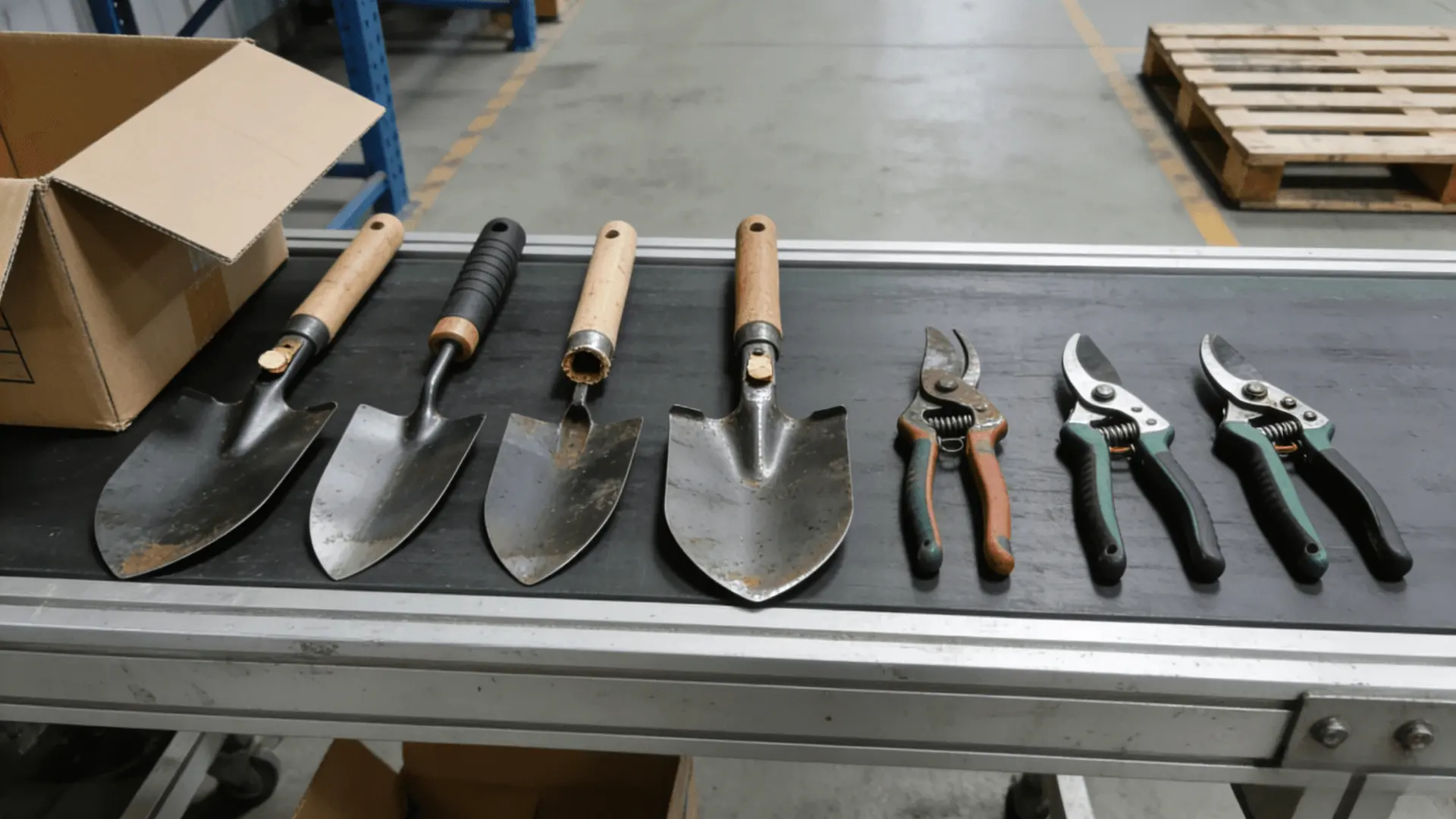
Why Bulk Garden Tool Orders Fail — and How We Help Buyers Prevent Costly Quality Issues in China